
Меню навігації

A портальний кран (також відомий як портальний портальний стріловий кран) є рейковим, поворотний стріловий кран, призначений виключно для портових і набережних операцій. Він має видатну базу порталу (чотирилапий портальний каркас) який пролягає над береговими залізничними коліями або проїздами вантажівок, дозволяючи наземним транспортним засобам безперешкодно проїжджати безпосередньо під краном.
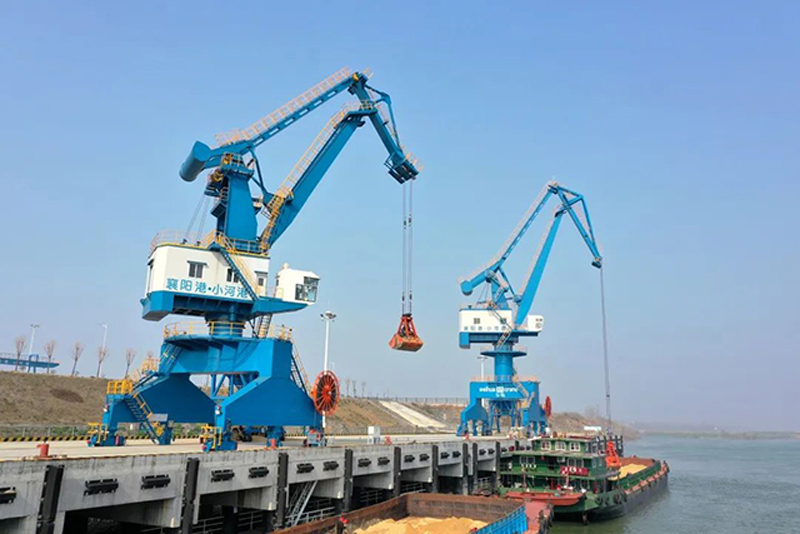
На відміну від козлових кранів (які пересуваються горизонтально прямою балкою) і контейнерні козлові крани, найбільш типовою особливістю портального крана є його механізм поворотної стріли. Його верхня підйомна конструкція може обертатися 360 градусів вільно, відповідність потребам завантаження та розвантаження пришвартованих суден. В основному використовується для підйому сипучих вантажів, загальні продукти, і невеликі контейнери між кораблями та береговими терміналами, і є найбільш класичним і широко використовуваним краном у внутрішніх і прибережних портах.
Повна конструкція портального крана ділиться на нижній портальний пересувний механізм і верхній поворотний підйомний механізм. Кожен основний компонент виконує незалежну та спільну роботу для забезпечення ефективної та безпечної обробки вантажів:
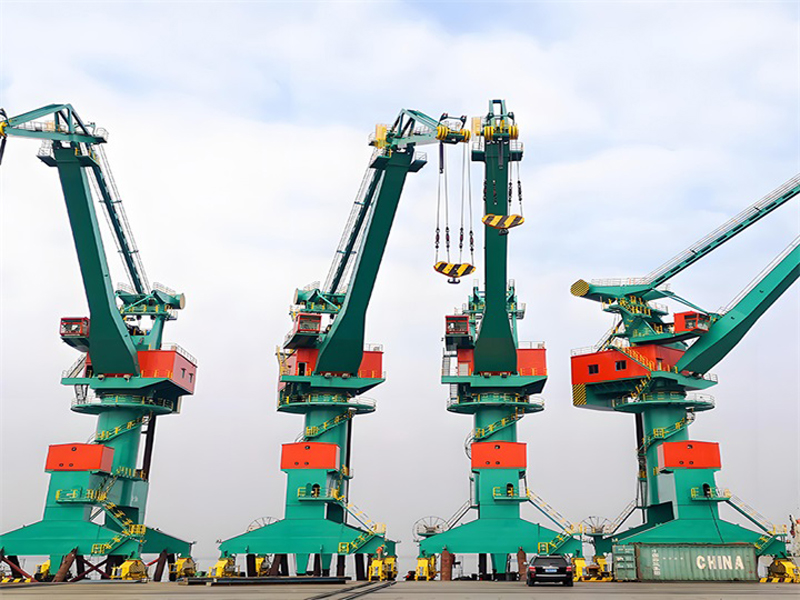
Портальні крани покладаються на три основні спільні дії для завершення завантаження та розвантаження вантажу на судні, з дуже зрілим і ефективним робочим процесом. перше, відповідно до місця стоянки судна та розподілу вантажу, кран рухається вздовж док-рейок, щоб зафіксувати оптимальне робоче положення. друге, Верхня платформа обертається, а стріла відкидається для регулювання робочого радіусу, наведення підйомного гака на цільовий вантаж на судні.
Нарешті, підйомна система стабільно піднімає вантаж, а поворотні та поворотні конструкції взаємодіють для перенесення вантажу з палуби корабля на береговий транспортний засіб, або завершити роботу зворотного завантаження. Поєднання з ходьбою, обертання, стрілка та підйом дозволяють портальному крану охоплювати віялоподібні та прямокутні робочі зони вздовж пристані, ідеально пристосовується до нерегулярного розподілу вантажів приштовхованих суден.
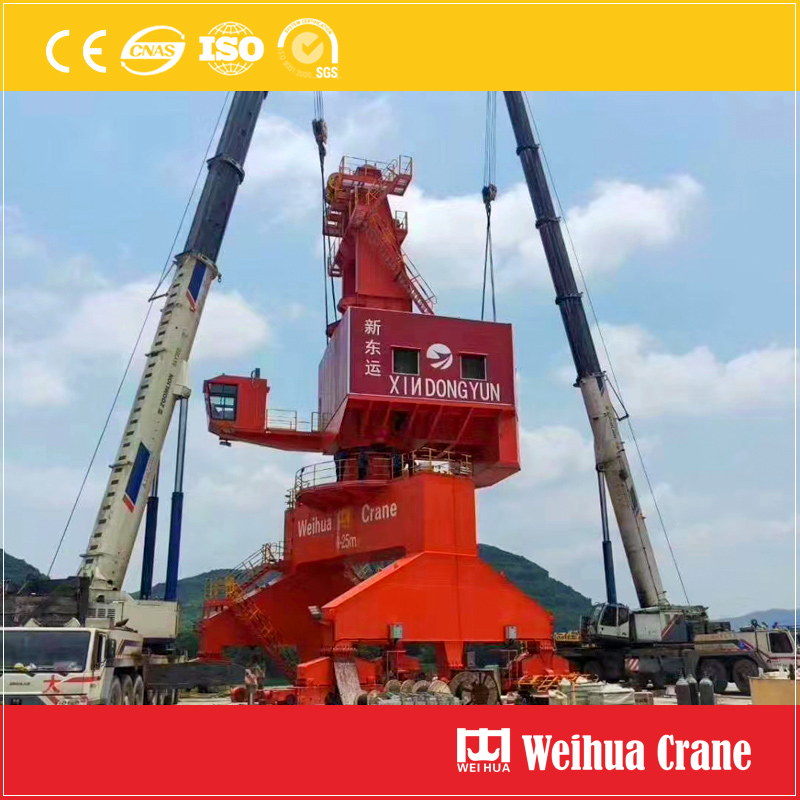
Портальні крани в основному класифікуються за конструктивною формою і робочими характеристиками, і основні типи на ринку такі:
1. Стаціонарні портальні крани
Цей тип крана закріплюється на фундаменті дока без функції переміщення. Він має просту структуру, низька вартість і стабільна продуктивність, і підходить для невеликих стаціонарних терміналів, одномісні вантажні причали та внутрішні річкові мілководні доки з фіксованими робочими діапазонами.
2. Мобільні рейкові портальні крани
Найбільш широко використовуваний стандартний портальний кран. Він може вільно переміщатися по док-рейках, з великим регульованим робочим діапазоном і сильною гнучкістю. Він підходить для середніх і великих портів з частою стоянкою суден і різноманітними типами вантажів, і може обробляти сипучі вантажі, бакалійних товарів і легких контейнерних товарів ефективно.
3. Односторонній & Двострілові портальні крани
Однострілові портальні крани легкі та гнучкі, підходить для обробки малотоннажних вантажів. Двосторонні моделі мають вищу ефективність підйому та більшу вантажопідйомність, який може реалізувати чергування роботи подвійних гаків, і в основному використовуються для великих прибережних портів з високою пропускною спроможністю.
Як спеціальне підйомне обладнання для порту, портальні крани дуже цільові в прикладних сценаріях, зосереджуючись на операціях з вантажно-розвантажувальних робіт на узбережжі:
Q1: У чому найбільша різниця між портальним і портальним краном?
A1: Це найбільш заплутаний пункт для більшості людей. Портальні крани — поворотні стрілові крани для портових судно-берегових перевантажень, з функціями обертання на 360° і повороту, спеціально для вантажів доків. Козлові крани — це прямобалкові крани лінійного переміщення, в основному використовується для фабричних цехів, штабелювання та обробка внутрішніх вантажів, без функції обертання великого діапазону. Принципи їх роботи, структури та сценарії застосування абсолютно різні.
Q2: Яка звичайна вантажопідйомність портального крана?
A2: Звичайні портальні крани загального портового призначення мають вантажопідйомність 5 тонн до 50 тонн, який відповідає потребам обробки більшості сипучих вантажів і бакалійних товарів. Індивідуальні великотоннажні моделі для важких портових операцій можуть досягати 80–100 тонн, використовується для надважкого обладнання та обробки великих сталевих компонентів.
Q3: Чи можна використовувати портальні крани всередині приміщень?
A3: Рідко. Портальні крани — це великогабаритне професійне портове обладнання відкритого типу з високим фюзеляжем, великий робочий діапазон обертання та вітростійка та корозійно-стійка конструкція, який повністю адаптований для пристані під відкритим небом. Внутрішні майстерні в основному використовують мостові крани та малі портальні крани замість портальних кранів.
Q4: Назвіть основні робочі обмеження портальних кранів?
A4: Портальні крани придатні лише для сценаріїв стоянки суден на березі моря і не можуть використовуватися для штабелювання на внутрішніх майданчиках великої площі. На додаток, їм потрібно припинити роботу в екстремальних погодних умовах, таких як сильний вітер вище рівня 6, сильний дощ і тайфуни, щоб запобігти нахилу обладнання та падінню вантажу.
Q5: Як регулярно обслуговувати портальний кран?
A5: Щоденне обслуговування включає перевірку натягу сталевих дротів, гнучкість механізмів повороту і стріли, і чутливість граничних пристроїв безпеки. Необхідна регулярна антикорозійна обробка сталевої конструкції, щоб протистояти ерозії морською водою. Професійний загальний огляд і змащення деталей трансмісії повинні проводитися щоразу 6 місяців для забезпечення стабільної роботи.
Q6: Чому портальні крани все ще широко використовуються, незважаючи на контейнерні крани?
A6: Контейнерні крани придатні лише для перевантаження стандартних контейнерів, тоді як портальні крани мають більшу універсальність. Вони можуть обробляти сипучі вантажі, бакалія, сталеві та спеціальні вантажі, до яких не можуть адаптуватися контейнерні крани, і є основним обладнанням для змішаних вантажних портів і внутрішніх річкових терміналів.
Як професійна і класична портова техніка, портальні крани займають незамінну позицію при набережній перевалці вантажів. Його унікальна поворотна конструкція шкатулки та робочий режим узгодження судна з берегом роблять його кращим обладнанням для перевезення насипних і генеральних вантажів у різних портах по всьому світу. Розуміння його структурних характеристик і сценаріїв застосування може допомогти нам краще розпізнати ефективну логіку роботи сучасних портових логістичних систем.
Ми цінуємо ваш відгук! Будь ласка, заповніть форму нижче, щоб ми могли налаштувати наші послуги до ваших конкретних потреб.


Натисніть кнопку, щоб отримати інформацію та цитати продукту на WhatsApp.
Отримайте цитату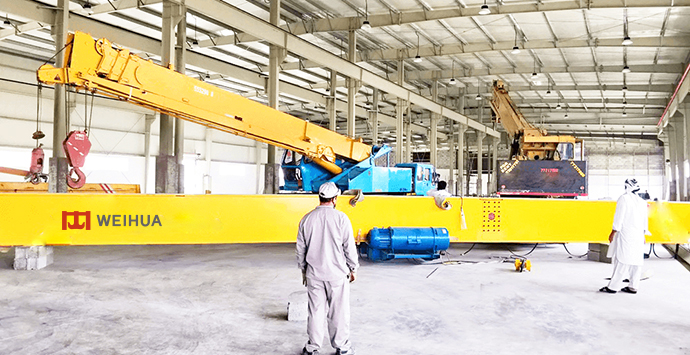
Останні коментарі