
Gezinme Menüsü

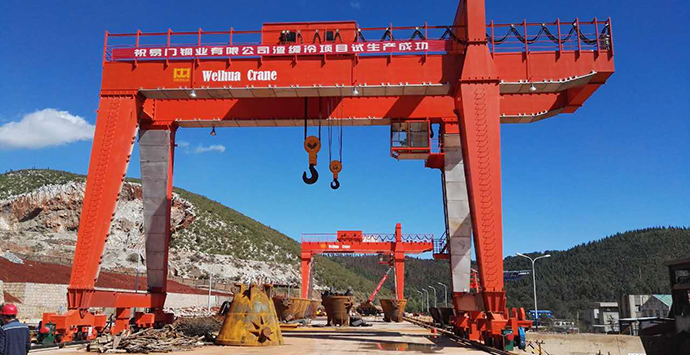
A portal vinç (liman portalı pergel vinci olarak da bilinir) ray montelidir, liman ve sahil operasyonları için özel olarak tasarlanmış tam daire dönen pergel vinç. Öne çıkan bir portal tabanına sahiptir (dört ayaklı portal çerçevesi) kıyı demiryolu raylarını veya kamyon geçişlerini kapsayan, Kara nakliye araçlarının herhangi bir engel olmaksızın doğrudan vincin altından geçmesine olanak sağlar.
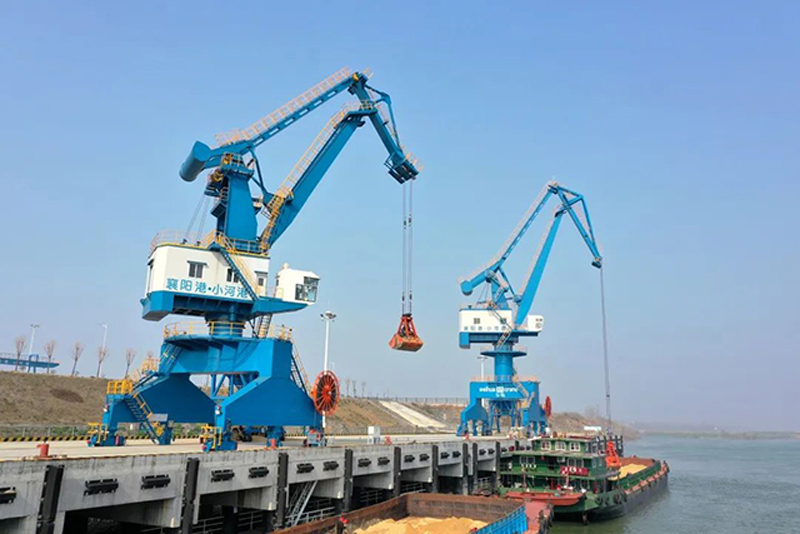
Portal vinçlerden farklı (düz bir kirişle yatay olarak hareket eden) ve konteyner portal vinçleri, Portal vincin en tipik özelliği dönel bom mekanizmasıdır. Üst kaldırma yapısı dönebilir 360 derece serbestçe, Limana yanaşmış gemilerin yükleme ve boşaltma ihtiyaçlarının karşılanması. Esas olarak dökme yükleri kaldırmak için kullanılır, genel bakkaliye, ve gemiler ile kıyı terminalleri arasındaki küçük konteynerler, iç ve kıyı limanlarında en klasik ve yaygın olarak kullanılan vinçtir..
Bir portal vincin tüm yapısı, bir alt portal hareket mekanizmasına ve bir üst döner kaldırma mekanizmasına bölünmüştür.. Her bir temel bileşen, verimli ve güvenli kargo elleçleme sağlamak için bağımsız ve işbirliğine dayalı bir çalışma üstlenir.:
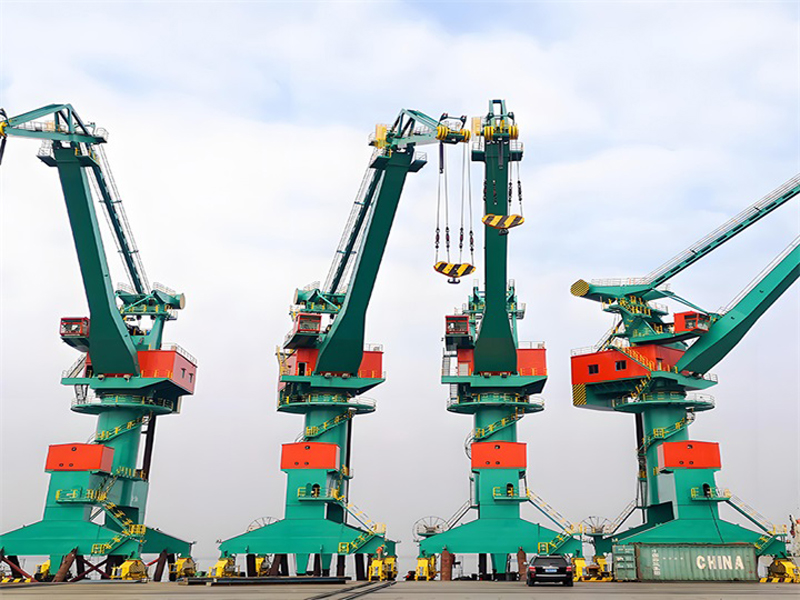
Portal vinçler, gemi-kıyı kargo yükleme ve boşaltma işlemini tamamlamak için üç temel işbirlikçi eyleme dayanır, son derece olgun ve verimli bir çalışma akışıyla. Birinci, Geminin yanaşma pozisyonuna ve yük dağılımına göre, vinç, optimum çalışma pozisyonunu kilitlemek için iskele rayları boyunca hareket eder. Saniye, üst platform döner ve çalışma yarıçapını ayarlamak için vinç kolu orsalanır, kaldırma kancasını gemideki hedef kargoya doğrultmak.
Nihayet, kaldırma sistemi kargoyu stabil bir şekilde kaldırır, ve döner ve orsa yapıları, yükün gemi güvertesinden kıyı nakliye aracına aktarılması için işbirliği yapar, veya ters yükleme işini tamamlayın. Yürüyüş kombinasyonu, dönme, Orsa ve kaldırma, portal vincin iskele boyunca yelpaze şeklindeki ve dikdörtgen çalışma alanlarını kapsamasını sağlar, Limana yanaşmış gemilerin düzensiz kargo dağıtımına mükemmel şekilde uyum sağlama.
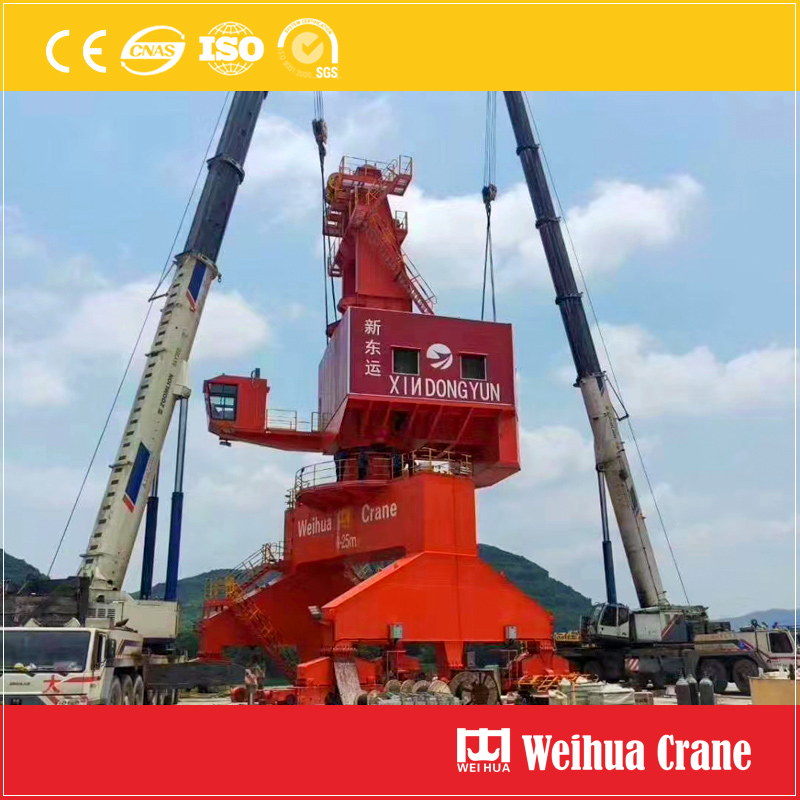
Portal vinçler temel olarak yapısal form ve çalışma performansına göre sınıflandırılır, ve piyasadaki ana akım türleri aşağıdaki gibidir:
1. Sabit Portal Vinçler
Bu tip vinç, hareket fonksiyonu olmadan iskele temeline sabitlenir. Basit bir yapıya sahiptir, düşük maliyet ve istikrarlı performans, ve küçük sabit terminaller için uygundur, sabit çalışma aralıklarına sahip tek kargo rıhtımları ve iç nehir sığ su rıhtımları.
2. Mobil Ray Montajlı Portal Vinçler
En yaygın kullanılan standart portal vinç. Dock rayları boyunca serbestçe hareket edebilir, geniş ayarlanabilir çalışma aralığı ve güçlü esnekliğe sahip. Sık gemi yanaşması ve çeşitli kargo türlerinin olduğu orta ve büyük limanlar için uygundur., ve toplu kargoları idare edebilir, bakkaliye ve hafif konteyner ürünlerini verimli bir şekilde.
3. Tek Pergel & Çift Pergelli Portal Vinçler
Tek pergel portal vinçler hafif ve esnektir, küçük tonajlı kargo elleçleme için uygun. Çift kollu modeller daha yüksek kaldırma verimliliğine ve daha büyük yük kapasitesine sahiptir, çift kancaların alternatif çalışmasını gerçekleştirebilen, ve çoğunlukla yüksek kargo hacmine sahip büyük kıyı limanlarında kullanılır.
Limana özel özel kaldırma ekipmanı olarak, Portal vinçler uygulama senaryolarında yüksek oranda hedeflenir, kıyıdaki gemi-kıyı elleçleme operasyonlarına odaklanmak:
Çeyrek: Portal vinç ile portal vinç arasındaki en büyük fark nedir??
A1: Çoğu insan için en kafa karıştırıcı nokta budur. Portal vinçler, limanda gemi-kıyı elleçlemesi için dönen pergel vinçlerdir, 360° dönme ve orsa fonksiyonlarıyla, özellikle liman gemisi kargoları için. Portal vinçler düz kirişli doğrusal hareketli vinçlerdir, esas olarak fabrika atölyeleri için kullanılır, tersanede istifleme ve iç kargo elleçleme, geniş aralıklı dönüş fonksiyonu olmadan. Çalışma prensipleri, yapıları ve uygulama senaryoları tamamen farklıdır.
Çubuk: Bir portal vincin olağan kaldırma tonajı nedir??
A2: Genel liman kullanımına yönelik geleneksel portal vinçlerin kaldırma kapasitesi 5 ton 50 ton, çoğu dökme yük ve bakkaliye ürününün elleçleme ihtiyaçlarını karşılar. Ağır liman operasyonları için özelleştirilmiş büyük tonajlı modeller 80-100 tona ulaşabilir, süper ağır ekipman ve büyük çelik bileşenlerin taşınması için kullanılır.
Çeyrek: Portal vinçler iç mekanlarda kullanılabilir mi??
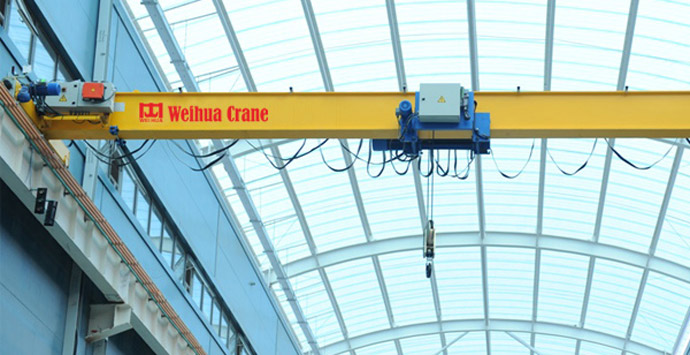
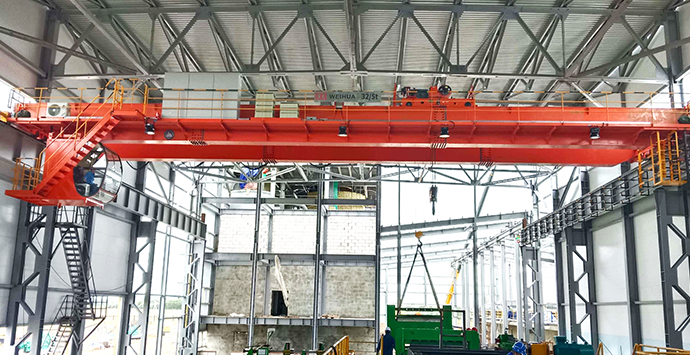
A3: Nadiren. Portal vinçler, uzun gövdeli, büyük ölçekli dış mekan profesyonel liman ekipmanlarıdır, geniş döner çalışma aralığı ve rüzgara ve korozyona dayanıklı yapısal tasarım, tamamen açık hava iskelesi ortamları için özel olarak tasarlanmıştır. Kapalı atölyelerde çoğunlukla portal vinçler yerine tavan vinçleri ve küçük portal vinçler kullanılır.
Çeyrek: Portal vinçlerin ana çalışma sınırlamaları nelerdir??
A4: Portal vinçler yalnızca sahildeki gemi yanaşma senaryoları için uygundur ve iç kısımdaki geniş alanlı istifleme için kullanılamaz.. Ek olarak, seviyenin üzerindeki kuvvetli rüzgarlar gibi aşırı hava koşullarında çalışmayı bırakmaları gerekiyor 6, ekipmanın devrilmesini ve kargonun düşme kazalarını önlemek için şiddetli yağmur ve tayfunlar.
Q5: Bir portal vincinin bakımı düzenli olarak nasıl yapılır??
A5: Günlük bakım, çelik tellerin sıkılığının kontrol edilmesini içerir, dönme ve orsa mekanizmalarının esnekliği, ve emniyet limit cihazlarının hassasiyeti. Çelik yapının deniz suyu erozyonuna karşı dayanıklı olması için düzenli korozyon önleme işlemi gereklidir. Şanzıman parçalarının profesyonel genel muayenesi ve yağlanması her yıl yapılacaktır. 6 istikrarlı çalışmayı sağlamak için aylar.
S6: Konteyner vinçlerine rağmen neden portal vinçler hala yaygın olarak kullanılıyor??
A6: Konteyner vinçleri yalnızca standart konteyner elleçleme için uygundur, portal vinçler daha güçlü çok yönlülüğe sahipken. Toplu kargoları taşıyabilirler, bakkaliye, konteyner vinçlerinin uyum sağlayamayacağı çelik ve özel şekilli ürünler, ve karma kargo limanları ve iç nehir terminalleri için temel temel ekipmanlardır.
Profesyonel ve klasik bir liman makinesi olarak, Portal vinçler sahildeki kargo elleçlemede yeri doldurulamaz bir konuma sahiptir. Eşsiz döner orsa yapısı ve gemi-kıyı uyumlu çalışma modu, onu dünyanın çeşitli limanlarında dökme ve genel kargo taşımacılığında tercih edilen ekipman haline getiriyor. Yapısal özelliklerini ve uygulama senaryolarını anlamak, modern liman lojistik sistemlerinin verimli çalışma mantığını daha iyi tanımamıza yardımcı olabilir..
Geri bildiriminize değer veriyoruz! Hizmetlerimizi özel ihtiyaçlarınıza göre uyarlayabilmemiz için lütfen aşağıdaki formu doldurun.


Son Yorumlar