
เมนูนำทาง

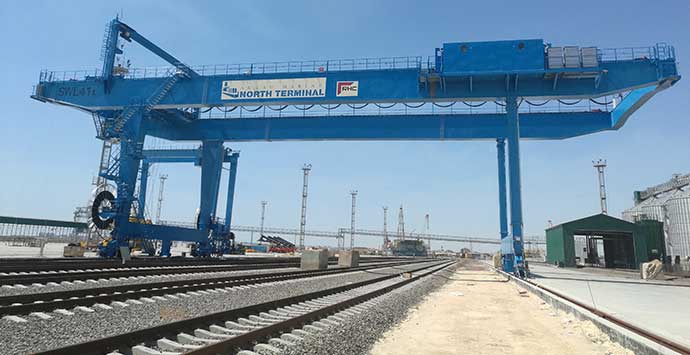
ในสภาพแวดล้อมทางอุตสาหกรรมที่ใช้งานหนัก—ตั้งแต่ลานขนส่งและสถานที่ก่อสร้างไปจนถึงโรงปฏิบัติงานการผลิต—นกกระเรียน ทำหน้าที่เป็นแกนหลักของการดำเนินการจัดการวัสดุ. เครื่องจักรที่แข็งแกร่งเหล่านี้พึ่งพาความเสถียรโดยสิ้นเชิง, ระบบรางที่แม่นยำเพื่อให้มีความสม่ำเสมอ, งานยกและการเดินทางที่มีประสิทธิภาพสูง. ในบรรดาขั้นตอนการบำรุงรักษาและการติดตั้งเครนทั้งหมด, การจัดตำแหน่งรางเครนขาสูงถือเป็นขั้นตอนที่สำคัญที่สุดแต่มักถูกมองข้ามบ่อยครั้ง. การจัดตำแหน่งรางที่แม่นยำไม่ได้เป็นเพียงพิธีการทางเทคนิคเท่านั้น; เป็นรากฐานของความปลอดภัยในการปฏิบัติงาน, ความทนทานของอุปกรณ์, และการผลิตที่คุ้มค่า. ในบล็อกนี้, เราจะแจกแจงว่าทำไมการจัดแนวรางจึงมีความสำคัญ, ปัญหาแนวที่ไม่ตรงทั่วไป, ความคลาดเคลื่อนมาตรฐานอุตสาหกรรม, วิธีการสอบเทียบแบบมืออาชีพ, และเคล็ดลับการบำรุงรักษาที่นำไปปฏิบัติได้.
ผู้ประกอบการอุตสาหกรรมหลายรายดูถูกดูแคลนผลกระทบของการวางแนวรางรองที่ไม่ตรง, การมองข้ามการเบี่ยงเบนเล็กๆ น้อยๆ ถือว่าไม่เป็นอันตราย. อย่างไรก็ตาม, เครนขาสูงทำงานภายใต้สภาวะรับภาระหนักและมีการเคลื่อนที่เชิงเส้นอย่างต่อเนื่อง, ซึ่งแม้แต่ข้อผิดพลาดเล็กๆ น้อยๆ ของรางก็อาจบานปลายไปสู่ความเสี่ยงในการปฏิบัติงานที่รุนแรงและความสูญเสียทางเศรษฐกิจเมื่อเวลาผ่านไป. การวางแนวรางอย่างเหมาะสมให้ประโยชน์หลักสามประการสำหรับระบบเครนโครงสำหรับตั้งสิ่งของ:
รางที่ไม่ตรงเป็นสาเหตุหลักของการตกรางของเครนขาสูง, ล้อลื่นไถล, และความกระวนกระวายใจของโครงสร้างระหว่างการทำงาน. เมื่อรางไม่เรียบ, ไร้คู่แข่ง, หรือชดเชยที่ข้อต่อ, ล้อเคลื่อนที่ของเครนมีแรงกดด้านข้างและแนวตั้งไม่เท่ากัน, ทำให้เกิดการกระแทกอย่างกะทันหัน, การสั่นผิดปกติ, หรือแม้แต่การตกรางบางส่วน. ปัญหาเหล่านี้ก่อให้เกิดภัยคุกคามร้ายแรงต่อพนักงานในสถานที่, ความปลอดภัยของสินค้า, และความเสถียรในการปฏิบัติงานโดยรวมของไซต์งาน. การจัดตำแหน่งที่ได้มาตรฐานยังช่วยให้แน่ใจว่าเครนทำงานได้อย่างราบรื่นโดยไม่มีความล้มเหลวทางกลไกที่ไม่คาดคิดซึ่งเกิดจากความผิดปกติของราง.
การวางแนวรางที่ไม่ตรงอย่างต่อเนื่องจะสร้างแรงเสียดทานอย่างต่อเนื่องและความเค้นทางโครงสร้างบนส่วนประกอบสำคัญของเครน, รวมทั้งล้อเดินทางด้วย, ตลับลูกปืน, กระปุกเกียร์, และคานราง. การกระจายน้ำหนักที่ไม่สม่ำเสมอทำให้เกิดการสึกหรอของดอกยางล้อเร็วขึ้นและด้านเดียว, แบริ่งเกิดความเสียหายบ่อยครั้ง, และรอยแตกเมื่อยล้าบนพื้นผิวรางและโครงสร้างรองรับเครน. การจัดตำแหน่งที่แม่นยำช่วยกระจายแรงที่สมดุลไปยังชิ้นส่วนที่เคลื่อนไหวทั้งหมด, ลดการสึกหรอของส่วนประกอบได้อย่างมาก, ลดความถี่ในการเปลี่ยน, และยืดอายุการใช้งานโดยรวมของระบบเครนขาสูงและระบบราง.
เครนที่ทำงานบนรางที่ไม่ตรงแนวต้องใช้กำลังพิเศษเพื่อเอาชนะแรงเสียดทานและความต้านทานของโครงสร้าง, ส่งผลให้มีการใช้พลังงานมากขึ้น. นอกจากนี้, ความล้มเหลวทางกลไกบ่อยครั้งและการหยุดทำงานโดยไม่ได้วางแผนสำหรับการซ่อมแซมส่งผลให้กำหนดการผลิตหยุดชะงักอย่างรุนแรงและเพิ่มต้นทุนการบำรุงรักษา. การจัดตำแหน่งรางที่แม่นยำช่วยให้มั่นใจได้อย่างราบรื่น, การเดินทางด้วยเครนที่มั่นคง, ปรับปรุงประสิทธิภาพการยกและการเดินทาง, ลดการสูญเสียพลังงาน, และลดการหยุดทำงานของการบำรุงรักษาโดยไม่ได้วางแผนให้เหลือน้อยที่สุดเพื่อประหยัดต้นทุนในระยะยาว.
เพื่อดำเนินการสอบเทียบการจัดตำแหน่งอย่างมีประสิทธิภาพ, จำเป็นอย่างยิ่งที่จะต้องระบุปัญหาการวางแนวรางรถไฟโดยทั่วไปและสาเหตุที่แท้จริง. ความเบี่ยงเบนของรางส่วนใหญ่เกิดจากการติดตั้งที่ไม่เหมาะสม, การตั้งถิ่นฐานของมูลนิธิ, การสึกหรอในการใช้งานในระยะยาว, และการเปลี่ยนแปลงสิ่งแวดล้อม.
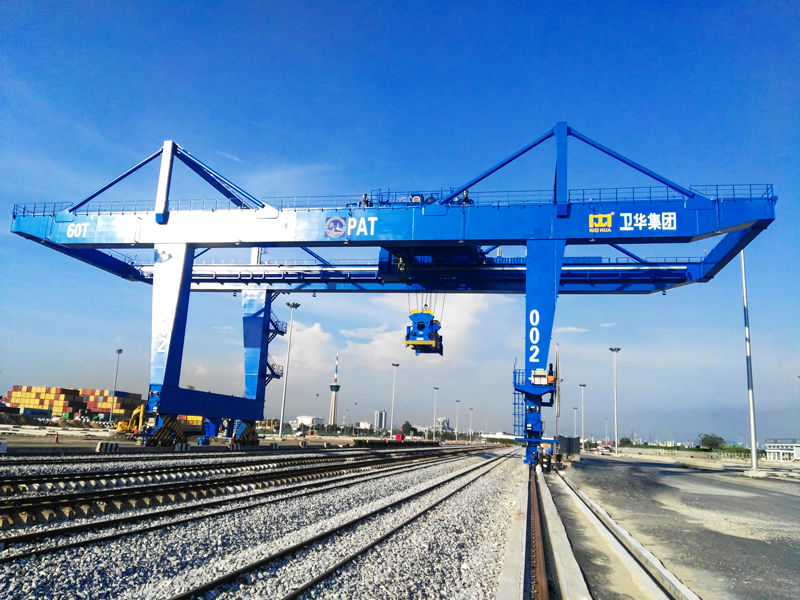
นี่หมายถึงการเบี่ยงเบนแนวนอนของเส้นกึ่งกลางรางจากเส้นฐานมาตรฐาน. ข้อผิดพลาดสะสมระหว่างการวางราง, การอัดขึ้นรูปด้านข้างในระยะยาวจากการทำงานของเครน, หรือการเสียรูปของฐานรากอาจทำให้รางงอหรือเยื้องได้. ข้อผิดพลาดด้านความตรงที่มากเกินไปทำให้เกิดการผูกมัดของล้อและการเสียดสีด้านข้างระหว่างการเคลื่อนที่ของเครน.
รางคู่ขนานทั้งสองไม่สามารถรักษาระยะห่างที่สม่ำเสมอได้. ระยะห่างของรางแปรผันตามส่วนต่างๆ ทำให้เกิดแรงดันล้อไม่สม่ำเสมอ, ส่งผลให้ล้อข้างเดียวสึกหรอและการทำงานของเครนไม่มั่นคง. ปัญหานี้เกิดขึ้นบ่อยในระบบรางเครนโครงสำหรับตั้งสิ่งของช่วงยาว เนื่องจากมีข้อผิดพลาดในการติดตั้งสะสม.
ความสูงแนวตั้งที่ไม่สม่ำเสมอระหว่างรางทั้งสองหรือความลาดเอียงตามยาวมากเกินไปของรางเดี่ยวจะทำให้เกิดความกระวนกระวายใจในแนวตั้งระหว่างการเคลื่อนตัวของเครน. การตั้งถิ่นฐานของมูลนิธิ, การส่องแสงที่ไม่สม่ำเสมอ, หรือการบีบอัดภาระในระยะยาวเป็นสาเหตุหลัก. การเบี่ยงเบนความสูงอย่างรุนแรงจะทำให้เครนเอียงเล็กน้อยระหว่างการทำงาน, นำความเสี่ยงด้านความปลอดภัยที่ซ่อนอยู่.
ออฟเซ็ต, ความแตกต่างของความสูง, หรือช่องว่างที่ไม่สมเหตุสมผลที่ข้อต่อรางเป็นปัญหาที่พบบ่อยในไซต์งาน. ช่องว่างรอยต่อที่ใหญ่เกินไปทำให้เกิดการกระแทกและเสียงรบกวนอย่างรุนแรงเมื่อล้อผ่าน; ช่องว่างที่เล็กเกินไปไม่สามารถสำรองพื้นที่สำหรับการขยายและการหดตัวเนื่องจากความร้อน, ส่งผลให้เกิดการอัดรีดและการเสียรูปของราง. การวางแนวร่วมที่ไม่ถูกต้องเป็นหนึ่งในสาเหตุหลักของความเสียหายจากการกระแทกของล้อ.
การจัดตำแหน่งรางแบบมืออาชีพต้องเป็นไปตามข้อกำหนดระหว่างประเทศและอุตสาหกรรม เช่น CMAA 70/74 และมาตรฐานการติดตั้งเครนในประเทศ, ด้วยช่วงพิกัดความเผื่อที่ชัดเจนสำหรับตัวบ่งชี้ต่างๆ เพื่อให้มั่นใจถึงการปฏิบัติตามข้อกำหนดในการปฏิบัติงานและความปลอดภัย:
การจัดตำแหน่งรางสมัยใหม่ละทิ้งวิธีการวัดแบบแมนนวลแบบดั้งเดิมที่มีข้อผิดพลาดขนาดใหญ่ และใช้เครื่องมือที่มีความแม่นยำสูงเพื่อการสอบเทียบเต็มรูปแบบ. ขั้นตอนการทำงานการจัดตำแหน่งที่เป็นมาตรฐานมีดังนี้:
อันดับแรก, ทำความสะอาดพื้นผิวรางและฐานรากเพื่อขจัดเศษซาก, สนิม, และอุปสรรคที่ส่งผลต่อการวัด. ตรวจสอบสภาพโดยรวมของระบบราง, รวมทั้งรอยแตกของรากฐานด้วย, การตั้งถิ่นฐาน, สลักเกลียวหลวม, และการเสียรูปของราง, เพื่อขจัดปัญหาโครงสร้างพื้นฐานก่อนการจัดแนว.
นำอุปกรณ์การวัดระดับมืออาชีพมาใช้ เช่น เครื่องติดตามแบบเลเซอร์, สถานีทั้งหมด, และระดับความแม่นยำสำหรับการวัดระบบรางแบบ 3 มิติเต็มรูปแบบ. วัดตัวบ่งชี้ที่สำคัญรวมถึงความตรงของราง, ความเท่าเทียม, ระดับความสูง, ช่วง, และการเบี่ยงเบนร่วมหลายจุดตามแนวราง, และบันทึกข้อมูลทั้งหมดเพื่อสร้างรายงานการวัดที่สมบูรณ์. เครื่องมือที่ใช้เลเซอร์ช่วยให้มั่นใจในความแม่นยำในการวัดระดับมิลลิเมตร, เกินกว่าการวัดด้วยไม้บรรทัดแบบแมนนวลแบบดั้งเดิมมาก.
ตามข้อมูลส่วนเบี่ยงเบนที่วัดได้, ดำเนินการปรับเปลี่ยนตามเป้าหมาย: สำหรับความสูงที่ไม่เท่ากันเล็กน้อย, ใช้แผ่นรองใต้รางเพื่อปรับระดับความสูง; สำหรับความผิดปกติของระบบรางในท้องถิ่น, ดำเนินการเจียรรางเพื่อให้ข้อบกพร่องของพื้นผิวเรียบและขจัดความแตกต่างของความสูงของข้อต่อ; สำหรับการเบี่ยงเบนความตรงและความขนาน, ปรับตำแหน่งรางอย่างละเอียดและแก้ไขข้อผิดพลาดสะสม. การปรับเปลี่ยนทั้งหมดเป็นไปตามหลักการของการวางจากปลายทั้งสองถึงตรงกลางเพื่อหลีกเลี่ยงข้อผิดพลาดสะสมรอง.
หลังจากปรับแนวแล้ว, ขันสลักเกลียวและตัวยึดรางทั้งหมดให้แน่นตามค่าแรงบิดมาตรฐานเพื่อป้องกันการเคลื่อนตัวของรางภายใต้ภาระ. ดำเนินการตรวจวัดตัวบ่งชี้การจัดตำแหน่งทั้งหมดใหม่ทั้งหมดเพื่อยืนยันว่าค่าเบี่ยงเบนทั้งหมดอยู่ภายในช่วงพิกัดความเผื่อที่อนุญาต, และติดตั้งจุดสิ้นสุดที่ปลายรางเพื่อป้องกันเครนตกราง.
การจัดตำแหน่งรางที่แม่นยำไม่ใช่โครงการที่เกิดขึ้นเพียงครั้งเดียว แต่ต้องมีการบำรุงรักษารายวันระยะยาวเพื่อรักษาเสถียรภาพ. แนวทางปฏิบัติในการบำรุงรักษาตามปกติที่สำคัญมีดังนี้:
การจัดแนวรางเครนขาสูงเป็นการรับประกันขั้นพื้นฐานสำหรับความปลอดภัย, มั่นคง, และการทำงานของอุปกรณ์เครนอย่างมีประสิทธิภาพ. ไม่เพียงแต่เป็นกระบวนการสำคัญในการติดตั้งและทดสอบการใช้งานเท่านั้น แต่ยังเป็นส่วนสำคัญของการบำรุงรักษาอุปกรณ์รายวันอีกด้วย. ความสูญเสียทางอุตสาหกรรมจำนวนมากเกิดจากการหยุดทำงานของเครน, ความเสียหายของส่วนประกอบ, และอุบัติเหตุด้านความปลอดภัยสามารถหลีกเลี่ยงได้ด้วยการจัดตำแหน่งที่แม่นยำที่ได้มาตรฐานและการบำรุงรักษารายวันตามหลักวิทยาศาสตร์.
โดยปฏิบัติตามมาตรฐานความอดทนของอุตสาหกรรมอย่างเคร่งครัด, ใช้เทคโนโลยีการวัดด้วยเลเซอร์ที่มีความแม่นยำสูง, และปฏิบัติตามขั้นตอนการตรวจสอบและบำรุงรักษาอย่างสม่ำเสมอ, องค์กรต่างๆสามารถเพิ่มอายุการใช้งานของระบบรางเครนโครงสำหรับตั้งสิ่งของได้, ลดความเสี่ยงในการปฏิบัติงานและค่าบำรุงรักษา, และบรรลุการดำเนินงานขนถ่ายวัสดุอุตสาหกรรมที่มั่นคงและมีประสิทธิภาพ.
เพื่อแก้ไขข้อสงสัยทั่วไปจากผู้ปฏิบัติงานนอกสถานที่, วิศวกรซ่อมบำรุง, และผู้จัดการโครงการ, เราได้รวบรวมคำถามที่พบบ่อยเกี่ยวกับการจัดแนวรางเครนโครงสำหรับตั้งสิ่งของพร้อมคำตอบแบบมืออาชีพและใช้งานได้จริงด้านล่างนี้.
ไตรมาสที่ 1: ควรตรวจสอบการจัดแนวรางเครนโครงสำหรับตั้งสิ่งของบ่อยแค่ไหน?
A1: ความถี่ในการตรวจสอบขึ้นอยู่กับความเข้มข้นในการทำงานและสภาพการทำงาน. สำหรับเครนขาสูงมาตรฐานที่ทำงานในสภาพแวดล้อมปกติ, แนะนำให้ตรวจสอบการวางแนวรางทั้งหมดทุกๆ 3-6 เดือน. สำหรับงานหนัก, อุปกรณ์ปฏิบัติการความถี่สูงหรือเครนที่ทำงานในสภาพแวดล้อมที่รุนแรง เช่น ท่าเรือ, สถานที่ก่อสร้างกลางแจ้งและโรงงานที่เต็มไปด้วยฝุ่น, ควรมีการตรวจสอบทุกๆ 1-3 เดือน. นอกจากนี้, จะต้องดำเนินการสอบเทียบการจัดตำแหน่งโดยสมบูรณ์ทันทีหลังจากการตั้งฐานราก, ผลกระทบต่อสภาพอากาศที่รุนแรง, ปิดเครื่องระยะยาวและรีสตาร์ท, หรือการชนกันของเครนโดยไม่ได้ตั้งใจ.
ไตรมาสที่ 2: อะไรคือสัญญาณทั่วไปของการจัดแนวรางเครนโครงสำหรับตั้งสิ่งของที่ไม่ดี?
A2: ผู้ปฏิบัติงานสามารถตัดสินการวางแนวรางรถไฟที่ไม่ตรงแนวได้อย่างรวดเร็วผ่านปรากฏการณ์ที่เห็นได้ชัดเจนในไซต์งาน. อาการที่พบบ่อย ได้แก่ การสั่นผิดปกติและความกระวนกระวายใจระหว่างการเดินทางของเครน, แรงเสียดทานดังหรือเสียงกระแทกเมื่อเครนเคลื่อนที่, การสึกหรออย่างรุนแรงของล้อเคลื่อนที่ของเครนข้างเดียว, ล้อลื่นไถลบ่อยครั้ง, และการเบี่ยงเบนที่ชัดเจนของเส้นทางการเดินทางของเครน. ในกรณีที่รุนแรง, เครนจะเอียงเล็กน้อยระหว่างการยก, และตัวยึดและแผ่นรองรางจะคลายตัวบ่อยครั้ง. เมื่อเกิดปัญหาเหล่านี้แล้ว, จำเป็นต้องมีการตรวจจับและปรับแนวรางรถไฟอย่างทันท่วงที.
ไตรมาสที่ 3: การวางแนวรางไมเนอร์เล็กน้อยสามารถปล่อยทิ้งไว้โดยไม่ได้ปรับหรือไม่?
A3: ไม่ควรละเลยการวางแนวที่ไม่ตรงเล็กน้อย. แม้ว่าการเบี่ยงเบนเล็กน้อยจะไม่ทำให้เกิดอุบัติเหตุด้านความปลอดภัยในทันที, เครนขาสูงรับน้ำหนักบรรทุกหนักเป็นรอบและมีการเคลื่อนที่แบบลูกสูบอย่างต่อเนื่องระหว่างการทำงาน. ข้อผิดพลาดของรางขนาดเล็กจะขยายความเค้นและแรงเสียดทานของโครงสร้างอย่างต่อเนื่อง, ค่อยๆ นำไปสู่การสึกหรอของส่วนประกอบเร็วขึ้น, การใช้พลังงานเพิ่มขึ้น, และการเสียรูปรางสะสม. การวางแนวที่ไม่ตรงแนวเล็กน้อยที่ไม่ได้แก้ไขในระยะยาวจะทำให้เกิดความเสี่ยงต่อการตกรางในที่สุด, ความเสียหายจากความล้าของโครงสร้าง, และการบำรุงรักษาการหยุดทำงานที่มีค่าใช้จ่ายสูง, ส่งผลให้เกิดความสูญเสียทางเศรษฐกิจมากยิ่งขึ้น.
ไตรมาสที่ 4: เครื่องมือวัดใดที่ใช้สำหรับการจัดแนวรางแบบมืออาชีพ?
A4: การจัดตำแหน่งรางเครนโครงสำหรับตั้งสิ่งของแบบมืออาชีพสมัยใหม่ ละทิ้งเครื่องมือวัดแบบแมนนวลแบบดั้งเดิม เช่น เทปเหล็กและเกจวัดระดับที่มีข้อผิดพลาดขนาดใหญ่. อุปกรณ์ตรวจวัดที่แม่นยำ รวมถึงเครื่องติดตามด้วยเลเซอร์, สถานีรวมอิเล็กทรอนิกส์, ระดับดิจิตอลที่มีความแม่นยำสูงและอุปกรณ์จัดตำแหน่งด้วยเลเซอร์ถูกนำมาใช้กันอย่างแพร่หลายในงานสอบเทียบอย่างเป็นทางการ. อุปกรณ์เหล่านี้สามารถวัดความตรงของรางแบบ 3 มิติได้อย่างแม่นยำในระดับมิลลิเมตร, ความเท่าเทียม, ความแตกต่างของระดับความสูงและการเบี่ยงเบนช่วง, รับรองว่าผลลัพธ์การจัดตำแหน่งตรงตามมาตรฐานอุตสาหกรรมสากล เช่น CMAA 70/74.
คำถามที่ 5: การยืดอายุการใช้งานหลังจากการจัดแนวรางมาตรฐานเป็นอย่างไร?
A5: การจัดแนวรางที่ได้มาตรฐานอย่างเข้มงวดและการบำรุงรักษาที่มั่นคงในระยะยาวสามารถยืดอายุการใช้งานของส่วนประกอบหลักของเครนและระบบรางได้อย่างมีประสิทธิภาพ. ในบริเวณที่มีการตรวจสอบและบำรุงรักษาอย่างสม่ำเสมอ, การจัดตำแหน่งรางที่เหมาะสมสามารถลดความเร็วการสึกหรอของล้อที่กำลังเดินทางได้, แบริ่งและกระปุกเกียร์ได้มากกว่า 40%, และยืดอายุการใช้งานโดยรวมของระบบรางเครนโครงสำหรับตั้งสิ่งของได้ 20%–30%. ขณะเดียวกัน, สามารถลดการหยุดทำงานของการบำรุงรักษาโดยไม่ได้วางแผนได้มากกว่า 35%, ปรับปรุงประสิทธิภาพการดำเนินงานโดยรวมของอุปกรณ์อย่างมาก.
คำถามที่ 6: การเปลี่ยนแปลงของอุณหภูมิส่งผลต่อการวางแนวรางเครนโครงสำหรับตั้งสิ่งของหรือไม่?
A6: ใช่, การเปลี่ยนแปลงของอุณหภูมิเป็นปัจจัยสำคัญที่ส่งผลต่อความแม่นยำในการจัดตำแหน่งราง. อุณหภูมิสูงหรือต่ำมากจะทำให้เกิดการขยายตัวทางความร้อนและการหดตัวเย็นของรางเหล็ก, ทำให้เกิดการเคลื่อนย้ายรางชั่วคราว, การเปลี่ยนแปลงช่องว่างของข้อต่อและการเบี่ยงเบนความตรงเล็กน้อย. ดังนั้น, การก่อสร้างการจัดแนวรางแบบมืออาชีพมักจะดำเนินการที่อุณหภูมิคงที่. ในการบำรุงประจำวัน, จำเป็นต้องสำรองช่องว่างการขยายตัวทางความร้อนมาตรฐานที่ข้อต่อรางและตรวจสอบสถานะการจัดตำแหน่งตามฤดูกาลเพื่อขจัดความเบี่ยงเบนที่เกิดจากการเปลี่ยนแปลงของอุณหภูมิ.
เราให้ความสำคัญกับความคิดเห็นของคุณ! กรุณากรอกแบบฟอร์มด้านล่างเพื่อให้เราสามารถปรับแต่งบริการของเราให้ตรงกับความต้องการเฉพาะของคุณ.


ความคิดเห็นล่าสุด