
Навигацијски мени

А портална дизалица (познат и као лучни портални кран) је монтиран на шину, кран са ротирајућим стрелом са пуним кругом ексклузивно дизајниран за операције у луци и на обали. Има истакнуту базу портала (четворокраки портални оквир) који се протеже преко приобалних железничких шина или пролаза камиона, омогућавајући да возила копненог транспорта несметано пролазе директно испод дизалице.
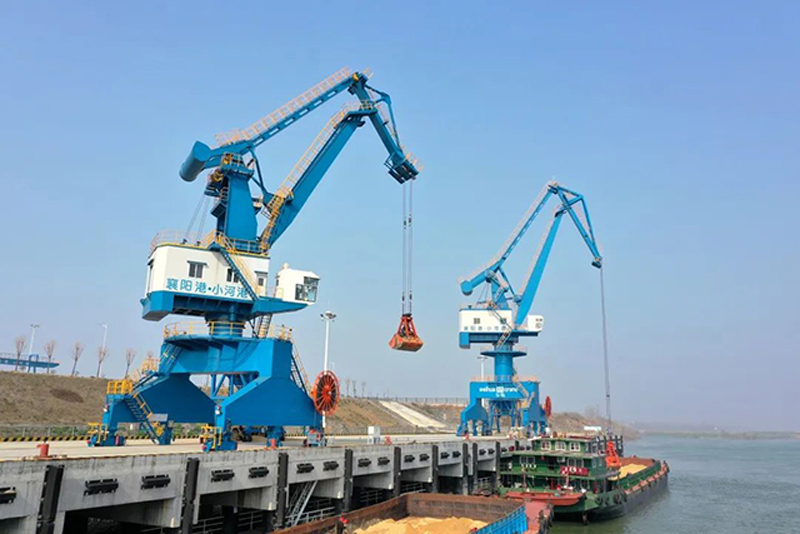
За разлику од порталних дизалица (који се крећу хоризонтално са правим носачем) и контејнерске порталне дизалице, најтипичнија карактеристика порталне дизалице је њен ротациони механизам. Његова горња конструкција за подизање може да се ротира 360 степени слободно, усклађивање потреба за утоваром и истоваром усидрених бродова. Углавном се користи за подизање расутих терета, опште намирнице, и мали контејнери између бродова и приобалних терминала, и најкласичнија је и најшире коришћена дизалица у унутрашњим и обалним лукама.
Комплетна структура порталне дизалице подељена је на доњи порталски механизам за кретање и горњи ротирајући механизам за подизање. Свака основна компонента предузима независан и заједнички рад како би осигурала ефикасно и безбедно руковање теретом:
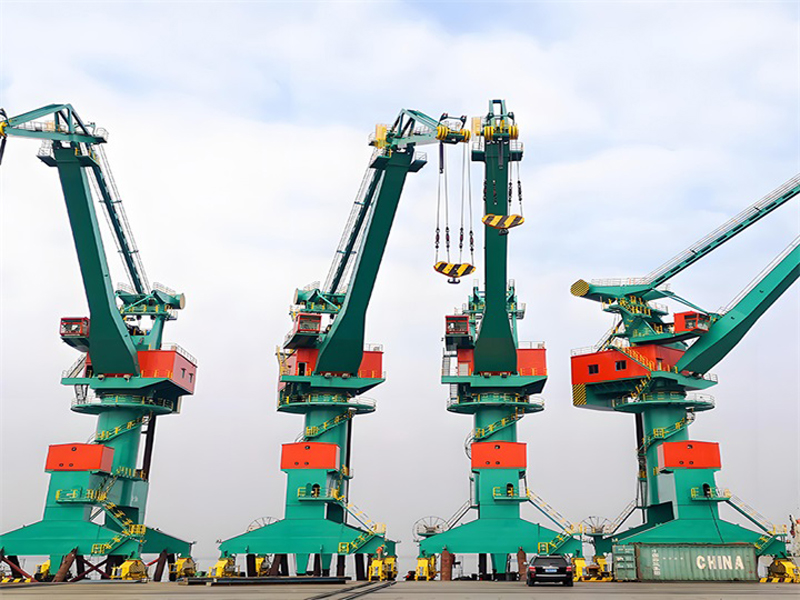
Портални кранови се ослањају на три основне акције сарадње да би завршили утовар и истовар терета са обале, са високо зрелим и ефикасним радним током. Прво, према привезном положају брода и распореду терета, дизалица се креће дуж шина за пристајање како би закључала оптимални радни положај. Друго, горња платформа се ротира, а крак се подеси за подешавање радног радијуса, усмеравајући куку за подизање на циљни терет на броду.
Коначно, систем дизалице стабилно подиже терет, а ротационе и луффинг структуре сарађују у преношењу терета са бродске палубе на копно транспортно возило, или комплетан рад на обрнутом утовару. Комбинација ходања, ротација, померање и подизање омогућава порталној дизалици да покрије лепезасте и правоугаоне радне површине дуж пристаништа, савршено прилагођавајући се неправилној дистрибуцији терета усидрених бродова.
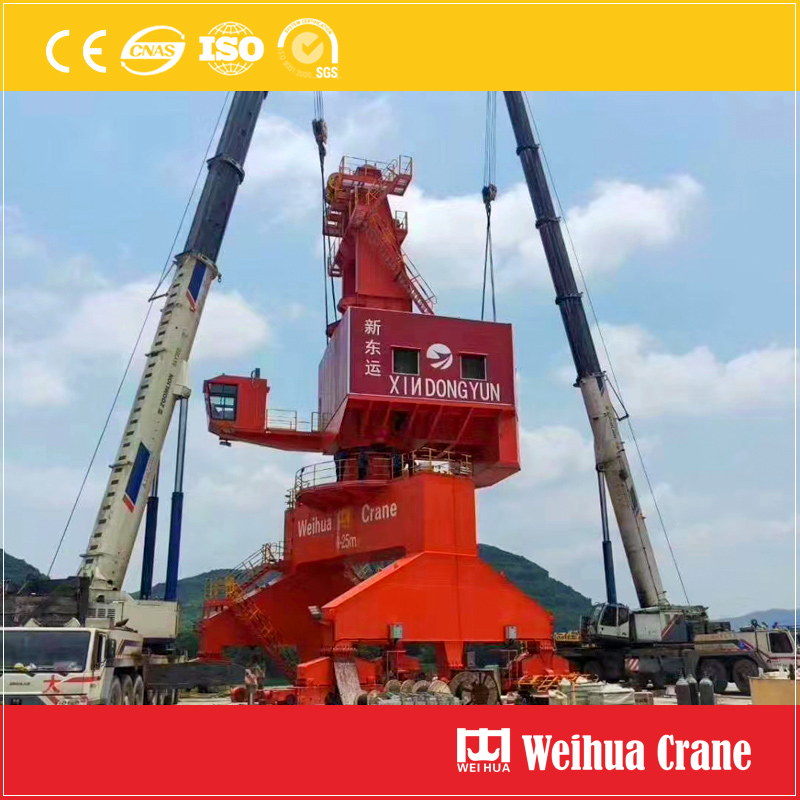
Портални кранови се углавном класификују по структурном облику и радним перформансама, а главни типови на тржишту су следећи:
1. Фиксни портални кранови
Овај тип дизалице је фиксиран на основу дока без функције кретања. Има једноставну структуру, ниске цене и стабилне перформансе, и погодан је за мале фиксне терминале, пристаништа за појединачне терете и пристаништа за плитку воду на унутрашњим рекама са фиксним радним опсегом.
2. Мобилни портални кранови на шину
Најраспрострањенија стандардна портална дизалица. Може се слободно кретати дуж доцк шина, са великим подесивим радним опсегом и јаком флексибилношћу. Погодан је за средње и велике луке са честим пристајањем бродова и различитим врстама терета, и може да рукује расутим теретом, намирнице и лаку контејнерску робу ефикасно.
3. Сингле-Јиб & Портални кранови са двоструким покретом
Портални кранови са једним покретом су лагани и флексибилни, погодан за руковање теретом мале тонаже. Модели са двоструким краком имају већу ефикасност подизања и већи носивост, који може да реализује наизменично деловање дуплих удица, и углавном се користе за велике приобалне луке са великим протоком терета.
Као посебна опрема за дизање специфичне за луку, порталне дизалице су високо циљане у сценаријима примене, фокусирајући се на операције руковања бродом и обалом:
К1: Која је највећа разлика између порталне дизалице и порталне дизалице?
А1: Ово је најзбуњујућа тачка за већину људи. Портални кранови су ротирајући кранови за руковање лучким бродом и обалом, са ротирајућим функцијама за 360° и луффинг функцијама, посебно за пристаниште терета. Порталне дизалице су праволинијске покретне дизалице, углавном се користи за фабричке радионице, слагање у дворишту и руковање теретом у унутрашњости, без функције ротације великог домета. Њихови принципи рада, структуре и сценарији примене су потпуно различити.
К2: Која је уобичајена тонажа подизања порталне дизалице?
А2: Конвенционалне порталне дизалице за општу употребу у луци имају капацитет дизања од 5 тона до 50 тона, који задовољава потребе руковања већином расутих терета и намирница. Прилагођени модели велике тонаже за тешке лучке операције могу достићи 80–100 тона, користи се за супер-тешку опрему и руковање великим челичним компонентама.
К3: Да ли се порталне дизалице могу користити у затвореном простору?
А3: Ретко. Портални кранови су велика професионална лучка опрема на отвореном са високим трупом, велики ротирајући радни опсег и конструкција отпорна на ветар и корозију, који је у потпуности прилагођен за пристаниште на отвореном. Затворене радионице углавном користе мостне дизалице и мале порталне дизалице уместо порталних дизалица.
К4: Која су главна ограничења рада порталних дизалица?
А4: Портални кранови су погодни само за сценарије пристајања бродова на обали и не могу се користити за слагање дворишта великих површина у унутрашњости. Поред тога, треба да престану да раде у екстремним временским условима као што су јаки ветрови изнад нивоа 6, јака киша и тајфуни да би се спречиле несреће приликом нагињања опреме и пада терета.
К5: Како редовно одржавати порталну дизалицу?
А5: Свакодневно одржавање укључује проверу непропусности челичних жица, флексибилност механизама за ротацију и луффинг, и осетљивост сигурносних граничних уређаја. Неопходан је редован антикорозивни третман да би челична конструкција била отпорна на ерозију морске воде. Професионални свеукупни преглед и подмазивање делова трансмисије вршити сваки 6 месеци како би се обезбедио стабилан рад.
К6: Зашто се порталне дизалице и даље широко користе упркос контејнерским дизалицама?
А6: Контејнерске дизалице су погодне само за стандардно руковање контејнерима, док порталне дизалице имају јачу свестраност. Они могу да рукују расутим теретом, намирнице, челика и робе специјалног облика којој контејнерске дизалице не могу да се прилагоде, и основна су опрема за мешовите теретне луке и унутрашње речне терминале.
Као професионална и класична лучка машина, порталне дизалице заузимају незаменљиву позицију у руковању теретом на обали. Његова јединствена ротирајућа структура луффинга и начин рада који одговара бродској обали чине га преферираном опремом за транспорт расутог и генералног терета у различитим лукама широм света. Разумевање његових структурних карактеристика и сценарија примене може нам помоћи да боље препознамо ефикасну логику рада савремених лучких логистичких система.
Ценимо ваше повратне информације! Молимо испуните доњи образац како бисмо прилагодили наше услуге на ваше специфичне потребе.


Кликните на дугме да бисте добили информације и цитати производа на ВхатсАпп-у.
Набавити цитат
Најновији коментари