
Navigačné menu

A portálový žeriav (tiež známy ako prístavný portálový žeriav) je namontovaný na koľajnici, celokruhový otočný otočný žeriav určený výhradne pre prístavné a nábrežné operácie. Vyznačuje sa prominentnou portálovou základňou (štvornohý portálový rám) ktorý sa rozprestiera cez pobrežné železničné trate alebo prejazdy nákladných áut, umožnenie prejazdu vozidiel pozemnej dopravy priamo popod žeriav bez prekážok.
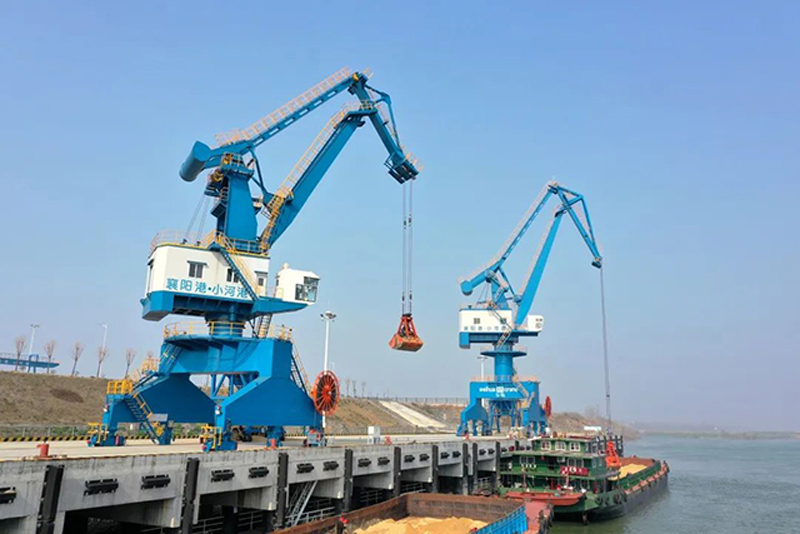
Na rozdiel od portálových žeriavov (ktoré sa pohybujú vodorovne s priamym nosníkom) a kontajnerové portálové žeriavy, Najtypickejším znakom portálového žeriavu je jeho rotačný výložníkový mechanizmus. Jeho horná zdvíhacia konštrukcia sa môže otáčať 360 stupňa voľne, zodpovedajúce potrebám nakladania a vykladania lodí v dokoch. Používa sa hlavne na zdvíhanie hromadného nákladu, všeobecné potraviny, a malé kontajnery medzi loďami a pobrežnými terminálmi, a je najklasickejším a najpoužívanejším žeriavom vo vnútrozemských a pobrežných prístavoch.
Kompletná konštrukcia portálového žeriavu je rozdelená na spodný portálový pojazdový mechanizmus a horný otočný zdvíhací mechanizmus. Každý hlavný komponent vykonáva nezávislú a spoločnú prácu, aby sa zabezpečila efektívna a bezpečná manipulácia s nákladom:
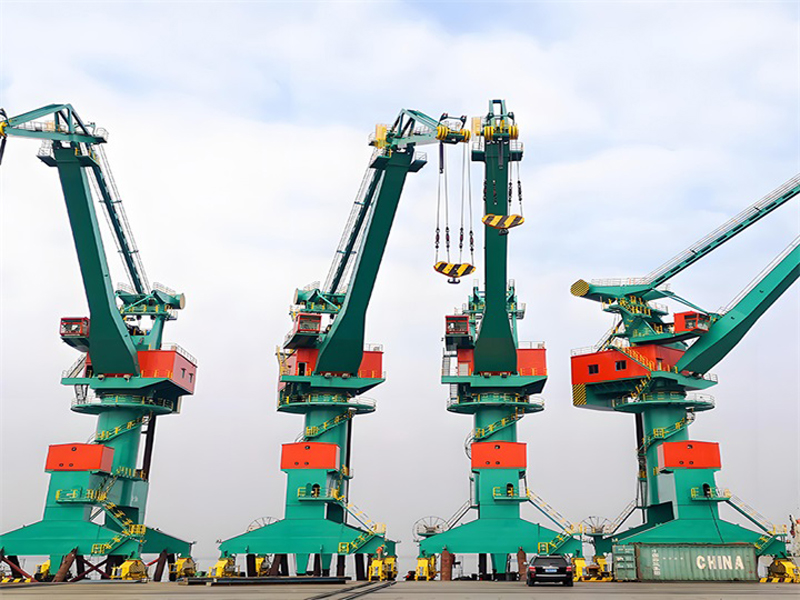
Portálové žeriavy sa spoliehajú na tri kľúčové spoločné akcie na dokončenie nakladania a vykladania nákladu na brehu lode, s vysoko zrelým a efektívnym pracovným tokom. Po prvé, podľa polohy kotvenia lode a rozloženia nákladu, žeriav sa pohybuje pozdĺž nakladacích koľajníc, aby zaistil optimálnu pracovnú polohu. Po druhé, horná plošina sa otáča a výložník sa vyostruje, aby sa nastavil pracovný polomer, zameranie zdvíhacieho háku na cieľový náklad na lodi.
Konečne, zdvíhací systém zdvíha náklad stabilne, a rotačné a vylamovacie konštrukcie spolupracujú pri premiestňovaní nákladu z paluby lode na pobrežné dopravné vozidlo, alebo dokončite prácu so spätným nakladaním. Kombinácia chôdze, rotácia, vyostrovanie a zdvíhanie umožňuje portálovému žeriavu pokryť vejárovité a pravouhlé pracovné plochy pozdĺž prístaviska, dokonale sa prispôsobuje nepravidelnému rozloženiu nákladu ukotvených lodí.
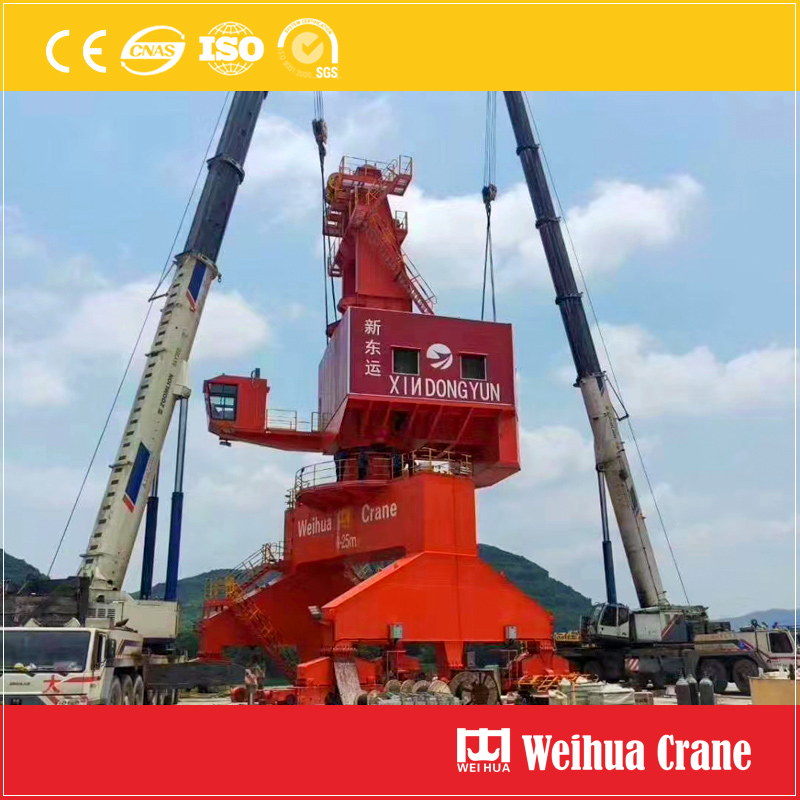
Portálové žeriavy sú klasifikované hlavne podľa konštrukčného tvaru a pracovného výkonu, a hlavné typy na trhu sú nasledovné:
1. Pevné portálové žeriavy
Tento typ žeriavu je upevnený na základni doku bez funkcie pojazdu. Má jednoduchú štruktúru, nízke náklady a stabilný výkon, a je vhodný pre malé pevné terminály, jednotlivé nákladné kotviská a vnútrozemské riečne doky s plytkou vodou s pevným pracovným rozsahom.
2. Mobilné železničné portálové žeriavy
Najpoužívanejší štandardný portálový žeriav. Môže sa voľne pohybovať pozdĺž nakladacích koľajníc, s veľkým nastaviteľným pracovným rozsahom a silnou flexibilitou. Je vhodný pre stredné a veľké prístavy s častým kotvením lodí a rôznymi typmi nákladu, a dokáže zvládnuť hromadný náklad, potraviny a ľahký kontajnerový tovar efektívne.
3. Single-Jib & Dvojramenné portálové žeriavy
Jednoramenné portálové žeriavy sú ľahké a flexibilné, vhodné na manipuláciu s malotonážnym nákladom. Modely s dvojitým výložníkom majú vyššiu účinnosť zdvíhania a väčšiu nosnosť, ktorý môže realizovať alternatívnu prevádzku dvojitých hákov, a väčšinou sa používajú pre veľké pobrežné prístavy s vysokou priepustnosťou nákladu.
Ako špeciálne zdvíhacie zariadenie špecifické pre prístav, portálové žeriavy sú vysoko cielené v aplikačných scenároch, so zameraním na manipulačné operácie na nábreží lode a pobrežia:
Q1: Aký je najväčší rozdiel medzi portálovým a portálovým žeriavom?
A1: Toto je pre väčšinu ľudí najviac mätúci bod. Portálové žeriavy sú otočné výložníkové žeriavy na manipuláciu s prístavnou loďou, s 360° rotáciou a funkciami vylamovania, špeciálne pre náklad v dokoch. Portálové žeriavy sú lineárne pohyblivé žeriavy s priamym nosníkom, používa sa hlavne pre továrenské dielne, stohovanie na dvore a vnútrozemská manipulácia s nákladom, bez funkcie rotácie veľkého rozsahu. Ich princípy fungovania, štruktúry a aplikačné scenáre sú úplne odlišné.
Q2: Aká je zvyčajná nosnosť portálového žeriavu?
A2: Bežné portálové žeriavy na všeobecné použitie v prístavoch majú nosnosť 5 ton do 50 ton, ktorý spĺňa potreby manipulácie s väčšinou hromadného nákladu a potravín. Prispôsobené veľkotonážne modely pre ťažké prístavné operácie môžu dosiahnuť 80–100 ton, používa sa pre super ťažké zariadenia a manipuláciu s veľkými oceľovými komponentmi.
Q3: Môžu byť portálové žeriavy použité v interiéri?
A3: Málokedy. Portálové žeriavy sú veľké vonkajšie profesionálne prístavné zariadenie s vysokým trupom, veľký rotačný pracovný rozsah a konštrukčné prevedenie odolné voči vetru a korózii, ktorý je úplne prispôsobený pre prostredie dokov pod holým nebom. Vnútorné dielne väčšinou používajú mostové žeriavy a malé portálové žeriavy namiesto portálových žeriavov.
Q4: Aké sú hlavné pracovné obmedzenia portálových žeriavov?
A4: Portálové žeriavy sú vhodné len pre scenáre kotvenia lodí na nábreží a nemožno ich použiť na stohovanie veľkých plôch vo vnútrozemí. Okrem toho, musia prestať pracovať v extrémnom počasí, ako je silný vietor nad úrovňou hladiny 6, silný dážď a tajfúny, aby sa predišlo nehodám s naklonením zariadenia a pádom nákladu.
Q5: Ako pravidelne udržiavať portálový žeriav?
A5: Denná údržba zahŕňa kontrolu tesnosti oceľových drôtov, flexibilita mechanizmov otáčania a vylamovania, a citlivosť bezpečnostných limitných zariadení. Aby oceľová konštrukcia odolávala erózii morskou vodou, vyžaduje sa pravidelná antikorózna úprava. Odborná celková kontrola a premazanie častí prevodovky sa musí vykonať vždy 6 mesiacov na zabezpečenie stabilnej prevádzky.
Q6: Prečo sú portálové žeriavy stále široko používané napriek kontajnerovým žeriavom?
A6: Kontajnerové žeriavy sú vhodné len na bežnú manipuláciu s kontajnermi, zatiaľ čo portálové žeriavy majú väčšiu univerzálnosť. Môžu manipulovať s hromadným nákladom, potraviny, oceľ a tovar špeciálneho tvaru, ktorému sa kontajnerové žeriavy nedokážu prispôsobiť, a sú základným základným vybavením pre zmiešané nákladné prístavy a vnútrozemské riečne terminály.
Ako profesionálny a klasický prístavný stroj, portálové žeriavy zaujímajú nezastupiteľné miesto pri manipulácii s nákladom na nábreží. Jeho unikátna rotačná lemovacia štruktúra a pracovný režim prispôsobenia lode-shore z neho robia preferované zariadenie na prepravu hromadného a bežného nákladu v rôznych prístavoch po celom svete.. Pochopenie jeho štrukturálnych charakteristík a aplikačných scenárov nám môže pomôcť lepšie rozpoznať efektívnu prevádzkovú logiku moderných prístavných logistických systémov.
Ceníme si vašu spätnú väzbu! Vyplňte prosím nižšie uvedený formulár, aby sme mohli naše služby prispôsobiť vašim špecifickým potrebám.


Kliknutím na tlačidlo získate informácie o produkte a cenové ponuky na WhatsApp.
ZÍSKAJTE CENU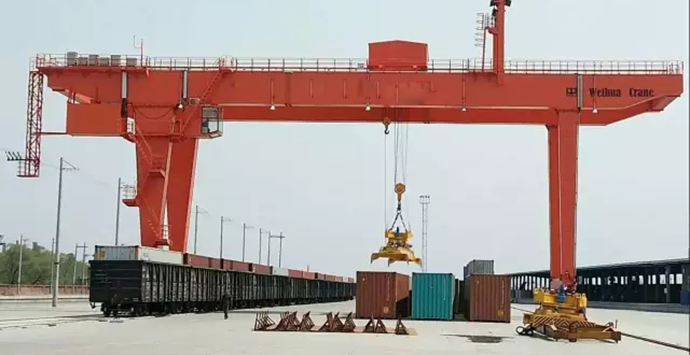
Najnovšie komentáre