
Navigačné menu

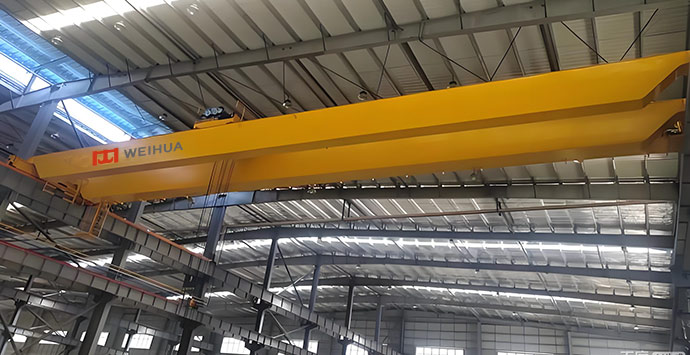
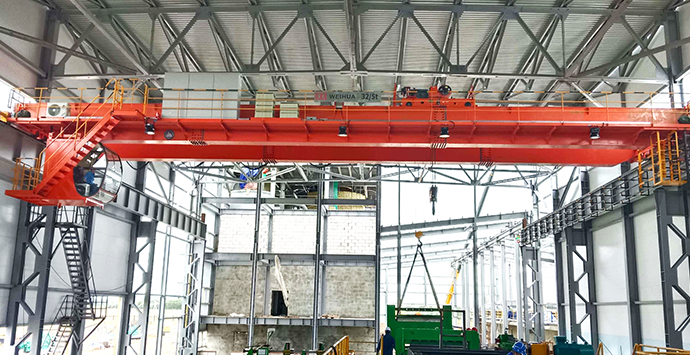
Mostové žeriavy sú nepostrádateľnými ťažnými koňmi vo výrobných závodoch, sklady, a staveniskách, na efektívne zdvíhanie a premiestňovanie ťažkých bremien. Avšak, výpadok napájania mostového žeriavu je bežný a frustrujúci problém, ktorý môže zastaviť operácie, čo vedie k nákladným prestojom, oneskorené projekty, a dokonca aj bezpečnostné riziká. Pochopenie základných príčin týchto výpadkov napájania a jasný proces riešenia problémov je nevyhnutné na minimalizáciu porúch a zaistenie bezpečnosti na pracovisku.. V tomto blogu, ponoríme sa do hlavných príčin porúch napájania mostových žeriavov a poskytneme podrobného sprievodcu, ako ich efektívne vyriešiť.
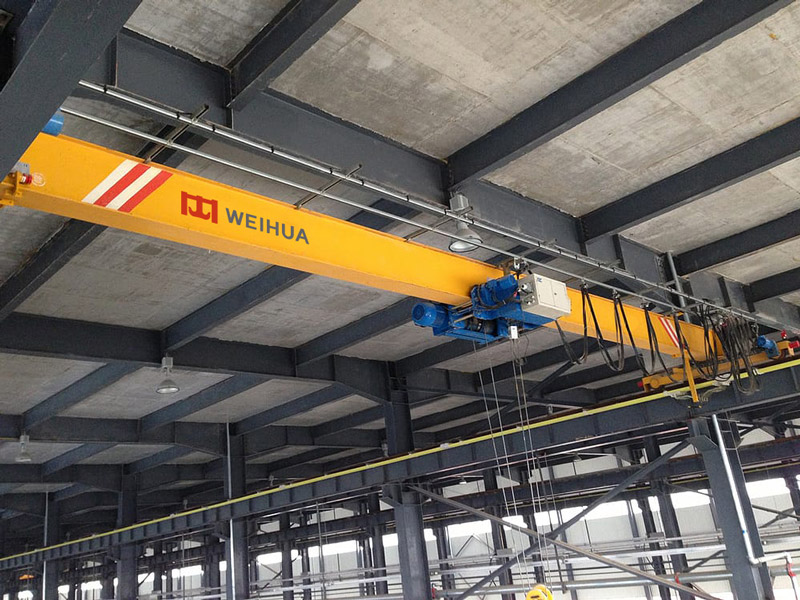
Na vyriešenie výpadku prúdu, v prvom rade je dôležité identifikovať jeho zdroj. Problémy s napájaním mostových žeriavov zvyčajne pramenia z troch hlavných oblastí: poruchy elektrického systému, environmentálnych faktorov, a prevádzkové chyby.
Elektrický systém je záchranným lanom mostového žeriavu, a akákoľvek porucha v ňom môže spôsobiť výpadok prúdu. Jedným z najčastejších vinníkov je poškodené napájacie káble alebo vodiče. Postupom času, káble, ktoré napájajú žeriav (ako sú visuté káble alebo vlečné káble) môže sa opotrebovať neustálym pohybom, trenie o konštrukciu žeriavu, alebo vystavenie ťažkým nákladom. Trhliny, rozstrapkanie, alebo prerušenia izolácie môžu spôsobiť skrat alebo úplnú stratu energie. Okrem toho, uvoľnené alebo skorodované elektrické spojenia – vrátane svoriek, konektory, a spojovacie skrinky — môžu narušiť tok elektriny. Často dochádza ku korózii v dôsledku prenikania vlhkosti, zatiaľ čo uvoľnené spojenia môžu byť výsledkom vibrácií počas prevádzky žeriavu.
Ďalším bežným elektrickým problémom je chybné ovládacie panely alebo komponenty. Na ovládacom paneli žeriavu sú umiestnené ističe, stykače, relé, a poistky, všetky sú náchylné na opotrebovanie. Vypadnutý istič (spôsobené preťažením alebo skratom) alebo spálená poistka môže okamžite prerušiť napájanie. Stýkače a relé, ktoré regulujú tok elektriny do motorov žeriavu, môže zlyhať v dôsledku prehriatia, hromadenie prachu, alebo mechanické opotrebenie.
Náročné pracovné prostredie môže výrazne ovplyvniť spoľahlivosť mostový žeriav energetických systémov. Extrémne teploty— či už horúčava alebo mrazivá zima — môže znehodnotiť elektrické komponenty. Vysoké teploty môžu spôsobiť roztavenie izolácie, zatiaľ čo nízke teploty môžu spôsobiť, že káble sú krehké a náchylné na praskanie. Vlhkosť a vlhkosť sú tiež veľkou hrozbou: keď voda presakuje do elektrických krytov, ovládacie panely, alebo káblové pripojenia, môže spôsobiť skrat, korózia, alebo hrdza na kovových častiach, čo vedie k výpadkom napájania.
Prach, trosky, a priemyselné znečisťujúce látky sú ďalším environmentálnym nebezpečenstvom. V továrňach alebo na staveniskách s vysokou prašnosťou, častice sa môžu hromadiť na doskách plošných spojov, stykače, a iné elektrické komponenty, zasahovať do ich funkčnosti. Pre vonkajšie žeriavy, nepriaznivé počasie ako je dážď, sneh, blesk, alebo silný vietor môže poškodiť elektrické vedenie, káblov, alebo elektrické kryty, čo má za následok náhle výpadky prúdu.
Ľudská chyba a zlé postupy údržby sú často prehliadanými príčinami zlyhania napájania mostového žeriavu. Preťaženie žeriavu prekročenie jeho menovitej kapacity je bežnou prevádzkovou chybou: nadmerná hmotnosť zaťažuje motory a elektrický systém žeriavu, čo vedie k prehriatiu, vypnuté ističe, alebo dokonca trvalé poškodenie komponentov. Nesprávna prevádzka, ako sú náhle štarty, zastaví, alebo zmeny smeru, môže tiež spôsobiť napäťové špičky, ktoré narušia napájanie.
Rovnako problematické je aj zanedbávanie pravidelnej údržby. Neschopnosť skontrolovať káble, spojenia, a elektrické komponenty na opotrebovanie, korózia, alebo poškodenie umožňuje, aby malé problémy prerástli do veľkých výpadkov napájania. Napríklad, ak sa rozstrapkaný kábel neodkladne vymení, nakoniec sa môže zlomiť, vypnutie napájania počas prevádzky. Podobne, vynechanie bežného čistenia ovládacích panelov a elektrických krytov umožňuje hromadenie prachu a nečistôt, zvýšenie rizika skratu.
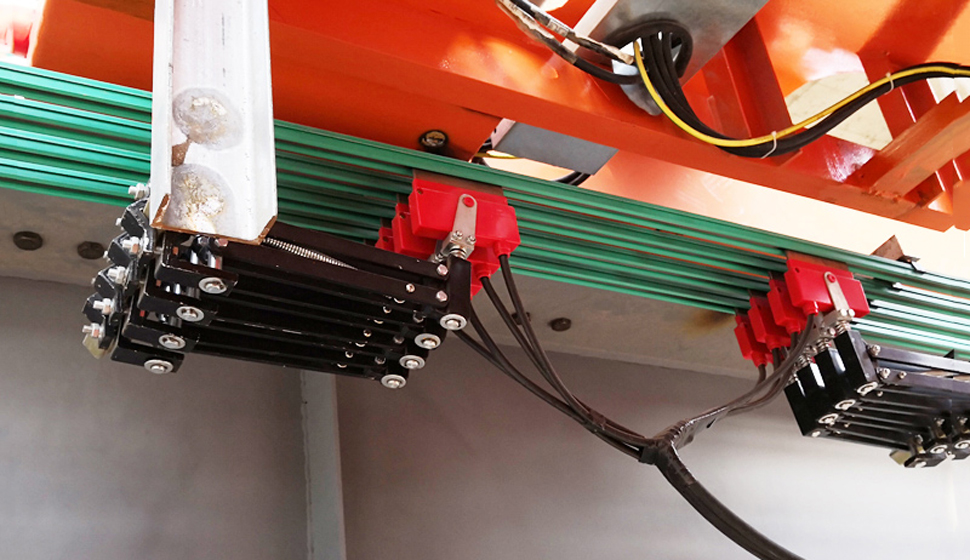
Keď mostový žeriav zaznamená výpadok prúdu, je dôležité konať rýchlo, ale bezpečne. Postupujte podľa tohto štruktúrovaného procesu riešenia problémov, aby ste identifikovali a vyriešili problém:
Pred pokusom o akékoľvek riešenie problémov, uprednostňovať bezpečnosť, aby sa predišlo nehodám alebo ďalším škodám. Okamžite zastavte všetky operácie so žeriavom a zaistite náklad (ak je to možné) aby nespadla. Vypnite hlavný vypínač žeriavu a uzamknite ho (pomocou postupu uzamknutia-označenia) aby sa zabránilo náhodnému opätovnému pripojeniu počas práce. Noste vhodné osobné ochranné prostriedky (OOP), ako sú izolované rukavice, ochranné okuliare, a protišmykové topánky, na ochranu pred úrazom elektrickým prúdom alebo padajúcimi úlomkami. Ak je žeriav vonku a poveternostné podmienky sú nebezpečné (napr., blesk, silný dážď), pred kontrolou počkajte, kým sa počasie umúdri.
Začnite so základnou vizuálnou kontrolou na identifikáciu zjavných problémov. Skontrolujte silové káble a vodiče (festónové káble, vlečné káble, a elektrické vedenie) pre známky poškodenia – rozstrapkanie, praskliny, prestávky, alebo obnažené drôty. Skontrolujte káblové pripojenia na žeriave, zdroj energie, a spojovacie skrinky na uvoľnenie, korózia, alebo horiace stopy (ktoré indikujú skrat). Preskúmajte ovládací panel pre vypnuté ističe, vypálené poistky, alebo viditeľné poškodenie, ako je roztavená izolácia alebo zvyšky dymu. Tiež, skontrolujte motory a elektrické kryty žeriavu, či nevykazujú známky prehriatia, vlhkosť, alebo hromadenie prachu.
Ak vizuálna kontrola neodhalí problém, overte, či je žeriav napájaný zo zdroja. Pomocou multimetra skontrolujte napätie na hlavnom vstupe napájania žeriavu – uistite sa, že zodpovedá menovitému napätiu žeriavu (napr., 220V, 380V). Ak nie je žiadne napätie, problém môže spočívať v externom napájaní, ako je vypnutý hlavný istič v budove, poškodené elektrické vedenie, alebo porucha v elektrickej sieti. Ak chcete vyriešiť problémy s externým napájaním, obráťte sa na elektrický tím zariadenia. Ak je napätie príliš nízke alebo kolíše, môže to znamenať problém so zdrojom napájania alebo uvoľnené spojenie v hlavnom vedení.
Ak zdroj napájania funguje správne, zamerajte sa na ovládací panel žeriavu. Resetujte všetky vypnuté ističe a vymeňte vypálené poistky za poistky so správnou hodnotou (nikdy nepoužívajte poistku vyššej hodnoty, pretože to môže spôsobiť prehriatie a nebezpečenstvo požiaru). Skontrolujte stýkače a relé na známky opotrebovania, ako sú jamkové kontakty alebo zlomené pružiny. Pomocou multimetra otestujte, či tieto komponenty správne prijímajú a vysielajú energiu – ak sa stýkač nezapne, možno bude potrebné vyčistiť, opravené, alebo vymenené. Tiež, vyčistite ovládací panel od prachu a nečistôt suchou handričkou alebo stlačeným vzduchom (pred čistením sa uistite, že je napájanie vypnuté).
Uvoľnené alebo poškodené káble sú často hlavnou príčinou výpadkov napájania. Utiahnite všetky uvoľnené spoje pomocou vhodných nástrojov (vyhýbajte sa nadmernému uťahovaniu, pretože to môže poškodiť svorky). Ak sú káble rozstrapkané, prasknutý, alebo zlomené, okamžite ich vymeňte za rovnaké káble špecifikácie (meradlo, typ izolácie) na zabezpečenie kompatibility a bezpečnosti. Pre visuté káble, skontrolujte systém vozíka, aby ste sa uistili, že káble nie sú zachytené alebo pricviknuté počas pohybu – v prípade potreby upravte systém podpory káblov.
Ak bol výpadok napájania spôsobený faktormi prostredia, prijať nápravné opatrenia, aby sa zabránilo opakovaniu. Napríklad, ak sa do ovládacieho panela dostala vlhkosť, dôkladne vysušte a nainštalujte vodotesné kryty alebo tesnenia. Ak sú problémom extrémne teploty, zvážte pridanie chladiacich alebo vykurovacích systémov pre elektrické komponenty. Pre prevádzkové chyby, preškoliť operátorov o správnom používaní žeriavu – klásť dôraz na predchádzanie preťaženiu, prudké pohyby, a podľa smerníc o nosnosti.
Po vyriešení problému, zapnite hlavný vypínač (odstrániť lockout-tagout) a vykonajte skúšobnú prevádzku. Prevádzkujte žeriav pri nízkej rýchlosti, testovanie všetkých funkcií (zdvíhanie, spúšťanie, pohyb doľava/doprava) aby sa zabezpečilo, že napájanie je konzistentné a nevyskytujú sa žiadne nezvyčajné zvuky alebo vibrácie. Počas skúšobnej prevádzky monitorujte elektrický systém, či sa neprehrieva – ak problémy pretrvávajú, zopakujte postup riešenia problémov alebo kontaktujte profesionálneho technika.
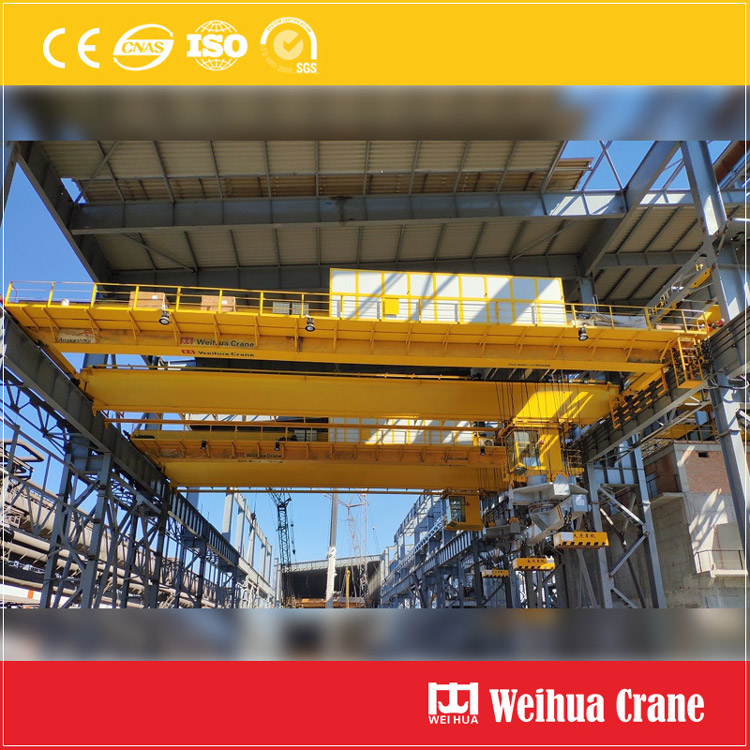
Porucha napájania mostového žeriavu môže byť rušivá, ale s jasným pochopením príčin a štruktúrovaným procesom riešenia problémov, môžete vyriešiť problémy rýchlo a bezpečne. Pravidelná údržba – vrátane kontroly káblov, spojenia, a elektrické komponenty, čistenie ovládacích panelov, a školenie operátorov – je v prvom rade kľúčom k predchádzaniu výpadkom napájania. Uprednostňovaním bezpečnosti, vykonávanie dôkladných kontrol, a promptné riešenie problémov, môžete minimalizovať prestoje, chráňte svoje zariadenie, a zabezpečiť bezproblémovú prevádzku. Ak si nie ste istí niektorým krokom v procese riešenia problémov, neváhajte a obráťte sa na kvalifikovaného elektrotechnika alebo odborníka na údržbu žeriavov.
Ceníme si vašu spätnú väzbu! Vyplňte prosím nižšie uvedený formulár, aby sme mohli naše služby prispôsobiť vašim špecifickým potrebám.


Kliknutím na tlačidlo získate informácie o produkte a cenové ponuky na WhatsApp.
ZÍSKAJTE CENU
Najnovšie komentáre