
Menu de navegação

Guindastes de pórtico são a espinha dorsal do manuseio de materiais pesados em canteiros de obras, estaleiros, fábricas, e terminais de carga. Para proprietários de empresas, gerentes de instalações, e operadores de equipamentos, compreender a vida útil de um guindaste de pórtico é fundamental para o planejamento orçamentário, conformidade de segurança, e eficiência operacional. Muitos profissionais da indústria se perguntam: quanto tempo pode realmente durar um guindaste de pórtico bem construído?
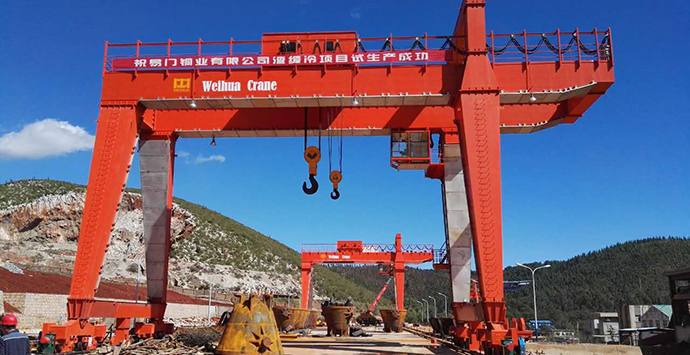
Resumidamente, a vida útil média de um guindaste de pórtico padrão varia de 20 para 30 anos com operação adequada e manutenção regular. Alguns bem conservados, unidades leves podem até exceder 30 anos, enquanto muito usado, guindastes negligenciados podem exigir substituição em tão pouco tempo 15 anos. Este artigo detalha os benchmarks de vida útil padrão, principais fatores de influência, melhores práticas de manutenção, e sinais claros de que seu guindaste precisa de uma atualização ou substituição.
A vida útil do guindaste de pórtico não é única. Padrões da indústria da Crane Manufacturers Association International (CMAA) e Sociedade Americana de Engenheiros Mecânicos (ASME B30.20) classificar a vida útil do guindaste com base na classe de serviço, frequência de uso, e intensidade de carga. Abaixo estão os benchmarks oficiais do setor para diferentes tipos operacionais:
Projetado para uso intermitente com luz, cargas esporádicas, esses guindastes são comumente encontrados em pequenas oficinas, instalações de armazenamento, e locais industriais de baixo tráfego. Com operação diária mínima e baixo estresse de fadiga, sua expectativa de vida média atinge 25–30+ anos. A maioria dos componentes estruturais de guindastes para serviços leves tem uma vida útil de até 30 anos em condições normais de trabalho.
Ideal para fabricação geral e tarefas moderadas de construção, esses guindastes operam diariamente com cargas pesadas regulares, mas não contínuas. Eles constituem o tipo de guindaste de pórtico mais comum. Com manutenção de rotina, eles mantêm uma vida útil estável de 20 a 25 anos.
Classificado como serviço CMAA D e E, esses guindastes trabalham sem parar nos portos, projetos de construção em grande escala, e fábricas industriais pesadas, manuseando cargas máximas repetidamente. Alto estresse contínuo e desgaste por fadiga encurtam sua vida útil para 15 a 20 anos. Mesmo guindastes para serviços pesados estruturalmente sólidos perdem a maior parte de sua vida útil após 25 anos de serviço pesado, com riscos ocultos em conexões soldadas que as inspeções visuais não conseguem detectar.
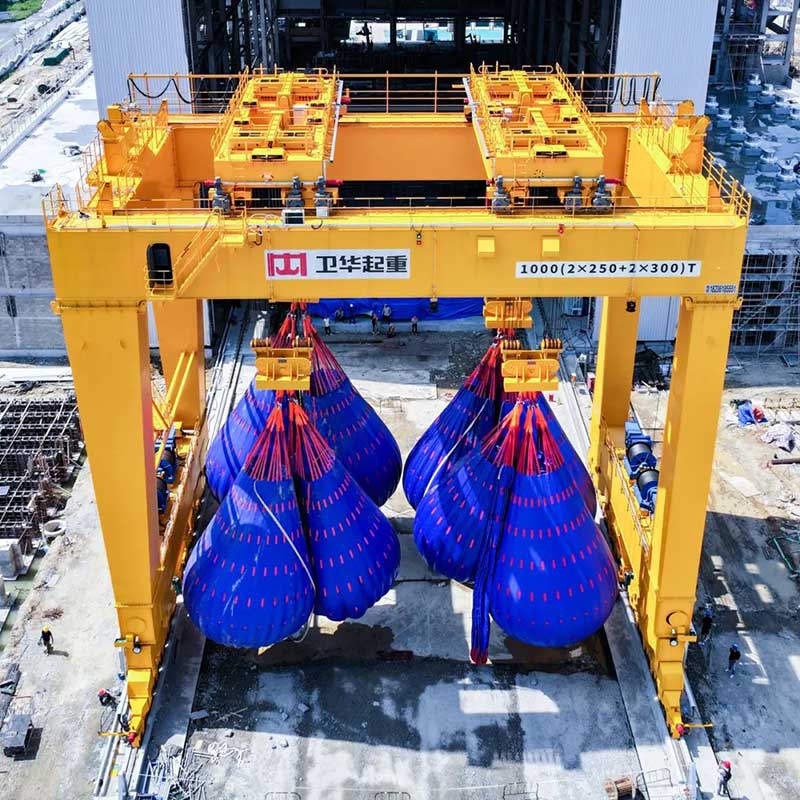
A vida útil teórica de um guindaste reflete apenas as especificações de fábrica. A vida útil real depende muito das condições operacionais e do gerenciamento do mundo real. Os quatro fatores mais impactantes são os seguintes:
1. Frequência operacional e uso de carga
Sobrecarga e operação frequente em picos de carga são as maiores causas de morte de guindastes de pórtico. Cada guindaste é projetado para um número específico de ciclos de trabalho (a maioria dos componentes mecânicos são projetados para 100,000 ciclos de trabalho padrão). Sobrecargas frequentes, partidas e paradas repentinas, e operações de elevação irregulares aceleram a fadiga do metal, desgaste em guinchos, rodas, e engrenagens, encurtando drasticamente a vida útil.
2. Condições Ambientais
Os pórticos externos enfrentam desafios mais difíceis do que as unidades internas. Exposição à chuva, neve, radiação ultravioleta, alta umidade, spray de sal (em zonas costeiras), e gases corrosivos industriais causam ferrugem, descascamento de tinta, e corrosão estrutural. A corrosão enfraquece estruturas de aço e sistemas elétricos, levando ao envelhecimento prematuro. Guindastes internos em seco, ambientes limpos alcançam consistentemente uma vida útil mais longa.
3. Conformidade de Manutenção e Inspeção
A manutenção profissional regular é a maneira mais eficaz de prolongar a vida útil do guindaste. Os padrões ASME e OSHA exigem três níveis de inspeções: verificações pré-uso do operador antes de cada turno, inspeções periódicas mensais/trimestrais, e inspeções profissionais abrangentes anuais. Guindastes com registros completos de manutenção e pequenos reparos oportunos podem ganhar de 5 a 10 anos extras de vida útil, enquanto unidades negligenciadas enfrentam rápida falha de componentes e degradação estrutural.
4. Qualidade de fabricação e padrões de design
Guindastes construídos com aço de alta qualidade, componentes projetados com precisão, e em conformidade com os padrões internacionais CMAA e ASME têm durabilidade muito melhor. Baixa qualidade, Guindastes não padronizados com soldagem estrutural defeituosa e peças de qualidade inferior geralmente desenvolvem falhas persistentes e não conseguem atingir o limite médio de vida útil.
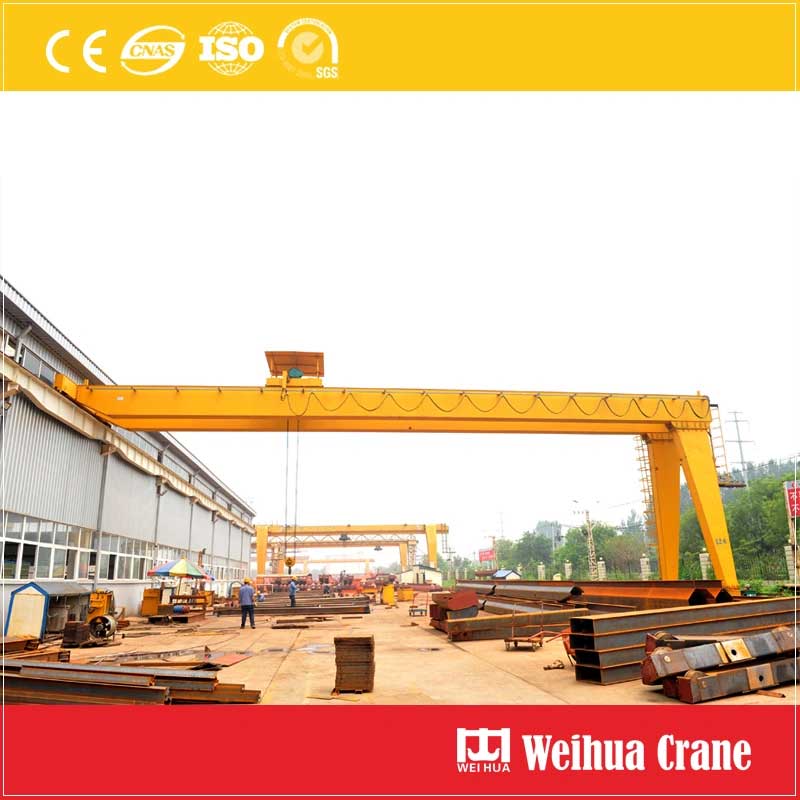
Maximizar a vida útil do guindaste não requer investimento excessivo – depende de gerenciamento diário padronizado. Aqui estão estratégias viáveis adotadas por instalações industriais profissionais:
Mesmo com manutenção perfeita, cada guindaste de pórtico chega ao fim da sua vida útil. É hora de substituição ou modernização abrangente se você notar os seguintes sinais:
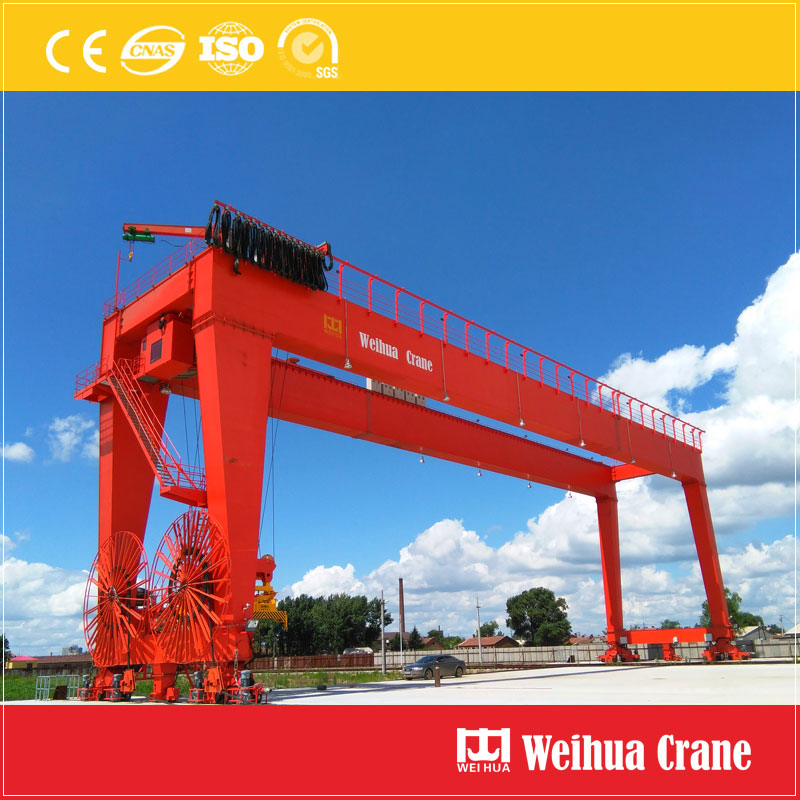
Em média, um guindaste de pórtico com manutenção adequada funciona de 20 a 30 anos, com unidades leves durando mais e unidades pesadas inclinando-se para o segmento mais curto da linha. Sua vida útil é um equilíbrio entre a qualidade do design, hábitos operacionais, condições ambientais, e rigor de manutenção. Para empresas industriais, a manutenção proativa e a operação padronizada são muito mais econômicas do que reparos de emergência ou substituição prematura.
Ao aderir aos padrões internacionais da indústria, realizando inspeções regulares, e eliminando operações impróprias, você pode maximizar totalmente a vida útil do seu guindaste de pórtico, garantir uma operação segura e estável a longo prazo, e otimize o retorno do investimento em equipamentos.
Para encerrar este guia, compilamos as perguntas mais frequentes dos proprietários de guindastes, gerentes de site, e equipes de manutenção para esclarecer dúvidas comuns sobre a vida útil do pórtico, manutenção, e substituição.
1. Um guindaste de pórtico pode durar 40 anos?
Sim, mas apenas para guindastes de pórtico internos leves com uso extremamente baixo, manutenção de rotina rigorosa, tratamento anticorrosivo regular, e sem operações de sobrecarga. A maioria dos pórticos padrão e pesados não consegue alcançar 40 anos, já que a fadiga do metal e o desgaste dos componentes mecânicos são irreversíveis após décadas de operação. Unidades acima 30 anos geralmente exigem inspeções estruturais completas e atualizações de componentes para manter a operação segura.
2. O uso externo reduz a vida útil de um guindaste de pórtico?
Absolutamente. Guindastes de pórtico externos ficam expostos à chuva, vento, Raios UV, mudanças de temperatura, e corrosão salina (zonas costeiras), que aceleram a ferrugem do aço, envelhecimento do sistema elétrico, e desgaste mecânico. Sem proteção anticorrosiva direcionada e manutenção sazonal, guindastes externos normalmente perdem de 3 a 5 anos de vida útil em comparação com modelos internos idênticos.
3. A lubrificação regular é suficiente para prolongar a vida útil do guindaste??
Não. A lubrificação é apenas uma etapa básica de manutenção. Um sistema de manutenção completo inclui inspeções visuais pré-turno, calibração regular de componentes, remoção de ferrugem e repintura, teste de sistema elétrico, teste de carga profissional anual, e substituição oportuna de peças desgastadas. Depender apenas da lubrificação não pode resolver a fadiga estrutural, corrosão, ou falhas elétricas antigas.
4. Posso continuar usando um guindaste de pórtico antigo com pouca ferrugem?
Luz, ferrugem superficial superficial que é limpa e repintada em tempo hábil não afetará a vida útil. No entanto, espalhando ferrugem, corrosão por picada, ou ferrugem nas principais estruturas de suporte enfraquecerá gradualmente a resistência do aço, causar deformação estrutural ao longo do tempo, e trazem grandes riscos de segurança. Tais situações requerem reparo e reforço profissional imediato.
5. É melhor reparar ou substituir um guindaste de pórtico antigo?
Depende da condição e do custo do equipamento. Se a estrutura central do guindaste estiver intacta e os custos anuais de manutenção forem baixos, reparos regulares e atualizações parciais de componentes são econômicos. Se a unidade tiver esgotado a sua vida útil em fadiga, sofre de falhas frequentes, ou os custos de modernização excedem 50% do preço de um guindaste novo, a substituição completa é mais segura e econômica no longo prazo.
6. Quais fatores afetam a vida útil de um guindaste de pórtico?
A vida útil de um guindaste de pórtico é determinada por quatro fatores principais. Primeiro, condições operacionais, incluindo peso da carga, frequência de sobrecarga, hábitos de inicialização e frenagem, e ciclos de trabalho totais, que causam diretamente fadiga mecânica. Segundo, ambiente de trabalho, como exposição ao ar livre, alta umidade, spray de sal, e gás corrosivo provocará ferrugem estrutural e envelhecimento elétrico. Terceiro, qualidade de manutenção; realizar inspeções regulares, lubrificação, E a substituição de peças evita efetivamente o desgaste prematuro. Quarto,qualidade de fabricação original, incluindo grau de aço, precisão de soldagem, e conformidade com os padrões de design da indústria, estabelecendo as bases para uma operação estável a longo prazo.
Valorizamos seu feedback! Preencha o formulário abaixo para que possamos adaptar nossos serviços às suas necessidades específicas.


Clique no botão para obter informações e citações do produto no WhatsApp.
Obtenha cotação
Últimos comentários