
Menu de navegação

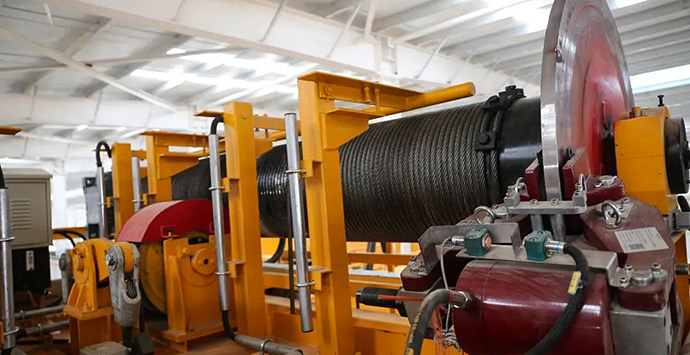
Se você trabalha na construção, logística, ou qualquer indústria que dependa de trabalho pesado, você provavelmente já ouviu a frase: um guindaste tem um cabo com tensão de ruptura. Mas o que isso realmente significa? É apenas um detalhe técnico, ou é um fator crítico que pode fazer ou quebrar (literalmente) suas operações? Hoje, estamos detalhando tudo o que você precisa saber sobre a tensão de ruptura do cabo do guindaste - desde sua definição e como ela é determinada até as consequências reais de ignorá-la, além de dicas práticas para manter sua equipe e equipamentos seguros.
Vamos começar com o básico. Quando dizemos que um guindaste tem um cabo com tensão de ruptura, estamos nos referindo à força de tração máxima (ou carregar) que o cabo do guindaste pode suportar antes de quebrar ou falhar estruturalmente. Não é um número aleatório – é um valor cuidadosamente calculado com base no material do cabo, construção, diâmetro, e projeto, medido em unidades como newtons (N), quilonewtons (kN), ou quilograma-força (kgf) dependendo dos padrões regionais.
A tensão de ruptura é diferente do “limite de carga de trabalho” (Wll), um termo comum com o qual você pode confundi-lo. O limite de carga de trabalho é a carga segura que o cabo pode suportar durante as operações diárias – normalmente uma fração da tensão de ruptura (muitas vezes 10-25%, dependendo dos regulamentos da indústria). Esta lacuna, chamado de “fator de segurança,”não é negociável: é responsável por tensões inesperadas, como cargas dinâmicas (Por exemplo, elevadores repentinos ou empurrões), desgaste, e fatores ambientais que enfraquecem o cabo ao longo do tempo.
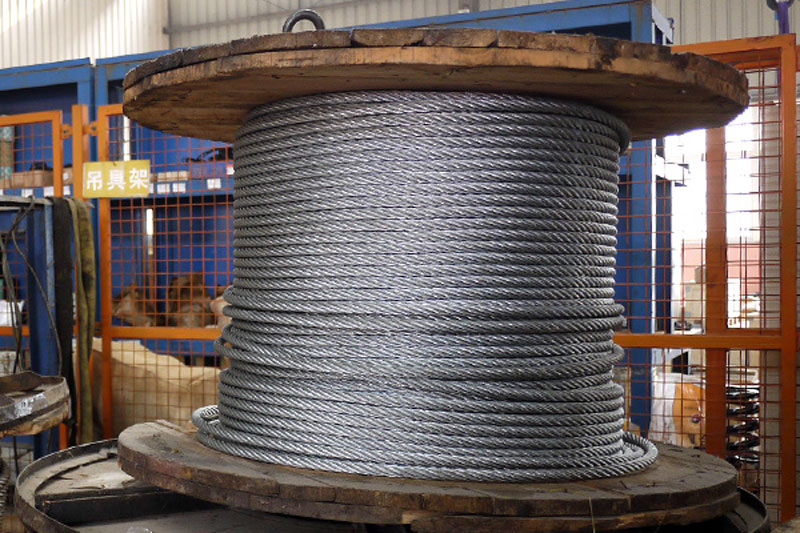
Nem todos os cabos de guindaste são criados iguais, e sua tensão de ruptura varia amplamente com base em vários fatores-chave. Compreendê-los irá ajudá-lo a escolher o cabo certo para o seu guindaste e evitar incompatibilidades perigosas:
Os cabos de guindastes modernos são mais comumente feitos de fios de aço de alta resistência, que oferecem resistência e durabilidade excepcionais. O número de fios e cordões no cabo impacta diretamente sua tensão de ruptura: um cabo com mais (e menor) fios tem maior resistência à fadiga, permitindo que ele se dobre repetidamente sobre os feixes sem enfraquecer, enquanto menos, fios maiores podem ter maior resistência bruta, mas menos flexibilidade. Por exemplo, 6-cabos trançados normalmente têm maior resistência ao esmagamento (um fator na durabilidade geral) do que cabos de 8 fios, enquanto a IWRC (Núcleo de cabo de aço independente) os cabos são mais resistentes ao esmagamento do que os cabos com núcleo de fibra.
É física simples: quanto mais grosso o cabo (maior área de seção transversal), quanto maior for sua tensão de ruptura. Um cabo com diâmetro maior possui mais material para distribuir a carga, reduzindo o estresse por unidade de área. Por exemplo, um cabo de aço de 10 mm de diâmetro terá uma tensão de ruptura muito menor do que um cabo de 20 mm do mesmo material e construção. É por isso que calcular os limites de carga com base no diâmetro é uma etapa fundamental de segurança.
O núcleo do cabo – seja de fibra (como cânhamo ou sintético) ou aço - afeta a resistência e a flexibilidade. Os cabos com núcleo de fibra são mais leves e flexíveis, tornando-os ideais para aplicações onde o cabo dobra com frequência, mas eles têm uma tensão de ruptura menor do que os cabos com núcleo de aço. Cabos com núcleo de aço (como a IWRC) são mais rígidos, mas podem suportar cargas mais pesadas, tornando-os melhores para tarefas de elevação pesada.
Mesmo a tensão de ruptura do cabo mais forte diminuirá com o tempo se exposto a condições adversas. Fatores como corrosão (de água salgada ou produtos químicos), temperaturas extremas, Radiação UV, e flexão repetida (sobre roldanas ou tambores) todos enfraquecem a estrutura do cabo. Adicionalmente, cargas dinâmicas – como levantar uma carga muito rapidamente, paradas repentinas, ou pressão lateral – pode exceder temporariamente a carga de trabalho segura do cabo, aproximando-o de sua tensão de ruptura prematuramente.
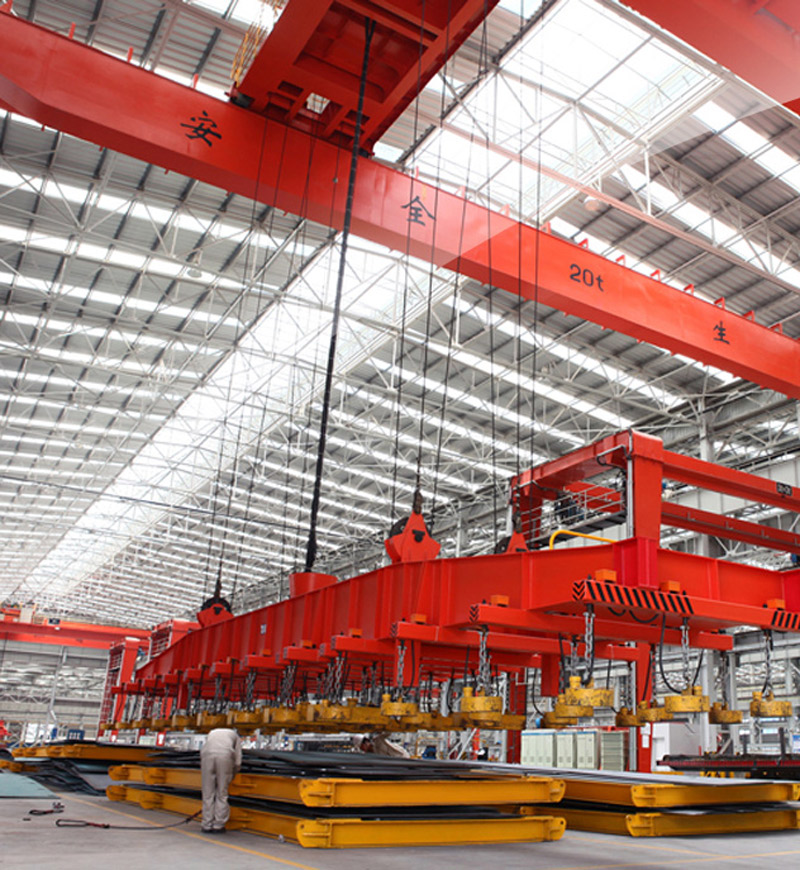
Quando você ignora o fato de que um guindaste tem um cabo com tensão de ruptura, os resultados podem ser catastróficos. Vejamos dois exemplos do mundo real que destacam o perigo:
Em 2000, um canteiro de obras na Flórida sofreu um acidente fatal quando um cabo de guindaste quebrou ao levantar uma viga de concreto de 73,3 toneladas de uma ponte. O cabo utilizado não atendeu às especificações recomendadas pelo fabricante – usando uma construção 6×26 em vez do 6×36 exigido – reduzindo sua tensão de ruptura e levando à falha. A viga que caiu esmagou e matou um funcionário, sublinhando como mesmo pequenos desvios dos padrões podem ter resultados mortais.
Em outro incidente em 2022, um guindaste sobre esteiras tombou de uma barcaça de construção na Virgínia após mudar de posição, resultando na perda total do $2 milhões de guindastes e um derramamento de óleo. Embora a causa direta tenha sido o desequilíbrio de carga, o incidente destaca como qualquer tensão que empurre um cabo em direção à sua tensão de ruptura pode desencadear uma reação em cadeia de falha, colocando vidas em perigo, equipamento, e o meio ambiente.
Esses acidentes não são anomalias – eles são lembretes de que a tensão de ruptura não é apenas uma especificação técnica; é um limite de segurança que nunca deve ser ultrapassado.
A boa notícia é que a maioria dos acidentes relacionados com cabos são evitáveis. Aqui estão as etapas práticas para manter suas operações seguras, alinhado com as melhores práticas do setor:
1. Sempre verifique a classificação do cabo
Before any lift, confirme se o cabo do guindaste está classificado para a carga que você está levantando. Nunca exceda o limite de carga de trabalho, e sempre leve em conta o fator de segurança. Por exemplo, se um cabo tiver uma tensão de ruptura de 6400 kg (medido para 2 algarismos significativos), você precisará calcular o número seguro de caixas de 90 kg que ele pode levantar – levando em consideração as tolerâncias de medição – para evitar se aproximar da tensão de ruptura.
2. Inspecione os cabos regularmente
Inspeções visuais diárias e inspeções formais periódicas não são negociáveis. Procure sinais de desgaste: fios desgastados, torções, corrosão, esmagamento (seções transversais distorcidas), ou quebras de fadiga (reconhecido por extremidades quadradas perpendiculares ao fio). Mesmo pequenos danos podem reduzir significativamente a tensão de ruptura. Se você detectar algum problema, substitua o cabo imediatamente – não tente consertá-lo ou “fazê-lo funcionar” para mais um levantamento.
3. Treine sua equipe
Todo operador e montador deve entender o que significa tensão de ruptura, como ler classificações de cabos, e como detectar sinais de danos. O treinamento adequado também inclui aprender como evitar cargas dinâmicas (Por exemplo, levantando lenta e suavemente) e como responder se um cabo mostrar sinais de estresse. Uma equipe bem treinada é sua primeira linha de defesa contra acidentes.
4. Escolha o cabo certo para o trabalho
Combine o cabo com sua aplicação. Por exemplo, se você estiver levantando cargas pesadas em um ambiente marinho (propenso à corrosão), use um cabo de aço galvanizado com alta tensão de ruptura e resistência à corrosão. Se você estiver usando um guindaste com componentes rotativos, opte por cabos rotativos especializados que possam suportar torção sem enfraquecer. Usar o cabo errado para o trabalho é uma receita para o fracasso.
5. Loja & Faça a manutenção adequada dos cabos
Quando não estiver em uso, armazene os cabos em local seco, área bem ventilada, longe da luz solar direta, produtos químicos, e objetos pontiagudos. Evite dobrar demais ou torcer os cabos durante o armazenamento, pois isso pode danificar sua estrutura e reduzir a tensão de ruptura. Para armazenamento de longo prazo, inspecione e teste periodicamente os cabos para garantir que ainda estejam em boas condições.
No final do dia, a frase um guindaste tem um cabo com tensão de ruptura é um lembrete de responsabilidade - responsabilidade para sua equipe, seu equipamento, e a segurança de todos ao seu redor. Quebrar a tensão não é uma sugestão; é um limite rígido que, quando ignorado, leva à tragédia.
Ao entender o que é tensão de ruptura, como é determinado, e como proteger seus cabos, você pode garantir que cada elevador seja seguro, eficiente, e compatível. Lembrar: um cabo forte é tão confiável quanto as pessoas que o usam e fazem a manutenção. Não corte atalhos – respeite a tensão de ruptura, e mantenha seu local de trabalho seguro.
Você já lidou com manutenção de cabos ou cálculos de carga para guindastes?? Compartilhe suas dicas ou experiências nos comentários abaixo – adoraríamos ouvir de você!
Valorizamos seu feedback! Preencha o formulário abaixo para que possamos adaptar nossos serviços às suas necessidades específicas.


Clique no botão para obter informações e citações do produto no WhatsApp.
Obtenha cotação
Últimos comentários