
Menu nawigacyjne

Twój hak dźwigowy jest najważniejszy, ostateczne połączenie pomiędzy sprzętem dźwigowym a ładunkiem. Jego awaria to nie tylko czkawka operacyjna; stanowi to katastrofalne zagrożenie bezpieczeństwa o potencjalnie niszczycielskich konsekwencjach. Wiedza o tym, kiedy wymienić hak dźwigu, to nie tylko dobra praktyka – to podstawowy obowiązek związany z bezpieczeństwem i odpowiedzialnością prawną.
Ignorowanie zużytych lub uszkodzonych haków to ryzyko, na które nie może sobie pozwolić żadna odpowiedzialna firma. Oto niezbędny przewodnik po rozpoznawaniu krytycznych sygnałów:
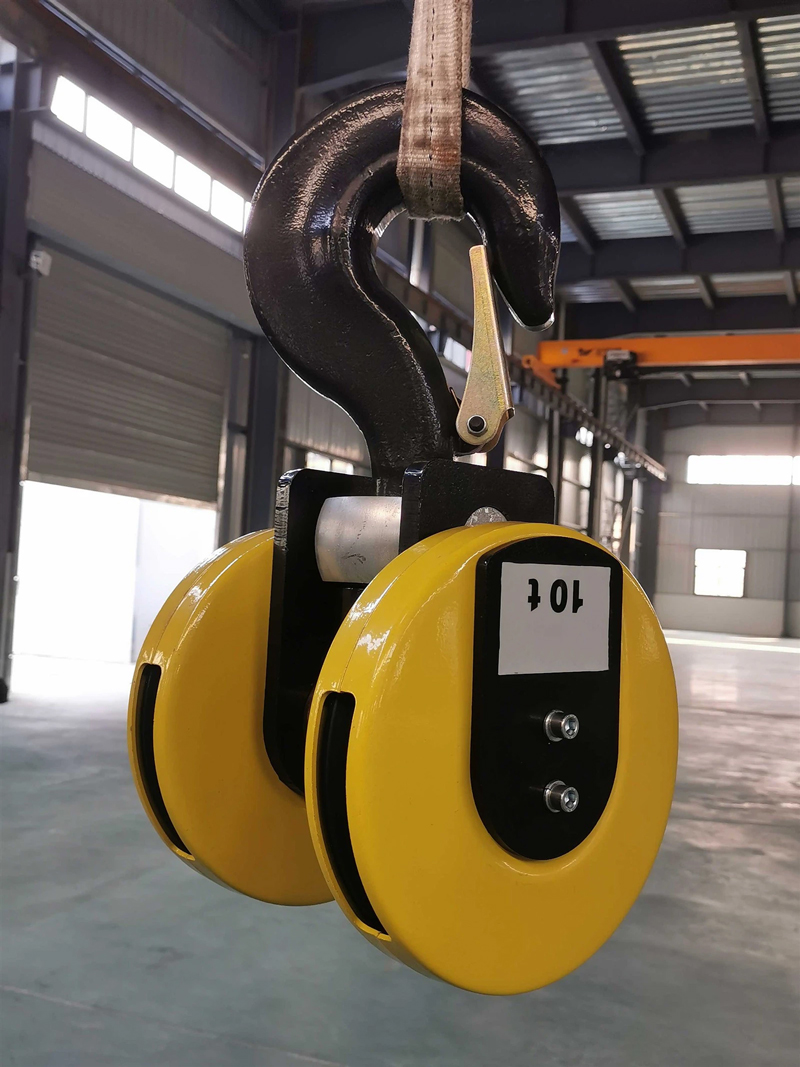
1. Widoczne pęknięcia: Jakiekolwiek pęknięcie, nieważne jak małe, to absolutna czerwona flaga. Pęknięcia rozprzestrzeniają się pod wpływem naprężeń i prowadzą do nagłych, katastrofalna porażka. Wymień natychmiast.
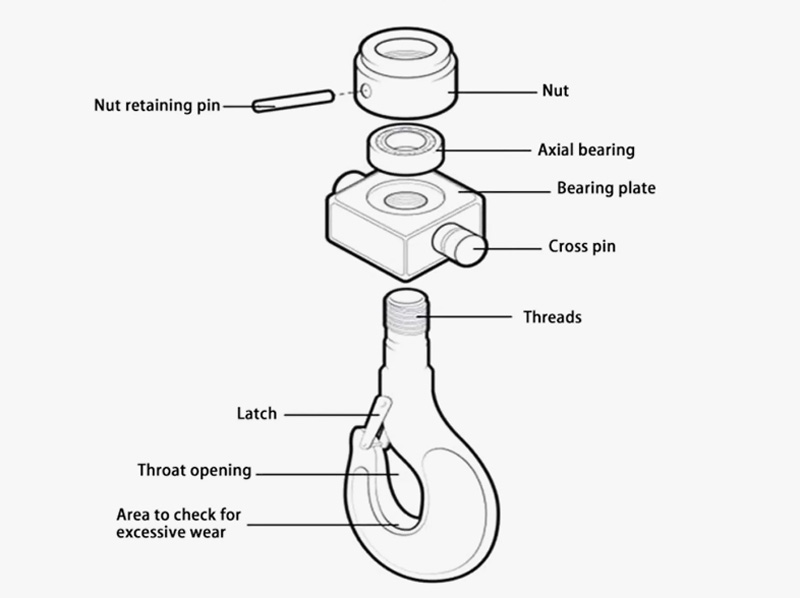
2. Nadmierne zużycie: Zmierzyć otwór gardzieli haka (w najszerszym miejscu) regularnie. Jeśli zużycie przekracza 10% pierwotnego wymiaru otworu, pojemność haka jest zagrożona. Wymień natychmiast.
3. Odkształcenie/zgięcie: Haczyk powinien zachować swój pierwotny kształt. Jakiekolwiek skręcenie, pochylenie się, lub otwarcie haka poza fabryczne tolerancje wskazuje na odkształcenie plastyczne i poważne osłabienie. Wymień natychmiast.
4. Znaczące zużycie szyi: Noś na dole szyi haczyka (gdzie przenosi obciążenie) zmniejsza pole przekroju poprzecznego, drastycznie obniżając bezpieczny limit obciążenia roboczego. Jeśli zużycie przekracza 5% oryginalnej średnicy, natychmiast wymienić.
5. Uszkodzony lub brakujący zatrzask (Zatrzask bezpieczeństwa): Jeśli jest wyposażony, uszkodzony, nieczynny, lub brak zatrzasku zabezpieczającego drastycznie zwiększa ryzyko zsunięcia się zawiesi lub ładunku z haka. Natychmiast napraw lub wymień hak/zatrzask.
6. Uszkodzenie gwintu (Haczyki z trzonkiem): Do haków z trzpieniem gwintowanym, rozebrany, skorodowane, lub uszkodzone gwinty uniemożliwiają prawidłowe osadzenie i bezpieczne połączenie z krętlikiem lub ogniwem. Wymień natychmiast.
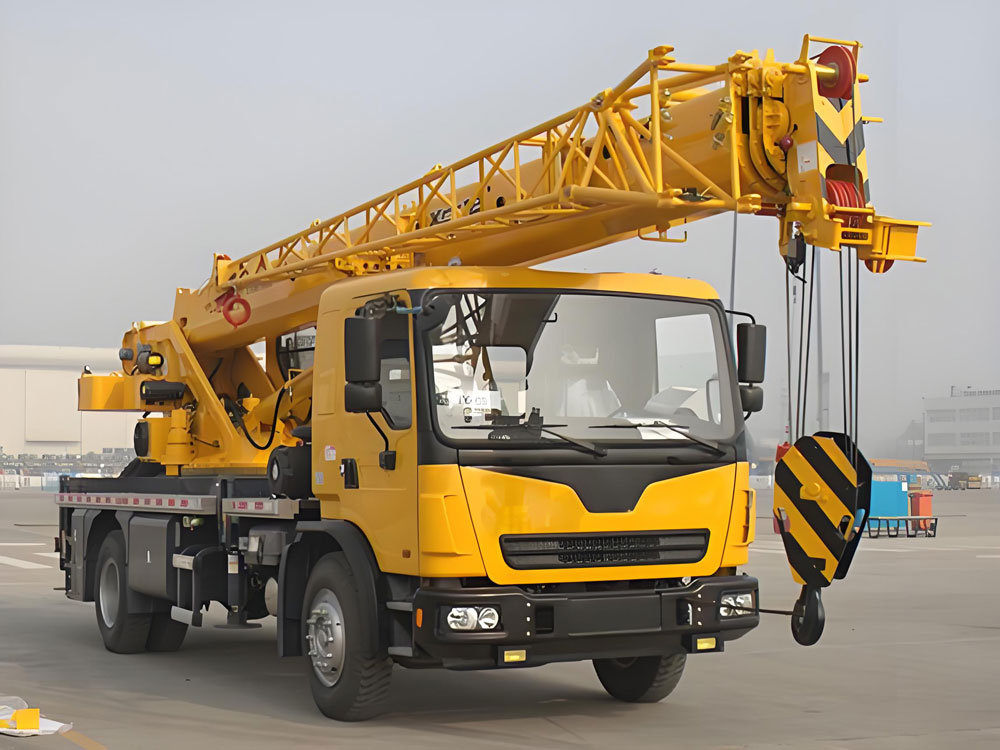
1. Głębokie rowkowanie lub nacinanie: Głębokie rysy lub nacięcia spowodowane zużyciem ściernym lub ostrymi krawędziami ładunku tworzą niebezpieczne punkty naprężenia. Dokładnie oceń głębokość i lokalizację; często wymaga wymiany.
2. Nadmierna korozja lub wżery: Chociaż rdzę powierzchniową można wyczyścić, głęboka korozja wżerowa zżera metal, znacznie zmniejszając jego wytrzymałość. Dokładnie oceń nasilenie.
3. Uszkodzenia cieplne (Odbarwienie): Niebieskie lub brązowe przebarwienia wskazują, że haczyk był wystawiony na działanie wysokiej temperatury (NP., iskry spawalnicze, ogień), zmieniając jego metalurgię i osłabiając ją. Prawdopodobnie wymaga wymiany.
4. Zużycie końcówki haka: Znaczące zużycie końcówki haka może zmniejszyć jego zdolność do bezpiecznego mocowania zawiesi lub osprzętu.
5. Wiek i historia serwisowa: Nawet bez widocznych uszkodzeń, haki poddane ciężkim cyklom pracy, duże obciążenia, lub środowiska korozyjne mogą wymagać wymiany w oparciu o zalecenia producenta lub ocenę techniczną.
6. Po wypadku lub przeciążeniu: Każdy hak podlegający obciążeniu udarowemu, przypadek przeciążenia, lub kolizji należy natychmiast wycofać z eksploatacji i dokładnie sprawdzić przez kompetentną osobę. Wymiana jest wysoce prawdopodobna.
Regularne przeglądy są obowiązkowe: Wdrożyć rygorystyczny reżim:
Obrażenia lub ofiary śmiertelne pracowników: To jest najważniejsze ryzyko.
Obciążenie uszkodzeń: Zniszczenie cennego ładunku lub sprzętu.
Szkoda majątkowa: Uszkodzenia uboczne konstrukcji lub innych aktywów.
Kosztowne przestoje: Wstrzymania produkcji i opóźnienia w projektach.
Grzywny regulacyjne & Kary: Wysokie kary finansowe za nieprzestrzeganie przepisów.
Odpowiedzialność prawna & Pozwy: Surowe konsekwencje prawne za zaniedbanie.
Uszkodzenie reputacji: Utrata zaufania klientów i możliwości biznesowych.
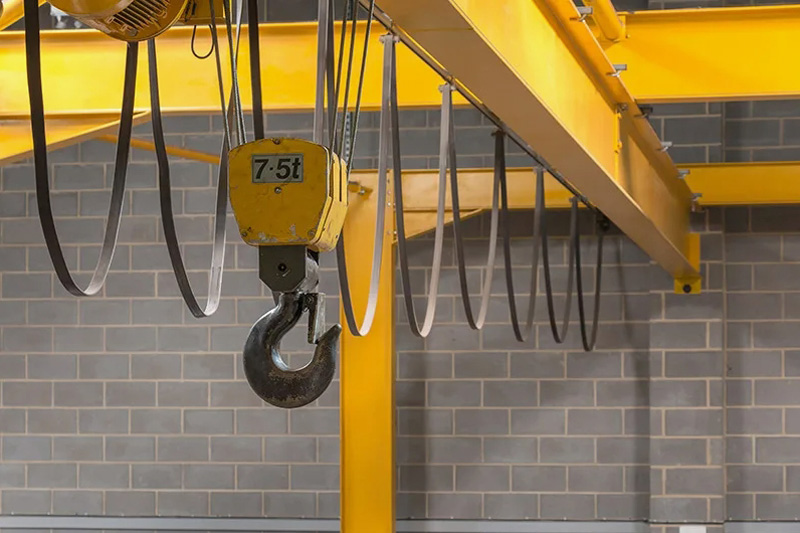
Natychmiast usuń podejrzany hak: Oznacz go jako „Nieczynny” lub „Nie używaj”.
Zapoznaj się ze standardami & Producent: Informacje można znaleźć u producenta oryginalnego sprzętu (OEM) specyfikacji i odpowiednich norm (ASME B30.10, W 1677, ISO 17096) dla kryteriów wymiany i kompatybilnych typów haków.
Wybierz właściwy zamiennik: Dopasuj pojemność znamionową, typ (cholewka, oko, widelec), klasa materiału, i wymiary dokładnie. Nigdy nie zmniejszaj pojemności.
Jakość ma znaczenie: Zaopatrz się w haki zamienne od renomowanych producentów, które spełniają lub przekraczają wymagane standardy i zapewniają certyfikat.
Zapewnij prawidłową instalację: Postępuj zgodnie z instrukcjami OEM. Wymagania dotyczące momentu obrotowego są krytyczne w przypadku haków z trzpieniem gwintowanym.
Sprawdzać & Poświadczać: Przed oddaniem dźwigu do użytku należy zlecić kontrolę i udokumentowanie nowo zainstalowanego haka kompetentnej osobie. W zależności od przepisów lub okoliczności może być wymagane sprawdzenie obciążenia próbnego.
Zniszcz stare haki: Zapobiegaj przypadkowemu ponownemu użyciu – fizycznie zniszcz poważnie uszkodzone lub uszkodzone haki.
Twój Haczyk dźwigu jest istotnym elementem bezpieczeństwa. Traktowanie wymiany jako proaktywnej konieczności, nie jest reaktywną ostatecznością, jest kluczem do ochrony Twoich ludzi, Twoje aktywa, i Twój biznes.
Już dziś zaplanuj kolejną profesjonalną inspekcję dźwigu. Upewnij się, że każdy hak w Twojej flocie jest bezpieczny, uległy, i gotowy do obciążenia. Skontaktuj się z naszymi ekspertami w dziedzinie podnoszenia, aby uzyskać certyfikowane inspekcje, wysokiej jakości haki zamienne, oraz wytyczne dotyczące utrzymywania bezpiecznego środowiska podnoszenia.
Q: Czy uszkodzony hak da się zespawać lub naprawić?
A: Główne normy ogólnie zabraniają napraw haków dźwigowych poprzez spawanie lub obróbkę cieplną (ASME B30.10) chyba że zostanie to wyraźnie autoryzowane przez producenta OEM przy zastosowaniu kwalifikowanych procedur. Wymiana jest prawie zawsze wymaganą czynnością.
Q: Jak często należy formalnie sprawdzać haki?
A: Częstotliwość zależy w dużej mierze od sposobu użytkowania, środowisko, i regulaminy. Skonsultuj się z ASME B30.10, OSHA 1910.179, LOLER, lub lokalne standardy. Typowe odstępy wahają się od miesięcznych (surowa służba) do rocznie (normalna obsługa), zawsze wykonywane przez kompetentną osobę.
Q: Gdzie mogę znaleźć oryginalne specyfikacje haka?
A: Sprawdź oryginalną dokumentację żurawia (wykres obciążenia, podręcznik), oznaczenia na samym haku (pojemność, stopień, producent), lub skontaktuj się z producentem dźwigu lub haka.
Cenimy twoją opinię! Wypełnij poniższy formularz, abyśmy mogli dostosować nasze usługi do twoich konkretnych potrzeb.


Kliknij przycisk, aby uzyskać informacje o produkcie i cytaty na WhatsApp.
Zdobądź wycenę
Najnowsze komentarze