
Menu nawigacyjne

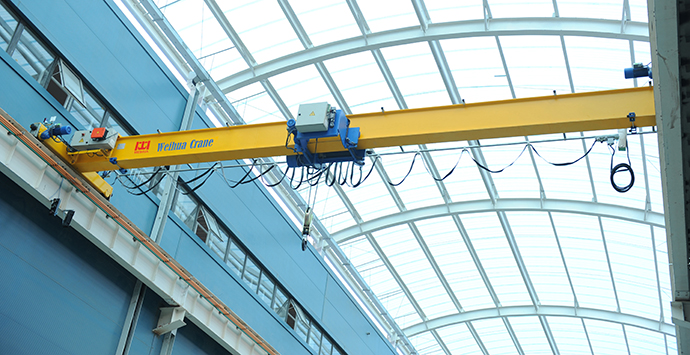
W warunkach przemysłowych — od zakładów produkcyjnych i placów budowy po magazyny i stocznie — suwnice pomostowe to konie pociągowe, które usprawniają operacje podnoszenia ciężkich ładunków. Już, ich moc i użyteczność wiążą się ze znacznym ryzykiem: niewłaściwe użycie może prowadzić do katastrofalnych wypadków, skutkując kontuzjami, ofiary śmiertelne, uszkodzony sprzęt, i kosztowne przestoje. W tym przypadku szkolenie w zakresie bezpieczeństwa suwnic pomostowych staje się nie tylko wymogiem regulacyjnym, ale podstawą odpowiedzialnego i produktywnego miejsca pracy. Na tym blogu, sprawdzimy, dlaczego to szkolenie nie podlega negocjacjom, co powinien obejmować, i jak zmienia na lepsze kulturę bezpieczeństwa.
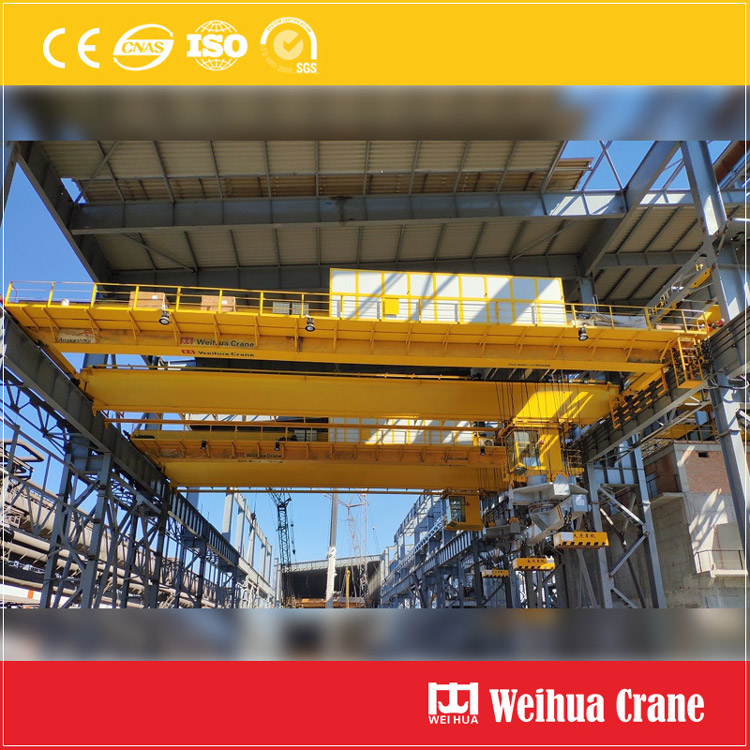
Liczby mówią same za siebie: – twierdzi Urząd Bezpieczeństwa i Higieny Pracy (OSHA), wypadki związane z dźwigami są przyczyną średnio 44 ofiar śmiertelnych i setek obrażeń rocznie w USA. sam. Wiele z tych incydentów wynika z czynników, którym można zapobiec – nieprzeszkolonych operatorów, niewystarczające kontrole, lub samozadowolenie. Poza kosztem ludzkim, wypadki prowadzą do zakłóceń w działaniu: pojedyncza awaria dźwigu może wstrzymać produkcję na kilka dni, kosztują firmy tysiące (lub nawet miliony) w postaci utraconych dochodów i kosztów napraw.
Zgodność z przepisami to kolejny ważny czynnik. Standard OSHA 1910.179 w przypadku suwnic i suwnic bramowych wymaga, aby maszyny te obsługiwał wyłącznie wykwalifikowany i przeszkolony personel. Niezastosowanie się może skutkować wysokimi karami finansowymi, kary prawne, i szkody dla reputacji. Szkolenie nie polega jednak tylko na sprawdzaniu pudełek – chodzi o wyposażenie zespołów w wiedzę i umiejętności potrzebne do identyfikowania zagrożeń, podejmować bezpieczne decyzje, i chronić siebie i swoich współpracowników.
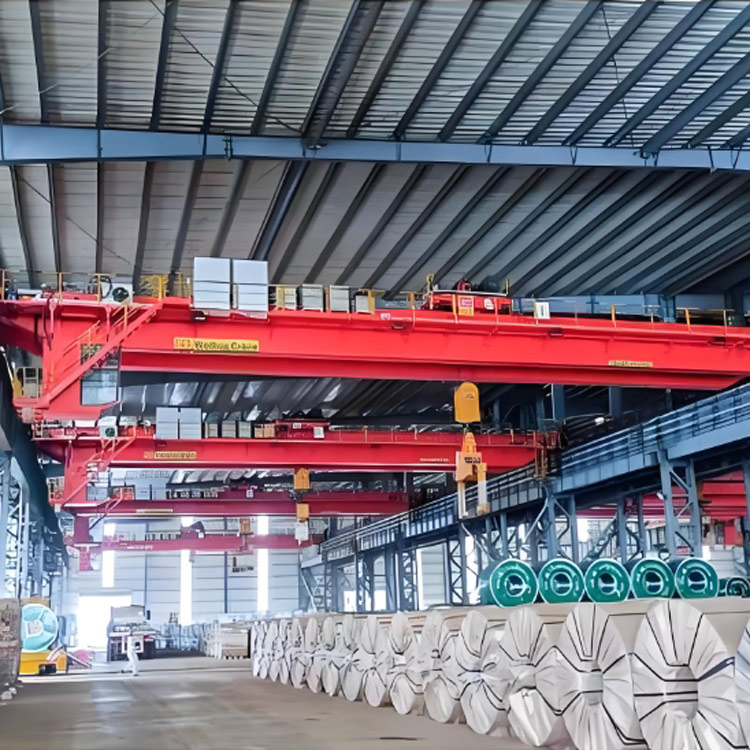
Nie wszystkie szkolenia w zakresie bezpieczeństwa są sobie równe. Program wysokiej jakości powinien być kompleksowy, praktyczne, i dostosowane do konkretnych potrzeb Twojego miejsca pracy. Oto kluczowe moduły, które powinno zawierać każde szkolenie z zakresu bezpieczeństwa suwnic:
Operatorzy nie będą mogli bezpiecznie korzystać z dźwigu, jeśli nie zrozumieją, jak on działa. Moduł ten obejmuje podstawową anatomię suwnic, w tym wciągników, wózki, mosty, pasy startowe, i elementy sterujące — oraz sposób interakcji poszczególnych komponentów. Uczestnicy szkolenia uczą się rozróżniać różne typy dźwigów (NP., suwnice, Żuty grupy, Jib dźwigi) i ich przeznaczenie, a także dopuszczalne obciążenia i niebezpieczeństwa przeciążenia.
Codzienne kontrole przed rozpoczęciem pracy stanowią pierwszą linię obrony przed wypadkami. Stażyści uczą się przeprowadzać dokładne inspekcje kluczowych komponentów: sprawdzenie zużytych kabli, uszkodzone haki, nieprawidłowe działanie elementów sterujących, i odpowiednie smarowanie. Uczą się także dokumentować inspekcje i natychmiast zgłaszać wszelkie usterki – przed oddaniem żurawia do użytku. OSHA wymaga takich kontroli, ale co ważniejsze, zapobiegają awariom mechanicznym w trakcie pracy.
To jest praktyczna istota szkolenia. Uczestnicy szkolenia ćwiczą podstawowe umiejętności, takie jak:
Symulatory i szkolenia stanowiskowe (pod nadzorem) są tutaj nieocenione — pozwalają stażystom ćwiczyć w środowisku niskiego ryzyka, zanim będą musieli poradzić sobie z prawdziwymi obciążeniami.
Praca suwnicą wiąże się z wieloma zagrożeniami, przed zagrożeniami elektrycznymi (kontakt z liniami energetycznymi) do zagrożeń naziemnych (potykanie się lub spadanie przedmiotów). Szkolenie uczy uczestników identyfikowania tych zagrożeń i podejmowania proaktywnych kroków w celu ich ograniczenia. Na przykład, uczą się obliczać bezpieczne odległości robocze od linii energetycznych, korzystaj z obserwatorów, gdy widoczność jest ograniczona, i zabezpieczyć strefy pracy, aby trzymać pieszych z daleka.
Stażyści muszą rozumieć swoje obowiązki prawne wynikające z OSHA i innych odpowiednich norm. Moduł ten obejmuje wymagania dotyczące prowadzenia dokumentacji (dzienniki inspekcji, certyfikaty szkoleniowe), obowiązki zgłaszania wypadków lub zdarzeń potencjalnie wypadkowych, oraz konsekwencje nieprzestrzegania. Podkreśla również, że bezpieczeństwo to wspólna odpowiedzialność – wszyscy w miejscu pracy, nie tylko operatorów, odgrywa rolę w utrzymaniu bezpiecznego środowiska.
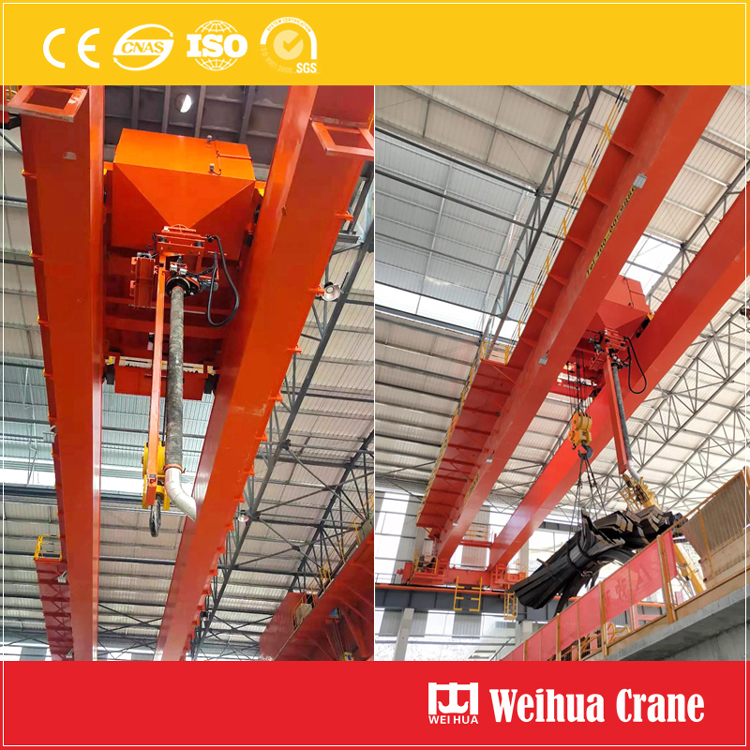
Nawet programy szkoleniowe oparte na dobrych intencjach mogą okazać się niewystarczające, jeśli zawierają te typowe błędy:
Inwestycja w szkolenia w zakresie bezpieczeństwa suwnic zapewnia wymierne korzyści wykraczające poza zapobieganie wypadkom. Wyszkoleni operatorzy są bardziej wydajni: radzą sobie z ładunkami szybciej i z mniejszą liczbą błędów, ograniczenie przestojów spowodowanych przeróbkami lub uszkodzeniem sprzętu. Silna kultura bezpieczeństwa podnosi także morale pracowników — pracownicy czują się cenieni, gdy ich pracodawca stawia na pierwszym miejscu ich dobro, co prowadzi do niższych obrotów i wyższej produktywności.
Dla napiwku: Użyj kombinacji metod szkoleniowych (e-learning, demonstracje osobiste, praktyczna praktyka) aby zaspokoić różne style uczenia się. Dzięki temu uczestnicy są zaangażowani i poprawiają trwałość wiedzy.
Suwnice pomostowe są niezbędnymi narzędziami współczesnego przemysłu, jednak ich bezpieczne działanie zależy wyłącznie od ludzi, którzy z nich korzystają. Szkolenie w zakresie bezpieczeństwa suwnic pomostowych to nie tylko koszt — to inwestycja w Twój zespół, swój sprzęt, i długoterminowy sukces Twojej firmy. Priorytetem jest kompleksowość, ciągłe szkolenia, tworzysz miejsce pracy, w którym wypadki są rzadkie, wydajność jest wysoka, i wszyscy bezpiecznie wracają do domu na koniec dnia.
Gotowy do przeniesienia programu bezpieczeństwa dźwigów na wyższy poziom? Oceń swoje obecne szkolenie, aby upewnić się, że obejmuje wszystkie podstawowe elementy opisane tutaj, i rozważ współpracę z wykwalifikowanym dostawcą szkoleń w zakresie bezpieczeństwa, aby dostosować je do swoich potrzeb. Pamiętać: bezpieczeństwo nie jest celem — to ciągła podróż.
Udostępnij w formacie PDF: Pobierać
Cenimy twoją opinię! Wypełnij poniższy formularz, abyśmy mogli dostosować nasze usługi do twoich konkretnych potrzeb.


Kliknij przycisk, aby uzyskać informacje o produkcie i cytaty na WhatsApp.
Zdobądź wycenę
Najnowsze komentarze