Analiza i rozwiązania przyczyn ogryzania szyn przez suwnice
2025-12-10
Suwnice pomostowe są niezbędnymi końmi pociągowymi w zakładach produkcyjnych, magazyny, i placów budowy, umożliwiając efektywną obsługę materiałów na dużych przestrzeniach. Jednakże, Jednym z utrzymujących się i kosztownych problemów nękających operatorów dźwigów i zespoły konserwacyjne jest obgryzanie szyn — nadmierne zużycie, drapanie, lub erozja szyn dźwigu spowodowana niewłaściwym kontaktem kół dźwigu z powierzchnią szyny. Pozostawione bez komentarza, Obgryzanie szyn nie tylko skraca żywotność szyn i kół, ale także stwarza zagrożenie dla bezpieczeństwa, łącznie z wykolejeniem, uszkodzenia strukturalne, i przestoje operacyjne. Na tym blogu, Zagłębimy się w główne przyczyny obgryzania szyn i przedstawimy praktyczne rozwiązania łagodzące ten problem.
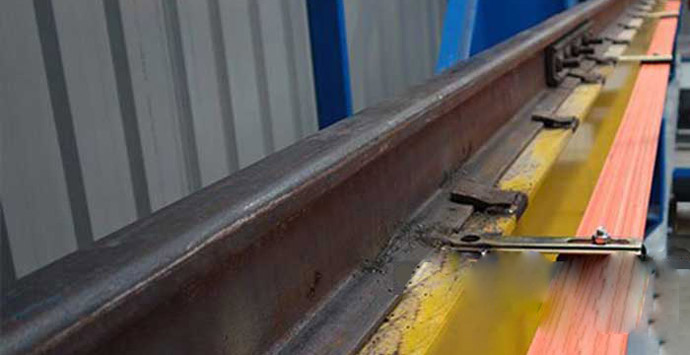
Zrozumienie gryzienia szyn przez suwnicę: Kluczowe objawy
Przed zbadaniem przyczyn, niezwykle ważne jest rozpoznanie oznak ogryzania szyn przez suwnicę. Typowe wskaźniki obejmują:
- 1. Widoczne zużycie główki szyny (nierówne powierzchnie, rowki, lub chipowanie)
- 2. Zarysowania lub wgniecenia wzdłuż bocznych krawędzi szyny
- 3. Nadmierny hałas (pisk, szlifowanie) podczas ruchu dźwigu
- 4. Nierówne zużycie kół (NP., stożkowe lub spłaszczone bieżniki kół)
- 5. Niewspółosiowość mostu dźwigowego względem szyn
- 6. Zwiększone zużycie energii w wyniku tarcia pomiędzy kołami i szynami
Objawy te często sygnalizują podstawowe problemy wymagające systematycznego badania.
Podstawowe przyczyny obgryzania szyn przez suwnicę

Obgryzanie szyn rzadko wynika z jednego czynnika; jest to zazwyczaj wynikiem niewspółosiowości mechanicznej, błędy operacyjne, lub warunki środowiskowe. Poniżej znajdują się najczęstsze przyczyny:
Niewspółosiowość mechaniczna
Mechaniczna niewspółosiowość jest główną przyczyną obgryzania szyn suwnic, wpływające na precyzję kontaktu koła z szyną. Kluczowe podczynniki obejmują:
- 1. Nieprawidłowe ustawienie mostu: Jeśli most dźwigowy (belka pozioma łącząca dwie ciężarówki końcowe) nie jest prostopadły do szyn, koła będą wywierać nacisk boczny na boki szyny. Dzieje się tak często z powodu poluzowanych śrub, zużyte połączenia mostkowe, lub niewłaściwa instalacja
- 2. Niewspółosiowość kół: Koła, które nie są prawidłowo ustawione (NP., nadmierne zbieżność lub zbieżność) zmusić obrzeża kół do ocierania się o krawędzie szyn. Ta niewspółosiowość może wynikać z wad produkcyjnych, niewłaściwa konserwacja, lub zużywają się z biegiem czasu.
- 3. Nierówny montaż szyn: Szyny, które nie są równe, równoległy, lub prawidłowo zakotwiczone, może spowodować przechylenie lub przesunięcie żurawia podczas ruchu. Nierówna wysokość lub rozstaw szyn powoduje nierówny rozkład obciążenia, co prowadzi do skoncentrowanego zużycia określonych odcinków szyn
- 4. Zużyte bieżniki lub kołnierze kół: Nadgodziny, bieżniki kół mogą się spłaszczyć, zwężany, lub pestka, podczas gdy kołnierze mogą się zużywać lub zaokrąglać. Te zużyte elementy zakłócają płynny kontakt z szyną, zwiększenie tarcia i gryzienia.
Czynniki operacyjne
Błąd ludzki i niewłaściwa obsługa mogą zaostrzyć obgryzanie szyn, nawet w dobrze utrzymanych dźwigach:
- 1. Przeciążenie: Przekroczenie udźwigu znamionowego żurawia powoduje nadmierne obciążenie kół i szyn, powodując nierównomierne zużycie i zwiększając siły boczne.
- 2. Nagłe ruszanie/zatrzymywanie lub ostre zakręty: Nagłe przyspieszenie, zmniejszenie prędkości, lub skręcanie (Do Żuty grupy) wytwarza siły bezwładności, które dociskają koła do boków szyny. To powtarzające się uderzenie przyspiesza gryzienie.
- 3. Nieprawidłowe ustawienie żurawia: Obsługa dźwigu z hakiem lub ładunkiem przesuniętym względem środka mostu może powodować niezrównoważone obciążenia, co prowadzi do niewspółosiowości i zwiększonego nacisku na szynę.
- 4. Ignorowanie znaków ostrzegawczych: Kontynuacja pracy dźwigu z widocznymi oznakami zużycia szyn, hałas, lub nieprawidłowe ustawienie powoduje eskalację problemu, skutkując poważniejszymi uszkodzeniami.
Czynniki środowiskowe i strukturalne
Warunki zewnętrzne i konstrukcja obiektu również mogą przyczyniać się do ogryzania szyn suwnicy:
- 1. Zanieczyszczenie: Pył, gruz, olej, lub wilgoć na powierzchni szyny zmniejsza tarcie pomiędzy kołami i szynami, powodując poślizg lub poślizg kół. Poślizg ten zwiększa ruch boczny i zużycie.
- 2. Wahania temperatury: Ekstremalnie wysokie lub niskie temperatury mogą powodować rozszerzanie się lub kurczenie szyn, co prowadzi do niewspółosiowości lub luk. W mroźnych warunkach, lód na szynach może również zakłócać kontakt koła z szyną.
- 3. Osadnictwo strukturalne: Nadgodziny, fundament obiektu może nierównomiernie się osiadać, wpływając na wyrównanie i poziomość szyny. Jest to szczególnie powszechne w starszych budynkach lub na obszarach o złych warunkach glebowych.
Praktyczne rozwiązania zapobiegające i łagodzące obgryzanie szyn
Rozwiązanie problemu problemów z koleją wymaga proaktywnego podejścia, łącząc regularną konserwację, prawidłowe działanie, i dostosowania strukturalne. Poniżej znajdują się praktyczne rozwiązania:
Przeprowadzaj regularne przeglądy i konserwację
- 1. Inspekcje kolei: Co tydzień sprawdzaj szyny pod kątem zużycia, niewspółosiowość, zanieczyszczenie, lub uszkodzenie. Używaj narzędzi takich jak linijki, nakładki laserowe, lub testery ultradźwiękowe do sprawdzania wypoziomowania szyn, równoległość, i grubość. Niezwłocznie wymień zużyte lub uszkodzone szyny.
- 2. Konserwacja koła: Co miesiąc sprawdzaj koła pod kątem zużycia bieżnika, grubość kołnierza, i wyrównanie. Napraw lub wymień zużyte koła, aby zapewnić właściwy kontakt z szyną. Utrzymuj właściwe smarowanie kół, aby zmniejszyć tarcie.
- 3. Kontrola mostu i ciężarówki końcowej: Dokręcić luźne śruby, sprawdź połączenia mostkowe, i zapewniają ciężarówki końcowe (jednostki, w których mieszczą się koła) są odpowiednio wyrównane. Wyreguluj lub wymień zużyte łożyska, koła zębate, lub osie, które wpływają na precyzję ruchu.
- 4. Smarowanie: Nałóż odpowiednie smary na powierzchnie szyn i obrzeża kół, aby zmniejszyć tarcie. Używaj suchych lubrykantów (NP., grafit) w zapylonych środowiskach i smary na bazie oleju w czystych warunkach. Unikaj nadmiernego smarowania, które mogą przyciągać zanieczyszczenia.
Popraw praktyki operacyjne
- 1. Operatorzy pociągów: Zapewnij kompleksowe szkolenie operatorom dźwigów w zakresie prawidłowych technik obsługi, łącznie z płynnym startem/zatrzymaniem, unikanie przeciążeń, i centrowanie obciążeń. Podkreśl znaczenie zgłaszania sygnałów ostrzegawczych (hałas, nosić , niewspółosiowość) natychmiast.
- 2. Ustaw limity operacyjne: Wdrożyć rygorystyczne zasady zapobiegające przeciążeniom i gwałtownym ruchom. Używaj monitorów obciążenia i systemów antykolizyjnych, aby zapobiec nadmiernym naprężeniom dźwigu i szyn.
- 3. Czyste powierzchnie szyn: Regularnie usuwaj kurz, gruz, olej, lub lód z szyn za pomocą szczotek, dmuchawy, lub środki odladzające (w zimne dni). Utrzymuj obszar wokół szyn w czystości, aby zminimalizować zanieczyszczenie.
Popraw problemy konstrukcyjne i instalacyjne
- 1. Wyrównaj szyny: Jeśli szyny są źle ustawione lub nierówne, zatrudnić profesjonalnych techników do ponownej regulacji, poziom, lub zamocuj je ponownie. Upewnij się, że szyny są równoległe i rozmieszczone w odpowiednich odstępach, zgodnie ze specyfikacją dźwigu.
- 2. Adres Osiedle Fundacji: Jeśli osiadanie strukturalne powoduje niewspółosiowość szyn, skonsultuj się z inżynierem budowlanym, aby ocenić i naprawić fundament. Może to obejmować wzmocnienie fundamentu lub regulację wsporników szyn.
- 3. Uaktualnij komponenty: Dla starszych żurawi, rozważ wymianę na wysokiej jakości koła i szyny wykonane z materiałów odpornych na zużycie (NP., hartowana stal). Elementy te charakteryzują się dłuższą żywotnością i lepszą odpornością na gryzienie.
Wdrożyć systemy monitorowania
- 1. Zainstaluj czujniki wibracji, ogniwa obciążnikowe, lub laserowe narzędzia do ustawiania położenia w celu monitorowania wydajności żurawia w czasie rzeczywistym. Systemy te potrafią wykryć niewspółosiowość, przeciążanie, lub nieprawidłowe zużycie przedwcześnie, umożliwiając interwencję w odpowiednim czasie.
- 2. Prowadź szczegółową dokumentację konserwacji, aby śledzić wzorce zużycia szyn i kół. Dane te mogą pomóc w identyfikacji powtarzających się problemów i optymalizacji harmonogramów konserwacji.
Wniosek
Obgryzanie szyn jest kosztownym i potencjalnie niebezpiecznym problemem suwnica Operacje, ale nie jest to nieuniknione. Poprzez zrozumienie głównych przyczyn — mechanicznej niewspółosiowości, błędy operacyjne, i czynniki środowiskowe – oraz wdrażanie proaktywnych rozwiązań, takich jak regularna konserwacja, odpowiednie przeszkolenie operatora, i dostosowania strukturalne, można znacznie zmniejszyć zużycie szyn, przedłużyć żywotność sprzętu, i zapewnić bezpieczeństwo, wydajna praca dźwigu. Pamiętać, zapobieganie jest zawsze bardziej opłacalne niż naprawa. Inwestuj w regularne przeglądy i niezwłocznie reaguj na sygnały ostrzegawcze, aby zapewnić płynną pracę suwnic przez długie lata.
Udostępnij w formacie PDF:




Najnowsze komentarze