
ナビゲーションメニュー

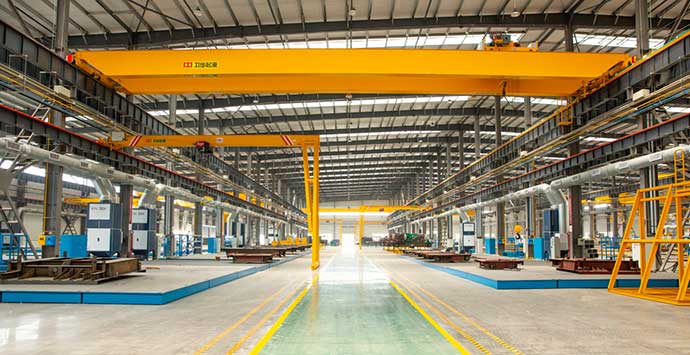
EOTクレーン
電動天井走行 (EOT) クレーンはインドの製造業全体のマテリアルハンドリング業務の根幹です, 工事, 鋼鉄, ロジスティクス, および重工業. 小規模作業用シングルガーダークレーンから大型ダブルガーダーモデルまで稼働 24/7 産業プラントで, EOT クレーンにより効率性が確保されます, シームレスな荷重移動. しかし, 規制されていない設計, 製造, これらのクレーンの操作は重大な安全上の問題を引き起こします, 構造上の欠陥も含めて, 負荷が低下する, および労働災害. 品質を標準化するには, 運転上の安全性, 構造的信頼性, およびメンテナンスプロトコル, インドは明確に定義されたBISに従っています (インド規格局) 規範と法的規制. このブログでは, 私たちはインドの EOT クレーンの公式基準を分析します。, 主な仕様, 職務区分, 産業運営者および製造業者向けのコンプライアンス要件.
すべての EOT クレーンが設計されています, 製造された, インストールされています, インドで運営されている場合は、プライマリ IS を遵守する必要があります (インドの標準) BISが発行するコード. これらの規格はあらゆる重要な側面をカバーしています, 構造設計、材料選定から荷重試験まで, 運転上の安全性, と耐用年数. 以下は、インドにおける従来型および特殊な EOT クレーンに関する交渉の余地のない中核規格です。.
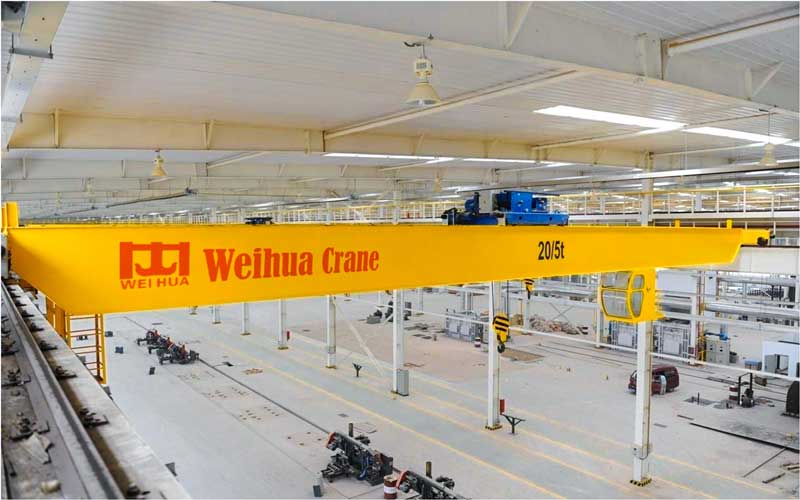
は 3177 デザインに特化した主力のインド規格です, 工事, 分類, 天井走行クレーンとガントリークレーンの性能, 製鉄所専用クレーンを除く. これは、全国のほぼすべての一般産業用 EOT クレーンの基本的なコンプライアンス ベンチマークです。.
IS の主な規定 3177 含む:
実用的な産業用途に向けて, M5 (中程度の負荷) 一般の工場や機械工場に適したグレード, M7とM8の間 (頑丈な) 継続するには成績が必須です 24/7 セメント工場での操業, 発電所, および重製造ユニット.
IS中 3177 設計と製造を管理する, は 807 インドのすべてのクレーンおよびホイストの普遍的な安全および操作規定として機能します。. クレーンの組み立てに関するエンドツーエンドのガイドラインを定めます。, 現場での設置, 機能テスト, 日常業務, そして構造維持管理.
クリティカルIS 807 コンプライアンス規範:
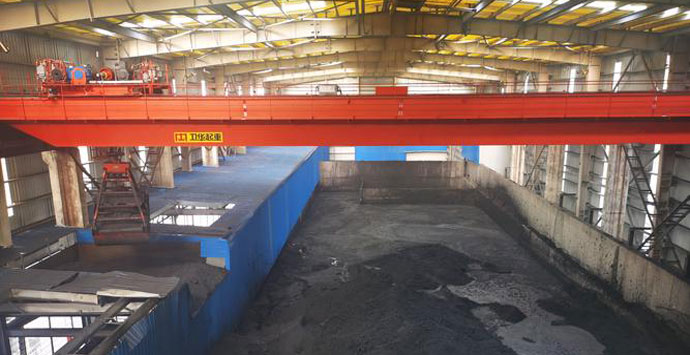
標準的な産業用 EOT クレーンは IS に該当します 3177, 製鉄所に配備されている大型クレーン, 鋳物工場, 高温の産業環境では IS への準拠が必要です 4137. この規格は極端な動作条件に合わせて調整されています, 高温への曝露を含む, 頻繁な高負荷サイクリング, 過酷な産業雰囲気. 構造的な堅牢性を強化します, 耐熱部品, 工場クレーン操作のための高度な安全機能.
BIS IS コードを超えて, インドにおける EOT クレーンの操作は、職場の安全と法令順守を確保するために国の産業安全規制に法的に拘束されています.
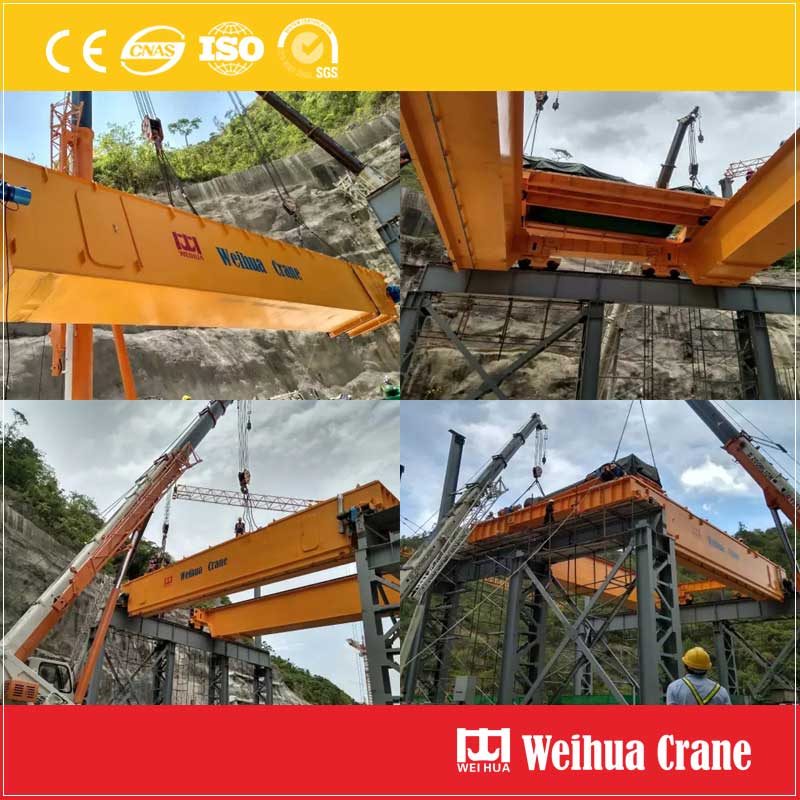
これはインドの工場の巻上機械を管理する主要な法規です. 第三者による検査を義務付ける, 認証, すべての EOT クレーンの操作許可. この法律に従って, すべての EOT クレーンは有効な安全証明書を保持している必要があります, 毎年義務的な検査を受ける, 認定を受けた者のみが操作できること, 労働災害を防止するための訓練を受けた専門家.
インドのISコードは必須ですが, ほとんどの産業用ユニットは信頼性を高めるために国際 ISO 規格を採用しています, 特に輸出志向の多国籍施設向け。ISO 4309 ワイヤーロープの検査に広く採用されています, メンテナンス, そして基準を破棄する, EOT クレーンの重要な吊り上げコンポーネントが世界的な安全ベンチマークを確実に満たすようにする.
インドの EOT クレーン規格の主要なハイライトは、明確な義務分類システムです。, これにより、クレーンの選択の不一致や機器の早期故障が排除されます。. IS で広く採用されている M シリーズ分類 3177 は次のとおりです:
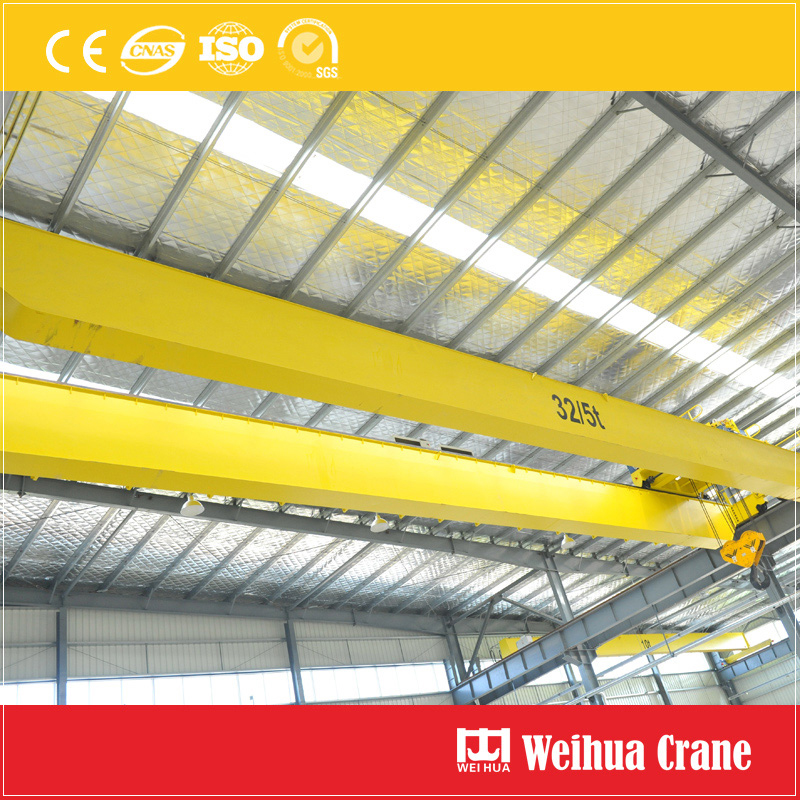
多くの産業経営者は規格への準拠を形式的なものとして見落としています, しかし、IS コードと法的規制を順守することで、長期的に目に見えるメリットがもたらされます。:
を使用するあらゆる産業ビジネス向け, 製造, またはインドでのEOTクレーンの設置, ISへの準拠 3177, は 807, そしてIS 4137 (特殊な用途向け) 交渉不可能です. 工場法の法的要件と組み合わせる, 1948, これらの規格は、信頼性の高い EOT クレーン操作のための包括的な安全性と品質のフレームワークを作成します。. 新しいシングルガーダーワークショップクレーンを調達する場合でも、頑丈な工場グレードの EOT クレーンを導入する場合でも, BIS 規格への準拠を確認することが安全への第一歩です, 法律上の, コスト効率の高いマテリアルハンドリング業務.
私たちはあなたのフィードバックを大切にします! あなたの特定のニーズに合わせてサービスを調整できるように、以下のフォームに記入してください.


最新のコメント