
Menu di navigazione

UN gru a portale (conosciuta anche come gru a bandiera del portale portuale) è montato su binario, gru a bandiera rotante a tutto tondo progettata esclusivamente per operazioni portuali e sul litorale. Presenta una base a portale prominente (telaio a portale a quattro gambe) che si estende sui binari ferroviari costieri o sui passaggi dei camion, consentendo ai veicoli per il trasporto terrestre di passare direttamente sotto la gru senza ostacoli.
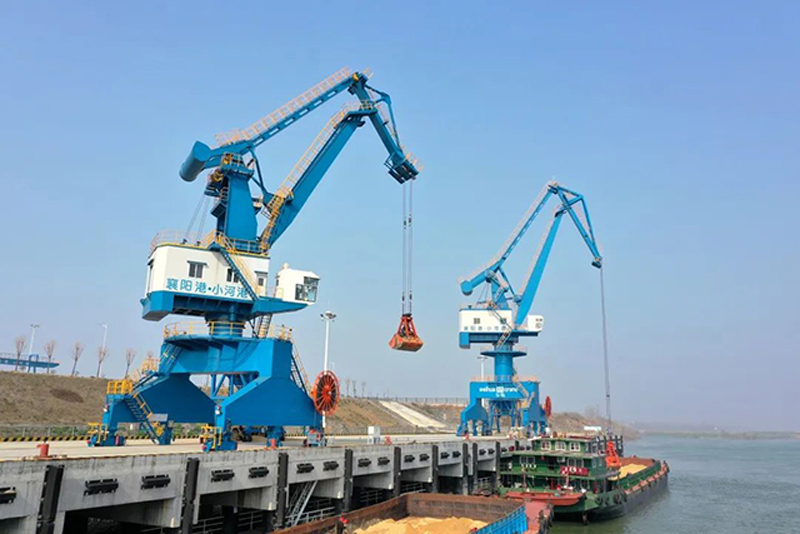
Diverso dalle gru a portale (che si muovono orizzontalmente con una trave diritta) e gru a portale per container, la caratteristica più tipica di una gru a portale è il meccanismo di rotazione del braccio. La sua struttura di sollevamento superiore può ruotare 360 gradi liberamente, rispondendo alle esigenze di carico e scarico delle navi attraccate. Viene utilizzato principalmente per il sollevamento di carichi sfusi, generi alimentari generali, e piccoli contenitori tra navi e terminali costieri, ed è la gru più classica e ampiamente utilizzata nei porti interni e costieri.
La struttura completa di una gru a portale è divisa in un meccanismo di traslazione del portale inferiore e un meccanismo di sollevamento rotante superiore. Ciascun componente principale intraprende un lavoro indipendente e collaborativo per garantire una movimentazione del carico efficiente e sicura:
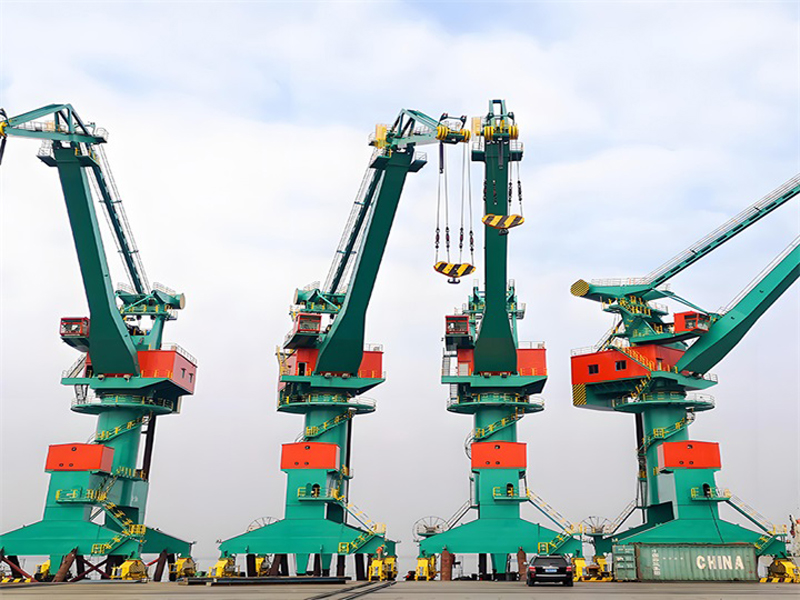
Le gru a portale si basano su tre azioni collaborative fondamentali per completare il carico e lo scarico delle merci a terra, con un flusso di lavoro altamente maturo ed efficiente. Primo, in base alla posizione di attracco della nave e alla distribuzione del carico, la gru si sposta lungo i binari della banchina per bloccare la posizione di lavoro ottimale. Secondo, la piattaforma superiore ruota e il fiocco si inclina per regolare il raggio di lavoro, puntando il gancio di sollevamento verso il carico bersaglio sulla nave.
Finalmente, il sistema di sollevamento solleva il carico in modo stabile, e le strutture rotanti e orzanti cooperano per trasferire il carico dal ponte della nave al veicolo di trasporto a terra, o completare il lavoro di caricamento inverso. La combinazione del camminare, rotazione, l'orzata e il sollevamento consentono alla gru a portale di coprire aree di lavoro a forma di ventaglio e rettangolari lungo il molo, adattandosi perfettamente alla distribuzione irregolare del carico delle navi attraccate.
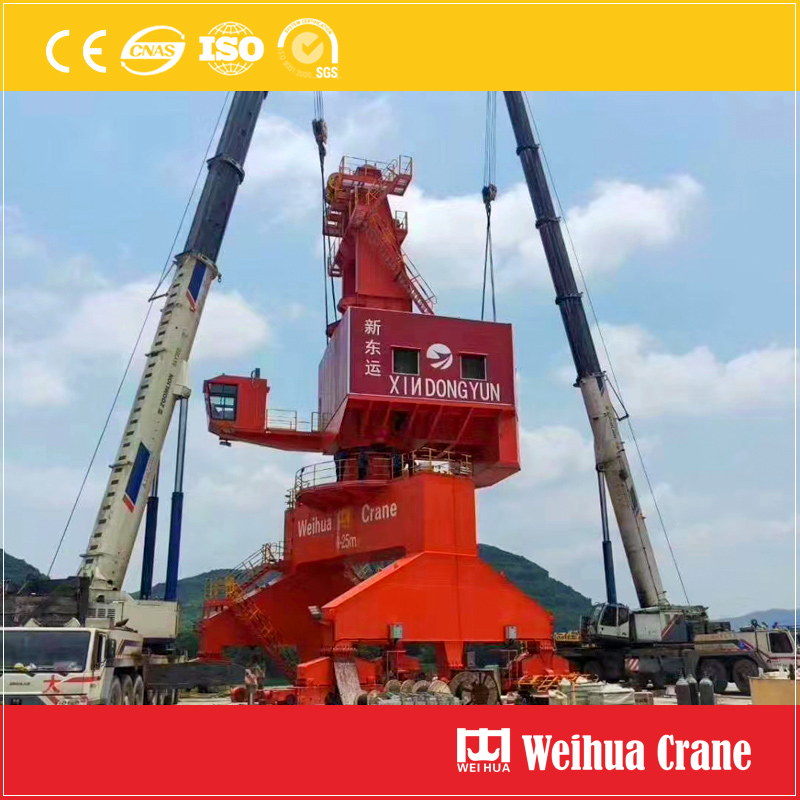
Le gru a portale vengono classificate principalmente in base alla forma strutturale e alle prestazioni lavorative, e i tipi principali sul mercato sono i seguenti:
1. Gru a portale fisse
Questo tipo di gru è fissata sulla fondazione della banchina senza funzione di traslazione. Ha una struttura semplice, basso costo e prestazioni stabili, ed è adatto per terminali fissi di piccole dimensioni, banchine per carico singolo e banchine fluviali interne in acque poco profonde con aree di lavoro fisse.
2. Gru a portale mobili su rotaia
La gru a portale standard più utilizzata. Può muoversi liberamente lungo i binari della banchina, con un ampio campo di lavoro regolabile e una forte flessibilità. È adatto a porti medi e grandi con frequenti attracchi di navi e diversi tipi di carico, e può gestire carichi sfusi, generi alimentari e merci in contenitori leggeri in modo efficiente.
3. Braccio singolo & Gru a portale a doppio braccio
Le gru a portale a braccio singolo sono leggere e flessibili, adatto alla movimentazione di carichi di piccolo tonnellaggio. I modelli a doppio braccio hanno una maggiore efficienza di sollevamento e una maggiore capacità di carico, che può realizzare il funzionamento alternativo di doppi ganci, e sono utilizzati principalmente per grandi porti costieri con un elevato volume di merci.
Come attrezzatura di sollevamento speciale specifica per il porto, le gru a portale sono altamente mirate negli scenari applicativi, concentrandosi sulle operazioni di movimentazione nave-terra sul lungomare:
Q1: Qual è la differenza più grande tra una gru a portale e una gru a portale??
A1: Questo è il punto più confuso per la maggior parte delle persone. Le gru a portale sono gru a braccio rotante per la movimentazione delle navi portuali a terra, con funzioni di rotazione e orzata a 360°, appositamente per il carico delle navi portuali. Le gru a portale sono gru mobili lineari a trave dritta, utilizzato principalmente per officine di fabbrica, accatastamento in piazzale e movimentazione interna del carico, senza funzione di rotazione ad ampio raggio. I loro principi di funzionamento, strutture e scenari applicativi sono completamente diversi.
Q2: Qual è il tonnellaggio di sollevamento abituale di una gru a portale?
A2: Le gru a portale convenzionali per uso portuale generale hanno una capacità di sollevamento di 5 tonnellate a 50 tonnellate, che soddisfa le esigenze di movimentazione della maggior parte delle merci alla rinfusa e dei generi alimentari. I modelli personalizzati di grande tonnellaggio per operazioni portuali pesanti possono raggiungere le 80-100 tonnellate, utilizzato per attrezzature super pesanti e movimentazione di componenti in acciaio di grandi dimensioni.
Q3: Le gru a portale possono essere utilizzate all'interno?
A3: Raramente. Le gru a portale sono attrezzature portuali professionali per esterni di grandi dimensioni con fusoliera alta, ampio campo di lavoro rotante e design strutturale resistente al vento e alla corrosione, che è completamente su misura per gli ambienti portuali all'aperto. Le officine al coperto utilizzano per lo più gru a ponte e piccole gru a portale invece delle gru a portale.
Q4: Quali sono i principali limiti di funzionamento delle gru a portale?
A4: Le gru a portale sono adatte solo per scenari di ormeggio di navi sul lungomare e non possono essere utilizzate per l'accatastamento di piazzali interni di grandi dimensioni. Inoltre, devono smettere di funzionare in condizioni meteorologiche estreme come forti venti sopra il livello 6, forti piogge e tifoni per prevenire il ribaltamento delle attrezzature e la caduta del carico.
Q5: Come mantenere regolarmente una gru a portale?
A5: La manutenzione quotidiana comprende il controllo della tenuta dei fili di acciaio, la flessibilità dei meccanismi di rotazione e di orzata, e la sensibilità dei dispositivi limite di sicurezza. È necessario un trattamento anticorrosione regolare affinché la struttura in acciaio resista all'erosione dell'acqua di mare. L'ispezione generale professionale e la lubrificazione degli organi di trasmissione devono essere effettuate ogni 6 mesi per garantire un funzionamento stabile.
Q6: Perché le gru a portale sono ancora ampiamente utilizzate nonostante le gru per container?
A6: Le gru per container sono adatte solo per la movimentazione di container standard, mentre le gru a portale hanno una maggiore versatilità. Possono gestire carichi sfusi, generi alimentari, acciaio e merci di forma speciale a cui le gru per container non possono adattarsi, e costituiscono l'attrezzatura essenziale per i porti mercantili misti e i terminali fluviali interni.
Come macchinario portuale professionale e classico, le gru a portale occupano una posizione insostituibile nella movimentazione delle merci sul lungomare. La sua esclusiva struttura rotante e la modalità di lavoro adattata alla riva ne fanno l'attrezzatura preferita per il trasporto di merci sfuse e generiche in vari porti di tutto il mondo. Comprenderne le caratteristiche strutturali e gli scenari applicativi può aiutarci a riconoscere meglio la logica operativa efficiente dei moderni sistemi logistici portuali.
Apprezziamo il tuo feedback! Completa il modulo sottostante in modo da poter personalizzare i nostri servizi alle tue esigenze specifiche.


Fai clic sul pulsante per ottenere informazioni sul prodotto e citazioni su WhatsApp.
Ottieni una citazione
Ultimi commenti