
Menu navigasi

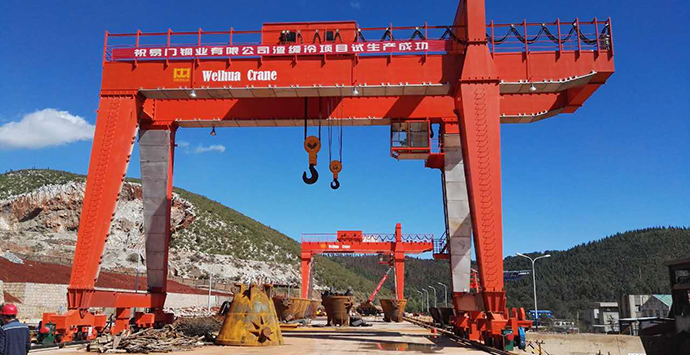
A derek portal (juga dikenal sebagai port portal jib crane) adalah yang dipasang di rel, jib crane berputar lingkaran penuh yang dirancang khusus untuk pengoperasian pelabuhan dan tepi laut. Ini menampilkan basis portal yang menonjol (bingkai portal berkaki empat) yang membentang di atas rel kereta api atau jalur truk di pantai, memungkinkan kendaraan angkutan darat lewat langsung di bawah derek tanpa hambatan.
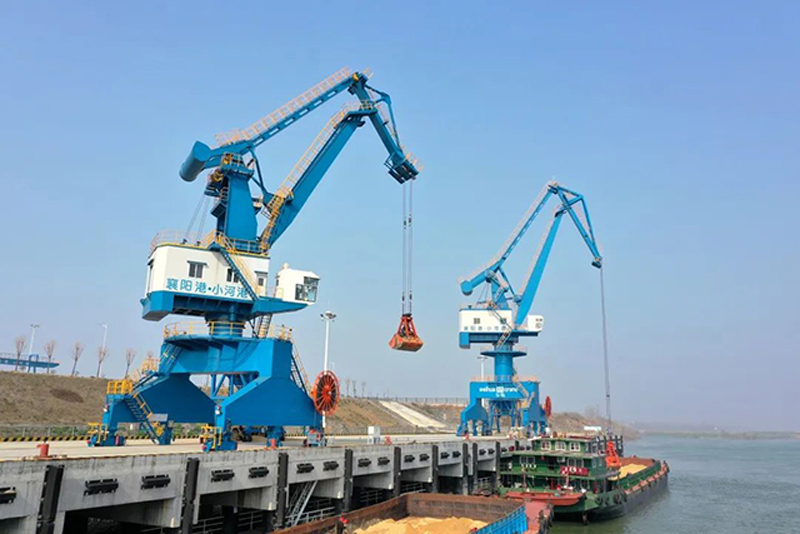
Berbeda dengan gantry crane (yang bergerak secara horizontal dengan balok lurus) dan derek gantry kontainer, fitur paling khas dari portal crane adalah mekanisme jib rotasinya. Struktur pengangkat atasnya dapat berputar 360 derajat dengan bebas, mencocokkan kebutuhan bongkar muat kapal yang berlabuh. Hal ini terutama digunakan untuk mengangkat kargo curah, bahan makanan umum, dan kontainer kecil antara kapal dan terminal pantai, dan merupakan crane paling klasik dan banyak digunakan di pelabuhan pedalaman dan pesisir.
Struktur lengkap derek portal dibagi menjadi mekanisme perjalanan portal bawah dan mekanisme pengangkatan berputar atas. Setiap komponen inti melakukan kerja independen dan kolaboratif untuk memastikan penanganan kargo yang efisien dan aman:
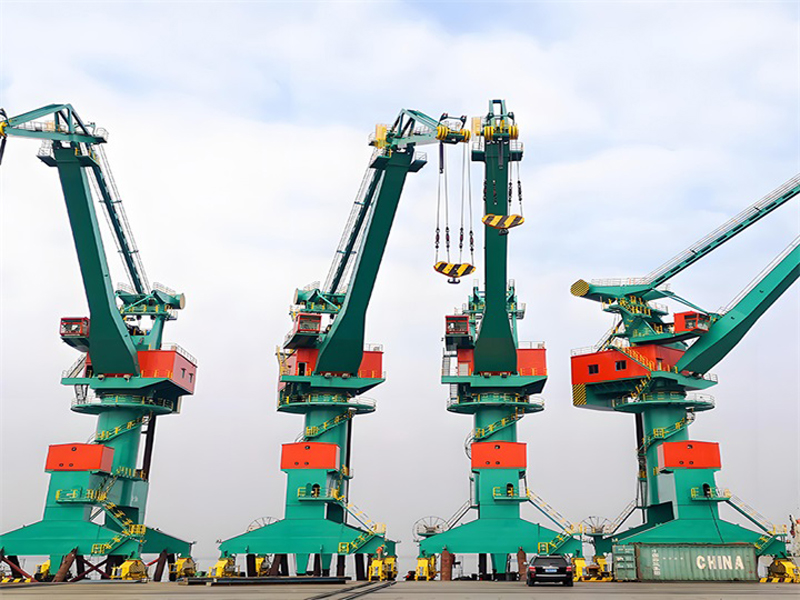
Portal crane mengandalkan tiga tindakan kolaboratif inti untuk menyelesaikan pemuatan dan pembongkaran kargo di darat, dengan alur kerja yang sangat matang dan efisien. Pertama, sesuai dengan posisi sandar kapal dan distribusi muatannya, derek bergerak di sepanjang rel dermaga untuk mengunci posisi kerja yang optimal. Kedua, platform atas berputar dan jib bergerak untuk menyesuaikan radius kerja, mengarahkan kait pengangkat ke sasaran muatan di kapal.
Akhirnya, sistem kerekan mengangkat muatan dengan stabil, dan struktur putar dan luffing bekerja sama untuk memindahkan muatan dari dek kapal ke kendaraan pengangkut pantai, atau menyelesaikan pekerjaan pemuatan terbalik. Kombinasi jalan kaki, rotasi, luffing dan pengangkatan memungkinkan portal crane menutupi area kerja berbentuk kipas dan persegi panjang di sepanjang dermaga, beradaptasi sempurna dengan distribusi kargo kapal yang berlabuh tidak teratur.
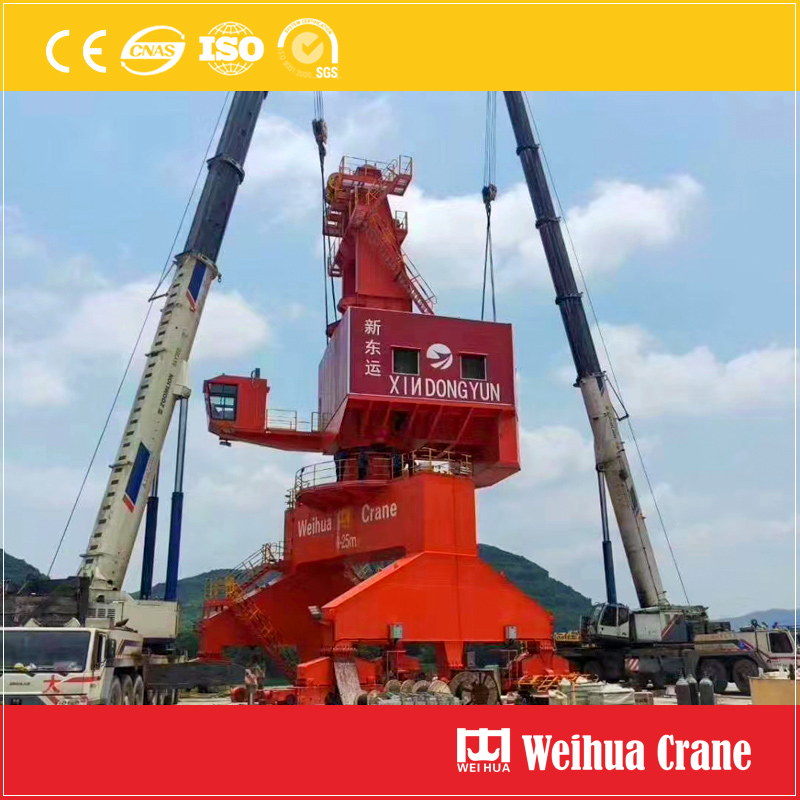
Portal crane terutama diklasifikasikan berdasarkan bentuk struktural dan kinerja kerja, dan tipe mainstream yang ada dipasaran adalah sebagai berikut:
1. Memperbaiki Portal Crane
Crane jenis ini dipasang pada pondasi dermaga tanpa fungsi perjalanan. Ini memiliki struktur sederhana, biaya rendah dan kinerja stabil, dan cocok untuk terminal tetap kecil, tempat berlabuh kargo tunggal dan dermaga perairan dangkal sungai pedalaman dengan jangkauan kerja tetap.
2. Derek Portal yang Dipasang di Rel Bergerak
Derek portal standar yang paling banyak digunakan. Itu bisa bergerak bebas di sepanjang rel dermaga, dengan jangkauan kerja besar yang dapat disesuaikan dan fleksibilitas yang kuat. Sangat cocok untuk pelabuhan menengah dan besar dengan seringnya kapal berlabuh dan jenis kargo yang beragam, dan dapat menangani kargo curah, bahan makanan dan barang kontainer ringan secara efisien.
3. Jib Tunggal & Derek Portal Jib Ganda
Derek portal jib tunggal ringan dan fleksibel, cocok untuk penanganan kargo bertonase kecil. Model jib ganda memiliki efisiensi pengangkatan yang lebih tinggi dan kapasitas beban yang lebih besar, yang dapat mewujudkan operasi alternatif kait ganda, dan sebagian besar digunakan untuk pelabuhan pantai besar dengan arus kargo yang tinggi.
Sebagai alat pengangkat khusus pelabuhan, portal crane sangat ditargetkan dalam skenario aplikasi, berfokus pada operasi penanganan kapal di tepi laut:
Q1: Apa perbedaan terbesar antara portal crane dan gantry crane?
A1: Ini adalah hal yang paling membingungkan bagi kebanyakan orang. Portal crane adalah jib crane yang berputar untuk penanganan kapal di pelabuhan, dengan fungsi putar dan luffing 360°, khusus untuk kargo kapal dermaga. Gantry crane adalah crane bergerak linier dengan balok lurus, terutama digunakan untuk bengkel pabrik, penumpukan halaman dan penanganan kargo darat, tanpa fungsi rotasi jarak jauh. Prinsip kerja mereka, struktur dan skenario aplikasi sangat berbeda.
Q2: Berapa tonase pengangkatan portal crane yang biasa?
A2: Derek portal konvensional untuk penggunaan pelabuhan umum memiliki kapasitas angkat 5 ton ke 50 ton, yang memenuhi kebutuhan penanganan sebagian besar kargo curah dan bahan makanan. Model tonase besar yang disesuaikan untuk pengoperasian pelabuhan berat dapat mencapai 80–100 ton, digunakan untuk peralatan super berat dan penanganan komponen baja besar.
Q3: Dapatkah portal crane digunakan di dalam ruangan?
A3: Jarang. Derek portal adalah peralatan pelabuhan profesional luar ruangan berskala besar dengan badan pesawat yang tinggi, rentang kerja berputar yang besar dan desain struktural yang tahan angin dan tahan korosi, yang sepenuhnya disesuaikan untuk lingkungan dermaga terbuka. Bengkel dalam ruangan kebanyakan menggunakan derek di atas kepala dan derek gantri kecil daripada derek portal.
Q4: Apa batasan kerja utama portal crane?
A4: Derek portal hanya cocok untuk skenario berlabuh kapal di tepi laut dan tidak dapat digunakan untuk penumpukan halaman di area luas di daratan. Selain itu, mereka harus berhenti bekerja dalam cuaca ekstrem seperti angin kencang di atas permukaan tanah 6, hujan lebat dan angin topan untuk mencegah peralatan miring dan kecelakaan muatan jatuh.
Q5: Cara merawat portal crane secara rutin?
A5: Perawatan harian termasuk memeriksa kekencangan kabel baja, fleksibilitas mekanisme rotasi dan luffing, dan sensitivitas perangkat batas keamanan. Perawatan anti korosi secara teratur diperlukan agar struktur baja dapat menahan erosi air laut. Inspeksi keseluruhan dan pelumasan bagian transmisi secara profesional harus dilakukan setiap saat 6 bulan untuk memastikan operasi yang stabil.
Q6: Mengapa portal crane masih banyak digunakan meskipun ada container crane??
A6: Derek peti kemas hanya cocok untuk penanganan peti kemas standar, sedangkan derek portal memiliki keserbagunaan yang lebih kuat. Mereka dapat menangani kargo curah, bahan makanan, baja dan barang berbentuk khusus yang tidak dapat diadaptasi oleh derek kontainer, dan merupakan peralatan inti penting untuk pelabuhan kargo campuran dan terminal sungai pedalaman.
Sebagai mesin pelabuhan yang profesional dan klasik, portal crane menempati posisi yang tak tergantikan dalam penanganan kargo tepi laut. Struktur luffing putarnya yang unik dan mode kerja pencocokan kapal-pantai menjadikannya peralatan pilihan untuk transportasi kargo curah dan umum di berbagai pelabuhan di seluruh dunia.. Memahami karakteristik struktural dan skenario penerapannya dapat membantu kita lebih mengenali logika operasi efisien sistem logistik pelabuhan modern.
Kami menghargai tanggapan Anda! Harap lengkapi formulir di bawah ini sehingga kami dapat menyesuaikan layanan kami dengan kebutuhan spesifik Anda.


Klik tombol untuk mendapatkan informasi produk dan kutipan di whatsapp.
Dapatkan penawaran
Komentar terbaru