
Menu de navigation

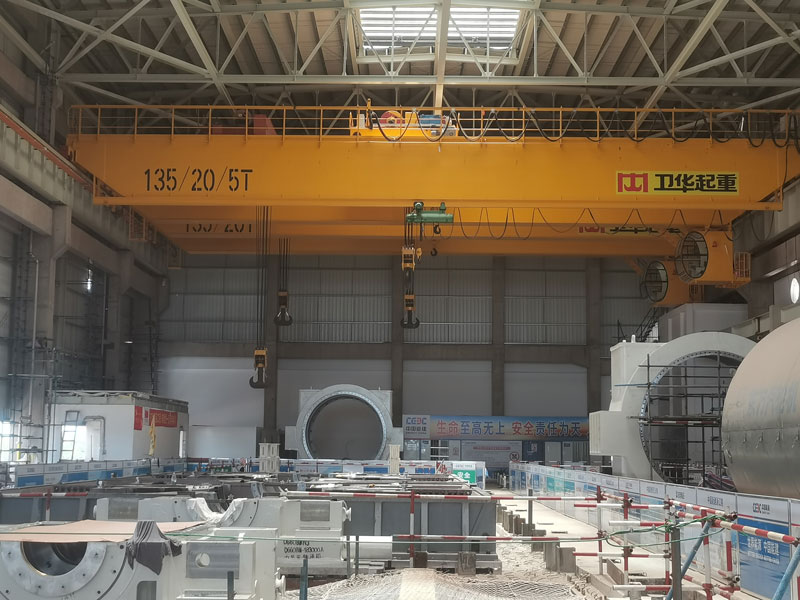
Choosing overhead crane capacity is the most critical step when buying an electric overhead travelling crane (Grue EOT). Many workshop owners only check the weight of workpieces and ignore rigging weight, dynamic load and crane duty cycle. Picking the wrong overhead crane tonnage leads to safety risks, frequent breakdowns or unnecessary high investment. This guide explains how to calculate overhead crane required capacity step by step for manufacturing, entrepôt, steel fabrication and workshop lifting jobs.
Before calculating your overhead crane lifting capacity, you need to clarify two common terms: rated capacity and working load limit.
Pont roulant rated capacity is the maximum load the crane is designed to lift under standard conditions, printed on the crane nameplate. Wll (Limite de chargement de travail, also called SWL Safe Working Load) means the safe load limit in actual site operation.
A common mistake: buyers think rated capacity only covers the product itself. En fait, overhead crane capacity must carry the total suspended load, not just the workpiece weight.
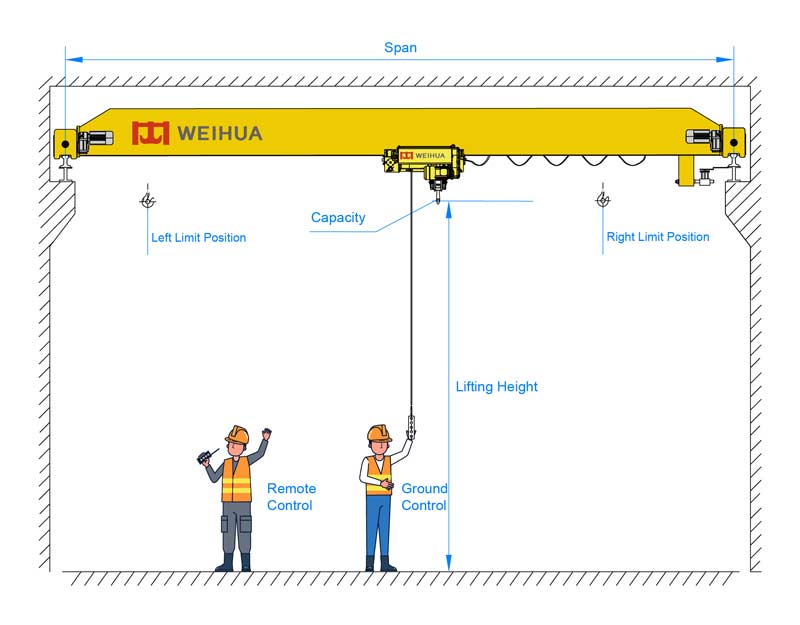
When you work out what tonnage overhead crane you need, list all items hanging under the hook:
Exemple: If your mould weighs 8 tonne, and the spreader beam plus slings weigh 1 tonne, your static total load is 9 ton already. If you only buy a 8 grue au-dessus de tonne, you will overload the crane directly.
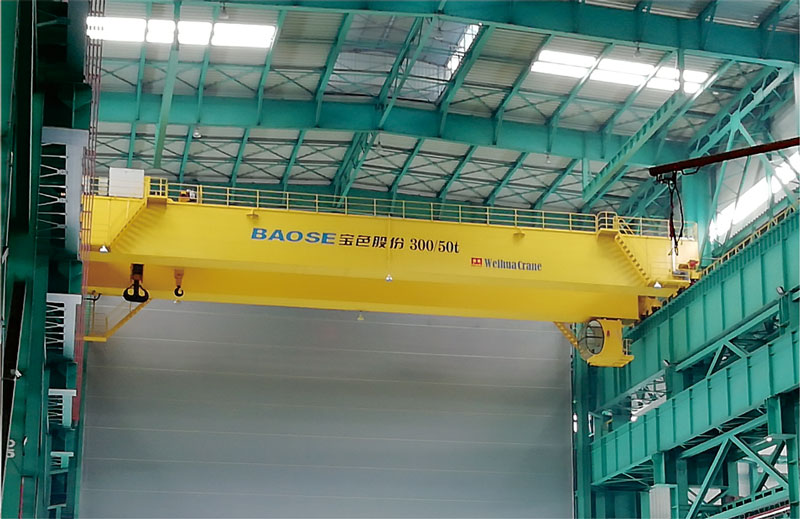
Load swing, accélération, sudden start and stop will create extra dynamic load during hoisting. That is why you should not match crane capacity exactly to your static load.
For general indoor workshop overhead cranes, most crane engineers recommend a 15% à 25% safety margin on top of your total suspended load. Pour les travaux lourds, high-frequency lifting or outdoor lifting environments, use a larger safety factor up to 30%.
Quick formula for overhead crane capacity calculation: Required crane capacity = (max workpiece weight + below-the-hook accessories weight) × safety factor
This rule helps you avoid one of the most frequent overhead crane sizing mistakes: underrating the crane for dynamic impact.
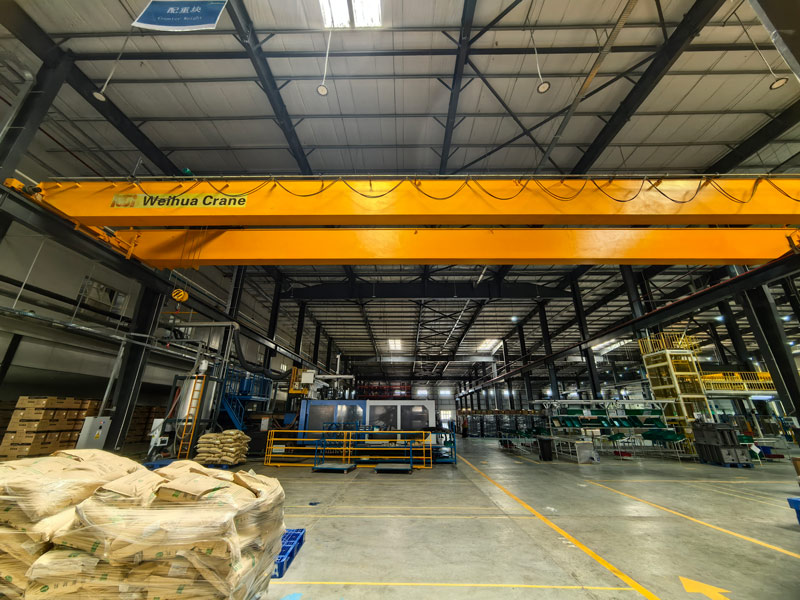
The same 10 grue au-dessus de tonne behaves differently under light use vs continuous multi-shift use. CMAA or FEM duty classification decides how often you can lift near the rated capacity safely.
If you lift the maximum load occasionally, a standard A3 / M3 overhead crane works well. If you lift near full tonnage every hour, two or three shifts per day, you need a higher duty class such as A5, A6 or A7, even if the calculated load stays the same.
A light-duty crane running constantly at near-rated capacity will wear hoist, wire rope and brake quickly, even if the static load is within the nameplate capacity. So lifting frequency is a must-check factor when selecting overhead crane tonnage.
A lot of customers overlook this point: the overhead crane rated capacity is valid for its designed span. Longer span overhead cranes have lower effective load performance.
Even if you calculate the required lifting tonnage correctly, your existing building runway beam, support columns and floor foundation may not support the wheel load from a heavier overhead crane. Before confirming crane capacity, ask your structural engineer to verify runway load capacity, not only the hoist lifting capacity.
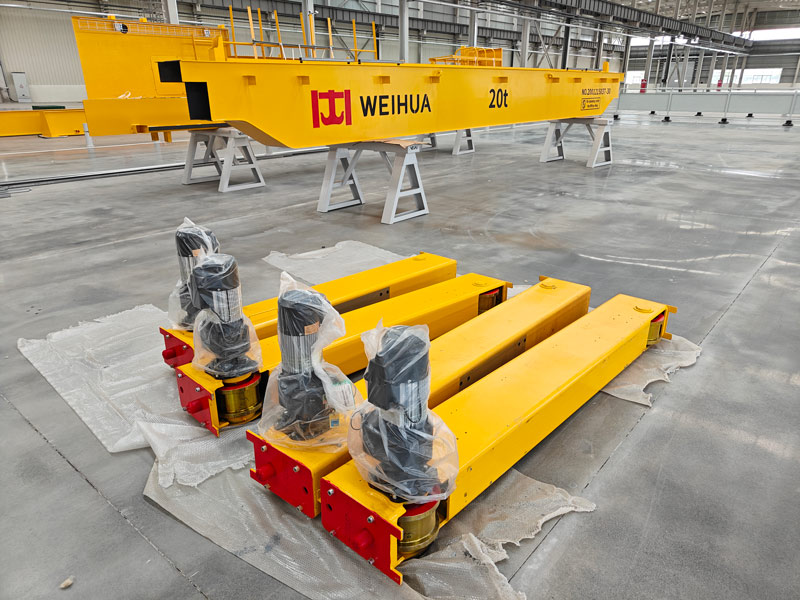
When selecting overhead crane capacity, think about your production roadmap.
But avoid blind over-sizing. Buying a much larger overhead crane than needed increases equipment cost, runway reinforcement cost, power consumption and maintenance expense. Oversized overhead cranes also move slower and waste workshop space. The best practice is to reserve reasonable extra capacity based on confirmed future orders, not guesswork.
Q1: How many tons overhead crane do I need for my factory?
A1: Sum the heaviest workpiece plus all lifting attachments, add a 15–25% safety margin, then confirm duty class and runway beam capacity. That final figure is your target overhead crane tonnage.
Q2: Can an overhead crane lift its rated capacity all day long?
A2: Not always. Light-duty overhead cranes are designed for occasional max-load lifts. Continuous lifting at rated capacity requires medium or heavy duty classification.
Q3: What is the difference between single girder and double girder overhead crane capacity?
A3: Single girder overhead cranes usually cover lighter capacity (0.5 tonne ~ 20 tonne). Double girder overhead cranes support larger tonnage, higher lifting height and heavy-duty working conditions from 10 ton up to hundreds of tons.
✅ Record maximum total suspended load (workpiece + all below-hook tools)
✅ Apply safety margin for dynamic load
✅ Confirm lifting frequency and duty class
✅ Verify crane span, lifting height and runway beam load
✅ Evaluate future load growth and avoid over-specification
✅ Ask the crane supplier for load chart and duty class certificate
How to choose overhead crane capacity is not just picking a ton number. Correct overhead crane capacity selection combines total suspended load calculation, dynamic safety factor, cycle de service, span and building structural limits. When you get these parameters right, your EOT crane will run safely, extend service life and match your material handling budget.
Nous apprécions vos commentaires! Veuillez remplir le formulaire ci-dessous afin que nous puissions adapter nos services à vos besoins spécifiques.


Cliquez sur le bouton pour obtenir des informations et des citations de produits sur WhatsApp.
Obtenez un devis
Dernières commentaires