Overhead crane installation is a critical process that demands precision, adherence to safety standards, and strict compliance with industry regulations. Whether for manufacturing facilities, warehouses, or construction sites, proper installation ensures the crane operates efficiently, minimizes downtime, and protects workers from potential hazards. This guide breaks down the essential overhead crane installation steps, covering pre-installation preparations, core procedures, and post-installation verification to help you achieve a successful setup.

Pre-Installation Preparation: Lay the Groundwork for Success
Before initiating overhead crane installation, thorough preparation is non-negotiable to avoid delays, safety risks, or costly rework.
1.1 Site Assessment & Readiness
- Evaluate the installation area to confirm structural capacity (e.g., beam strength, floor load-bearing capacity) meets the crane’s specifications.
- Clear the site of debris, obstacles, or personnel not involved in the installation to create a safe workspace.
- Verify access for heavy equipment (e.g., forklifts, cranes) needed to transport and position crane components.
1.2 Equipment & Documentation Review
- Inspect all crane components (hoist, trolley, bridge, rails, motors, and controls) for damage, missing parts, or manufacturing defects.
- Gather and review critical documents: crane technical drawings, load capacity certificates, local building codes, and OSHA/ANSI standards (e.g., ANSI B30.2 for overhead and gantry cranes).
- Ensure all installation team members are certified, trained, and familiar with the crane’s design and safety protocols.
1.3 Tools & Safety Gear Preparation
- Assemble necessary tools: laser levels, torque wrenches, bolt cutters, wiring tools, and lifting equipment (e.g., chain hoists, slings).
- Equip the team with PPE (personal protective equipment): hard hats, safety harnesses, gloves, eye protection, and steel-toe boots.
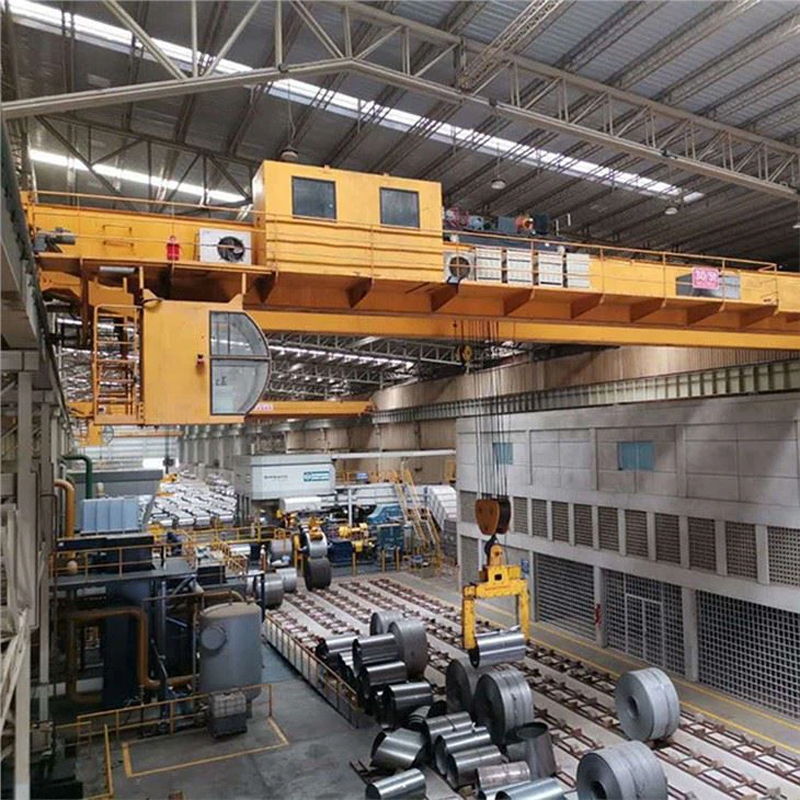
Core Overhead Crane Installation Steps
Follow these sequential steps to install the overhead crane correctly,
prioritizing precision and safety at every stage.
1. Rail Installation
- Mark the rail alignment on the supporting beams using laser levels to ensure straightness and proper elevation.
- Secure rail clips, brackets, or fasteners to the beams, tightening them to the manufacturer’s torque specifications.
- Verify rail spacing (gauge) matches the crane’s bridge width, and check for smooth joints to prevent trolley jamming.
2. Bridge Assembly & Placement
- Assemble the crane bridge (main girder) on a stable surface, attaching end trucks and trolley rails.
- Use a mobile crane or rigging equipment to lift the bridge and position it onto the installed rails.
- Ensure the bridge is level and aligned, adjusting end trucks if necessary to avoid binding during movement.
3. Trolley & Hoist Installation
- Mount the trolley onto the bridge’s rails, ensuring it rolls smoothly without friction or misalignment.
- Attach the hoist to the trolley, securing all bolts and connections per the manufacturer’s guidelines.
- Connect hoist cables or chains, inspecting for kinks, wear, or damage before proceeding.
4. Electrical Wiring & Connection
- Route electrical cables from the power source to the crane’s control panel, trolley, and hoist.
- Follow wiring diagrams to connect motors, limit switches, emergency stops, and control systems.
- Test electrical connections for continuity, grounding, and proper voltage to avoid short circuits or equipment failure.
5. Safety Device Installation
- Install critical safety components: overload limiters, travel limit switches (bridge and trolley), emergency stop buttons, and anti-collision devices (if applicable).
- Ensure safety devices are calibrated to function correctly—e.g., overload limiters should trigger at 110-125% of the crane’s rated capacity.
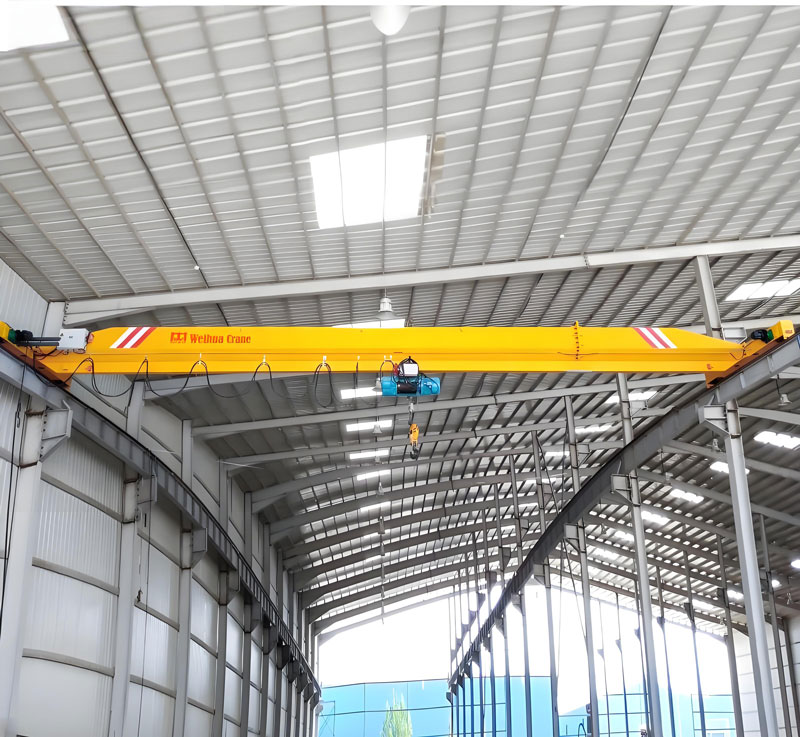
Commissioning & Post-Installation Inspection
After physical installation, thorough testing and inspection are required to confirm the crane is safe and operational.
Functional Testing
- Conduct no-load tests: Operate the bridge, trolley, and hoist through full ranges of motion to check for smooth movement and proper alignment.
- Perform load tests: Gradually apply loads up to the crane’s rated capacity (and 125% for overload testing, if required by regulations) to verify stability and lifting performance.
- Test safety devices: Trigger limit switches, emergency stops, and overload limiters to ensure they deactivate the crane as intended.
Compliance & Documentation
- Have a certified inspector review the installation to confirm compliance with local codes, OSHA/ANSI standards, and manufacturer requirements.
- Document all test results, inspections, and modifications in a permanent record for future reference and regulatory audits.
- Train operators on crane operation, safety protocols, and emergency procedures before the crane is put into service.
Key Safety & Compliance Guidelines for Overhead Crane Installation
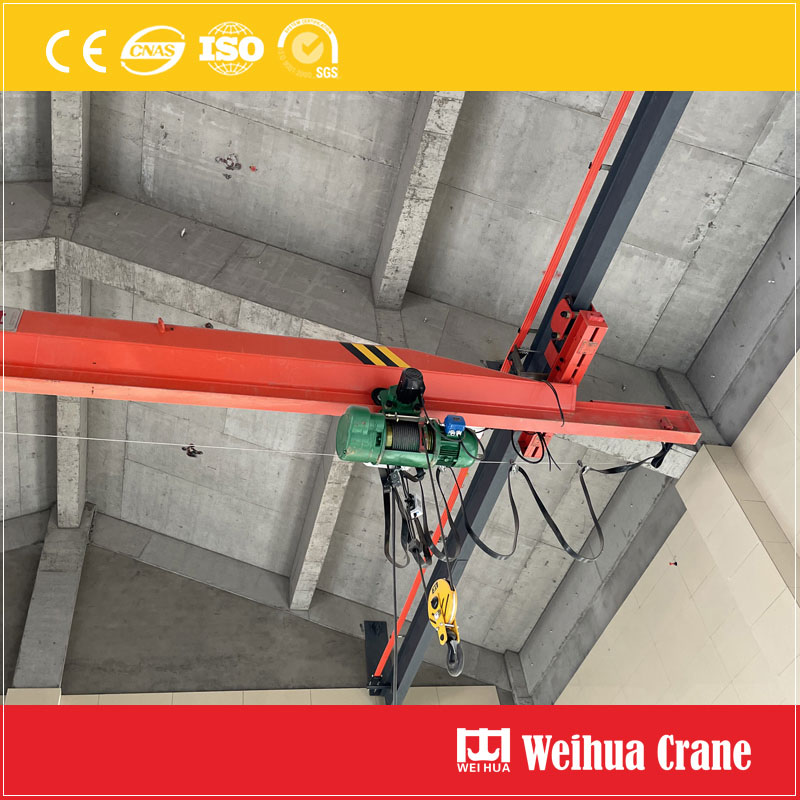
- 1. Never rush installation—skipping steps or cutting corners increases the risk of structural failure or accidents.
- 2. Only use certified, trained personnel for installation, rigging, and electrical work.
- 3. Adhere to load limits during installation (e.g., when lifting the bridge or components) to avoid overloading rigging equipment.
- 4. Follow lockout-tagout (LOTO) procedures when working on electrical systems or moving parts.
FAQs About Overhead Crane Installation
Q1: How long does overhead crane installation take?
A: Timeline varies by crane size and complexity—small single girder overhead crane may take 1-3 days, while large double girder overhead crane can take 1-2 weeks.
Q2: Do I need permits for overhead crane installation?
A: Yes, most regions require building permits and inspections to ensure compliance with structural and safety codes.
Q3: Can I install an overhead crane myself?
A: No—overhead crane installation requires specialized training, equipment, and knowledge of regulations. Always hire a certified installation team.
Conclusion
Proper overhead crane installation is a multi-step process that combines careful preparation, precise execution, and rigorous testing. By following these steps and prioritizing safety and compliance, you can ensure your overhead crane operates reliably, protects workers, and meets all industry standards. For complex installations or custom crane systems, partnering with an experienced overhead crane installation provider is highly recommended to avoid errors and ensure long-term performance.
Share with PDF: Download





Latest Comments