
Navigation Menu

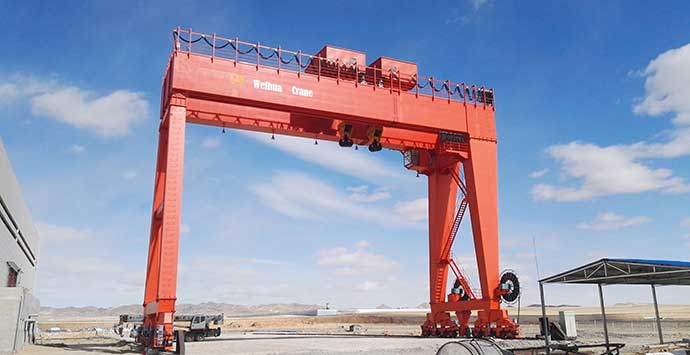
Outdoor gantry cranes are the backbone of open-air material handling operations, widely used in ports, construction yards, steel factories, and logistics terminals. Unlike indoor lifting equipment, these cranes operate continuously under fully exposed environmental conditions, facing relentless challenges from wind, rain, UV radiation, humidity, and salt spray. In this context, outdoor gantry crane weather resistance is no longer an optional upgrade but a core performance indicator that determines operational safety, service life, and overall project profitability.
A weather-resistant gantry crane can withstand harsh natural elements, minimize weather-related downtime, and cut long-term maintenance costs. In contrast, equipment lacking reliable weather resistance is prone to rust, structural deformation, electrical failure, and even safety accidents in extreme weather. This blog will break down the core weather threats to outdoor gantry cranes, essential weather-resistant design features, and practical maintenance strategies to help users maximize equipment value in complex outdoor scenarios.
Outdoor working environments bring diverse and persistent weather-related damages that erode crane performance day by day. Understanding these threats is the first step to optimizing weather resistance.
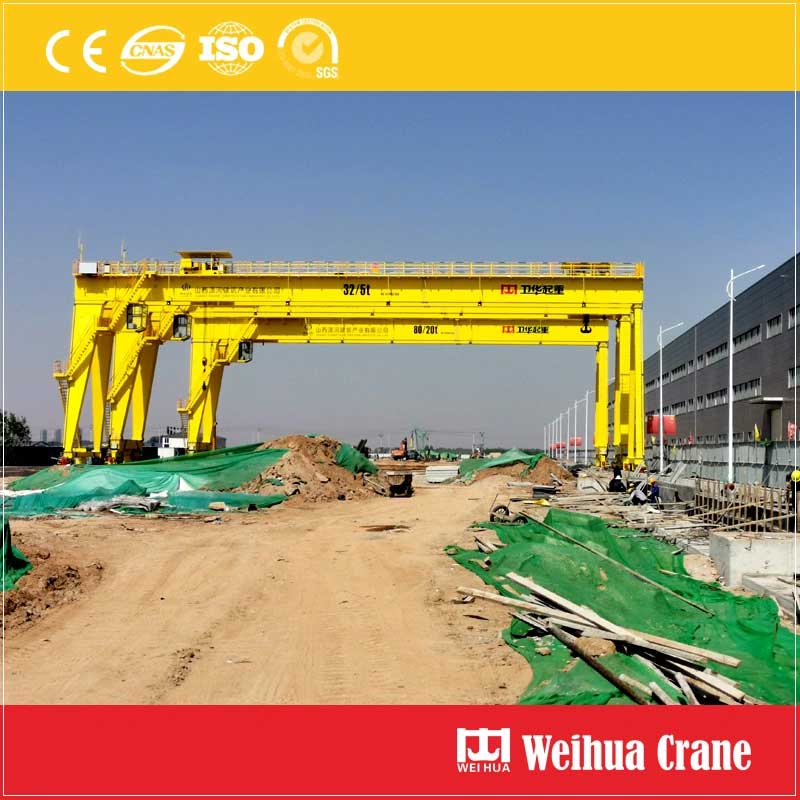
Wind is the most dangerous natural hazard for outdoor gantry cranes. With large-span steel structures and high overall height, gantry cranes bear huge lateral wind pressure during gusts or storms. Without effective wind-resistant designs, the equipment may experience track deviation, derailment, structural sway, or even overall toppling, posing fatal risks to on-site personnel and assets. Coastal and open-area worksites are particularly vulnerable to seasonal typhoons and strong wind gusts.
Long-term exposure to rainfall and high humidity accelerates the oxidation and rusting of steel structures. Weld seams, bolt joints, and crane legs—areas prone to moisture accumulation—are the first to suffer corrosion. For coastal operation sites, salt spray in the air intensifies electrochemical corrosion, rapidly damaging unprotected steel surfaces, mechanical parts, and metal fasteners, which weakens structural stability over time.
Prolonged direct sunlight delivers intense UV radiation, which gradually ages and fades surface protective coatings, causing paint peeling and chalking. Extreme temperature changes—high heat in summer and low temperature or frost in winter—also lead to thermal expansion and contraction of steel and electrical components, accelerating material fatigue, seal aging, and circuit failure.
Reliable outdoor gantry crane weather resistance relies on systematic engineering design, covering structural optimization, surface protection, electrical sealing, and professional wind-resistant configurations. High-quality manufacturers integrate these features to adapt cranes to all-weather outdoor operation.
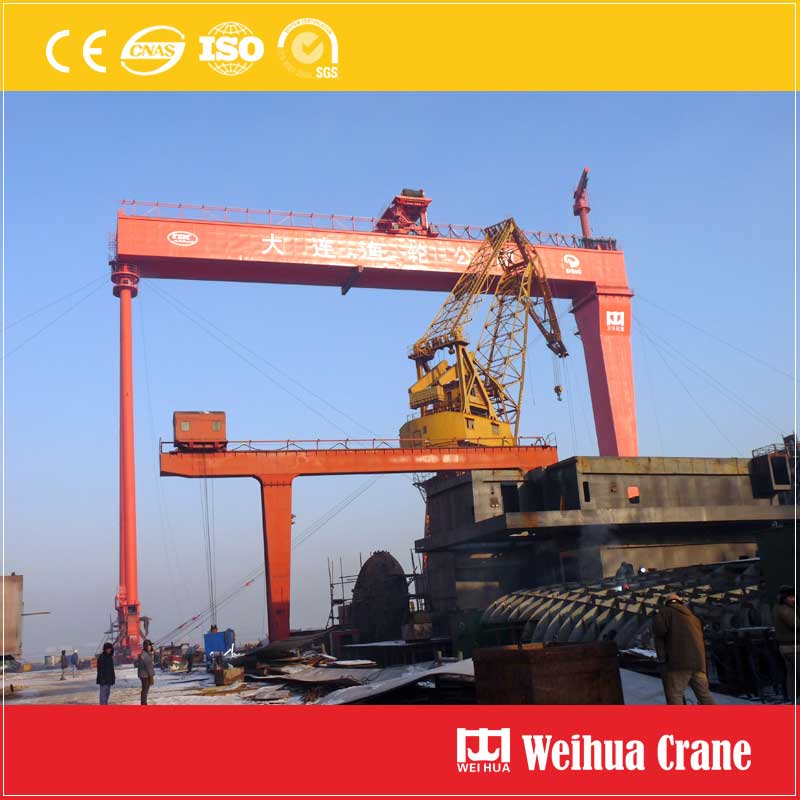
The surface coating system is the first line of defense against weather erosion. Standard weather-resistant gantry cranes adopt a three-layer protective structure: anti-rust primer, intermediate coating, and weather-resistant topcoat. This layered system greatly enhances barrier performance against rain, oxygen, and industrial dust. For harsh environments such as coastal ports and chemical yards, manufacturers apply marine-grade paint or hot-dip galvanizing treatment on key components. These treatments effectively resist salt spray corrosion, prevent rust formation on steel surfaces, and maintain structural integrity for decades. Key vulnerable parts, including welds, edges, and lower crane legs, receive enhanced coating thickness to avoid localized corrosion damage.
To cope with strong winds and storms, qualified outdoor gantry cranes are equipped with standardized wind-resistant configurations. Truss girder structures are widely adopted to reduce wind resistance contact area, improving overall structural stability and enabling resistance against Level 10 strong winds. Meanwhile, essential wind-proof accessories including rail clamps, iron wedges, storm locks, and anchor devices are installed. When extreme weather is approaching, operators can fix the crane on the track through these devices to prevent sliding or derailment. Some advanced models are also equipped with automated wind speed monitoring systems, which issue real-time alerts when wind speed exceeds the safe threshold to stop operation in advance.
Electrical failure caused by water ingress and moisture is one of the most common weather-related faults of outdoor cranes. Weather-resistant gantry cranes adopt fully sealed electrical cabinets, waterproof motor enclosures, and insulated cable protection designs. All electrical components meet high IP weatherproof ratings, effectively blocking rainwater, dew, and dust from entering the circuit system. This prevents short circuits, motor burnout, and control failure in rainy, foggy, and humid weather, ensuring stable electrical operation throughout the year.
Premium weather-resistant cranes use UV-resistant and aging-resistant rubber seals, cables, and buffer parts to adapt to long-term sunlight exposure and temperature changes. The steel structure adopts low-temperature resistant materials for cold-region worksites to avoid brittle fracture in freezing weather. These targeted material upgrades eliminate performance degradation caused by seasonal temperature changes and environmental aging.
Excellent factory design lays a solid foundation for weather resistance, but daily scientific maintenance is the key to maintaining long-term stable performance. Even high-grade weather-resistant cranes will suffer performance attenuation without regular upkeep.
First, conduct regular surface inspection and coating maintenance. Check for paint peeling, chalking, and rust spots on the crane’s steel structure every month, especially at welds and contact parts. Repair and repaint damaged coatings in a timely manner to avoid corrosion spread. For coastal cranes, increase cleaning frequency to remove surface salt deposits.
Second, inspect wind-resistant devices regularly. Test the flexibility and locking effect of rail clamps, anchor devices, and wind wedges before each storm season to ensure they can work normally in extreme weather. Keep the track surface clean and flat to guarantee stable locking of wind-resistant equipment.
Third, strengthen electrical system protection. Regularly check the tightness of electrical cabinet seals and cable interfaces, remove internal moisture and dust, and replace aging sealing strips in time. In rainy and humid seasons, add dehumidification measures to electrical cabinets to prevent circuit damp failure.
Finally, implement standardized weather emergency management. Formulate a complete weather response plan: stop operation in advance, park the crane in the designated storm parking area, and fix all wind-resistant devices when encountering strong winds, heavy rain, or typhoons. Avoid blind operation in bad weather to eliminate safety hazards.
Many users tend to focus only on lifting capacity and span when purchasing gantry cranes, ignoring weather resistance performance. In fact, weather resistance directly determines the total cost of equipment operation. Weather-resistant outdoor gantry cranes feature lower corrosion failure rates, fewer weather-induced shutdowns, and longer service life, greatly reducing later maintenance, replacement, and downtime losses.
For long-term outdoor operation, a weather-resistant gantry crane is not a cost burden but a high-return investment. It ensures continuous and stable operation of lifting work in all seasons and all weather conditions, maximizes worksite productivity, and avoids safety accidents and economic losses caused by weather damage.
Outdoor gantry crane weather resistance is a comprehensive capability integrating structural design, material selection, surface protection, and daily maintenance. Facing complex and changeable outdoor weather, only cranes with professional weather-resistant design and standardized maintenance can maintain stable performance, extend service life, and ensure operational safety.
Whether you are purchasing a new outdoor gantry crane or optimizing the maintenance of existing equipment, taking weather resistance as a core priority will help you build a more durable, safer, and more efficient outdoor lifting system.
We value your feedback! Please complete the form below so that we can tailor our services to your specific needs.


Latest Comments