
Navigation Menu

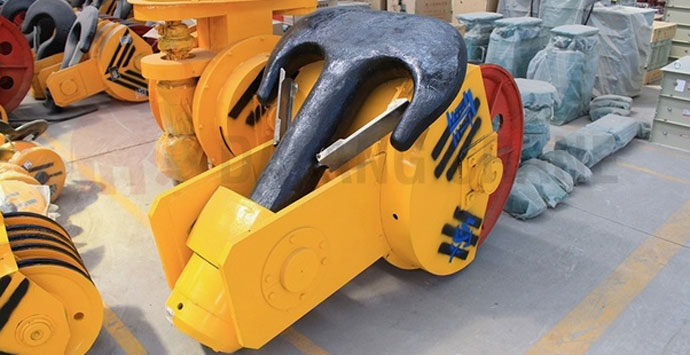
When we think of cranes, our minds often conjure images of towering steel structures against a city skyline. But the true workhorse, the critical point where ambition meets execution, is often overlooked: the humble crane hook. This unassuming piece of forged metal has a history as rich and heavy as the loads it bears. Its evolution is a fascinating story of material science, engineering ingenuity, and the relentless pursuit of safety.
This journey from simple claws to sophisticated, load-monitoring devices is a testament to human innovation. Let’s trace the history of crane hook development.
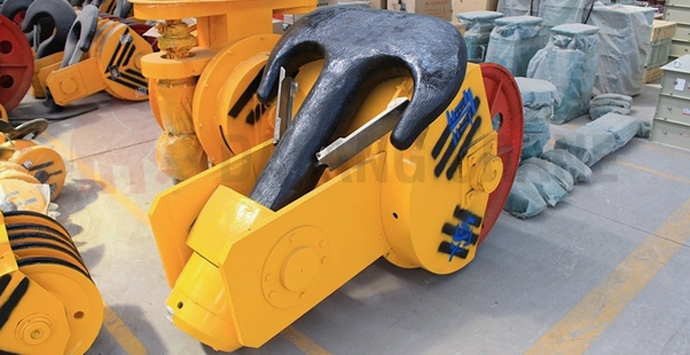
The story of the crane hook begins with its ancient predecessor: the rope. Before dedicated hooks, loads were simply tied or slung. The earliest “hooks” were likely natural forms—branches or animal horns—used to secure ropes and create a better point for lifting.
With the invention of the pulley by Archimedes and other ancient engineers, the need for a dedicated attachment point grew. The Greeks and Romans used cranes for construction, employing metal claws or simple curved bars. These were crude by today’s standards, often made of wrought iron and susceptible to bending or snapping under unexpected stress. Their shape was a simple “C” or “J,” focusing on utility over optimized strength.
The 18th and 19th centuries catalyzed the most significant changes. The demands of building railways, bridges, and massive ships required cranes to lift heavier loads to greater heights. This period saw two key advancements:
A pivotal figure in this era was Henry Ross of Buffalo, New York. In the late 1860s, he patented a design for a one-piece, forged steel hook. His design emphasized a smooth, continuous curve from the point to the shank, eliminating sharp corners where stress could concentrate and cause failure. The “Rasmussen hook” (a common type today) is a direct descendant of this philosophy.
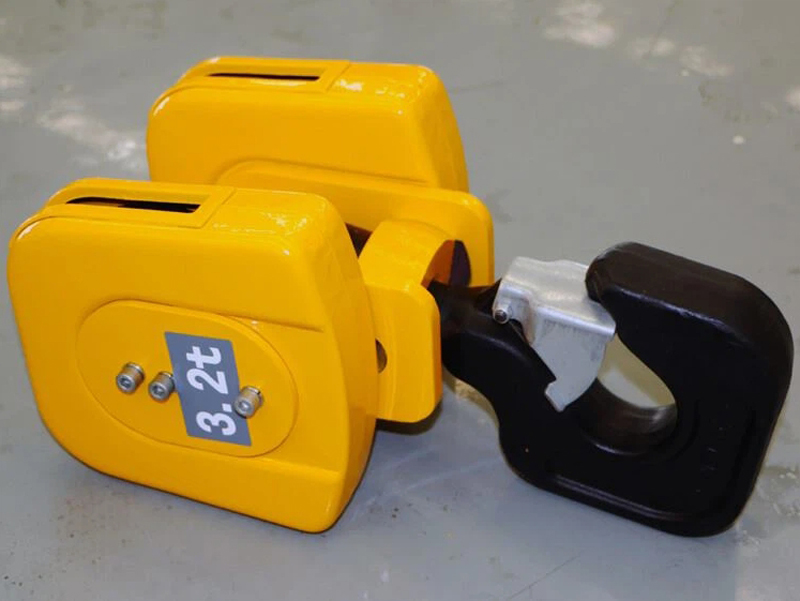
As engineering science advanced, so did hook design. The introduction of Finite Element Analysis (FEA) and deeper understanding of material stress-strain curves allowed engineers to model and predict how a hook would behave under load.
This led to more refined designs:
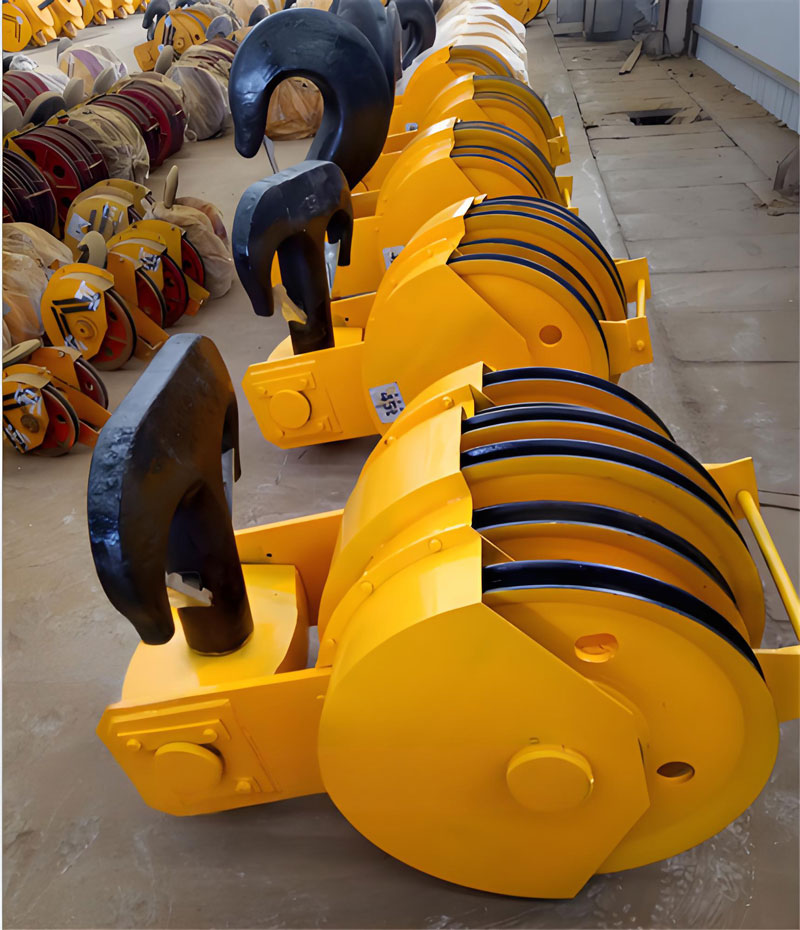
Today, the evolution continues beyond mere shape and material. The modern crane hook is becoming a connected data hub.
This data is fed directly to the crane operator and site managers, enabling unprecedented levels of safety, precision, and preventive maintenance. The hook is no longer a dumb piece of metal; it’s an intelligent component of a larger lifting ecosystem.
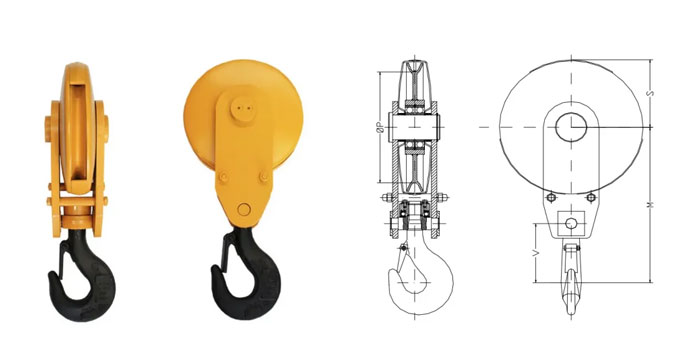
From a bent piece of iron to a sensor-packed marvel of engineering, the history of the crane hook mirrors our own industrial journey. It is a story of learning from failure, embracing new materials, and applying scientific principles to solve practical problems.
The next time you see a crane on the horizon, take a moment to appreciate the hook. It represents centuries of innovation, all dedicated to achieving one simple, critical goal: lifting heavy things safely and efficiently. Its evolution is far from over, and its future will undoubtedly be shaped by advancements in composites, AI, and automation.
We value your feedback! Please complete the form below so that we can tailor our services to your specific needs.


Latest Comments