Analysis and solutions to the causes of rail gnawing by overhead cranes
2025-12-10
Overhead cranes are indispensable workhorses in manufacturing plants, warehouses, and construction sites, enabling efficient material handling across large spaces. However, one persistent and costly issue plaguing crane operators and maintenance teams is rail gnawing—the abnormal wear, scratching, or erosion of crane rails caused by improper contact between the crane’s wheels and the rail surface. Left unaddressed, rail gnawing not only shortens the lifespan of rails and wheels but also poses safety risks, including derailment, structural damage, and operational downtime. In this blog, we’ll delve into the primary causes of rail gnawing and outline practical solutions to mitigate this problem.
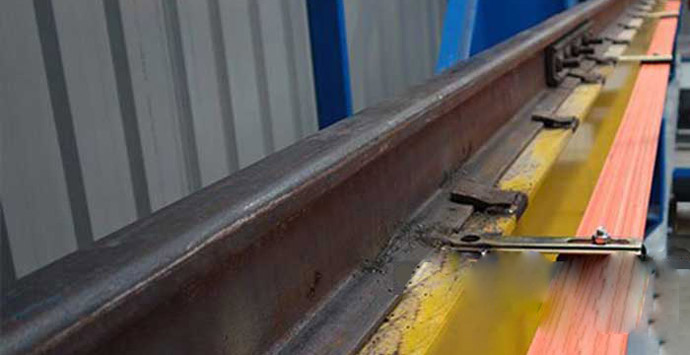
Understanding Rail Gnawing By Overhead Crane: Key Symptoms
Before exploring causes, it’s critical to recognize the signs of rail gnawing by overhead crane. Common indicators include:
- 1. Visible wear on the rail head (uneven surfaces, grooves, or chipping)
- 2. Scratches or indentations along the rail’s side edges
- 3. Excessive noise (squealing, grinding) during crane movement
- 4. Uneven wheel wear (e.g., tapered or flattened wheel treads)
- 5. Misalignment of the crane bridge relative to the rails
- 6. Increased power consumption due to friction between wheels and rails
These symptoms often signal underlying issues that require systematic investigation.
Primary Causes of Rail Gnawing By Overhead Crane

Rail gnawing rarely stems from a single factor; it’s typically a result of mechanical misalignment, operational errors, or environmental conditions. Below are the most prevalent causes:
Mechanical Misalignment
Mechanical misalignment is the leading cause of overhead crane rail gnawing, affecting the precision of wheel-rail contact. Key subfactors include:
- 1. Bridge Misalignment: If the crane bridge (the horizontal beam connecting the two end trucks) is not perpendicular to the rails, the wheels will exert lateral pressure on the rail sides. This often occurs due to loose bolts, worn bridge connections, or improper installation.
- 2. Wheel Misalignment: Wheels that are not properly aligned (e.g., excessive toe-in or toe-out) force the wheel flanges to rub against the rail edges. This misalignment can result from manufacturing defects, improper maintenance, or wear over time.
- 3. Uneven Rail Installation: Rails that are not level, parallel, or properly anchored can cause the crane to tilt or shift during movement. Uneven rail height or spacing creates uneven load distribution, leading to concentrated wear on specific rail sections.
- 4. Worn Wheel Treads or Flanges: Over time, wheel treads can become flattened, tapered, or pitted, while flanges may wear down or become rounded. These worn components disrupt smooth contact with the rail, increasing friction and gnawing.
Operational Factors
Human error and improper operation can exacerbate rail gnawing, even in well-maintained cranes:
- 1. Overloading: Exceeding the crane’s rated capacity places excessive stress on wheels and rails, causing uneven wear and increasing lateral forces.
- 2. Sudden Starts/Stops or Sharp Turns: Abrupt acceleration, deceleration, or turning (for gantry cranes) creates inertial forces that push the wheels against the rail sides. This repeated impact accelerates gnawing.
- 3. Incorrect Crane Positioning: Operating the crane with the hook or load offset from the center of the bridge can create unbalanced loads, leading to misalignment and increased rail contact pressure.
- 4. Ignoring Warning Signs: Continuing to operate a crane with visible signs of rail wear, noise, or misalignment allows the problem to escalate, resulting in more severe damage.
Environmental and Structural Factors
External conditions and facility structure can also contribute to overhead crane rail gnawing:
- 1. Contamination: Dust, debris, oil, or moisture on the rail surface reduces friction between wheels and rails, causing the wheels to slip or skid. This slipping increases lateral movement and wear.
- 2. Temperature Fluctuations: Extreme hot or cold temperatures can cause rails to expand or contract, leading to misalignment or gaps. In freezing conditions, ice on the rails can also disrupt wheel-rail contact.
- 3. Structural Settling: Over time, the facility’s foundation may settle unevenly, affecting the rail’s alignment and levelness. This is particularly common in older buildings or areas with poor soil conditions.
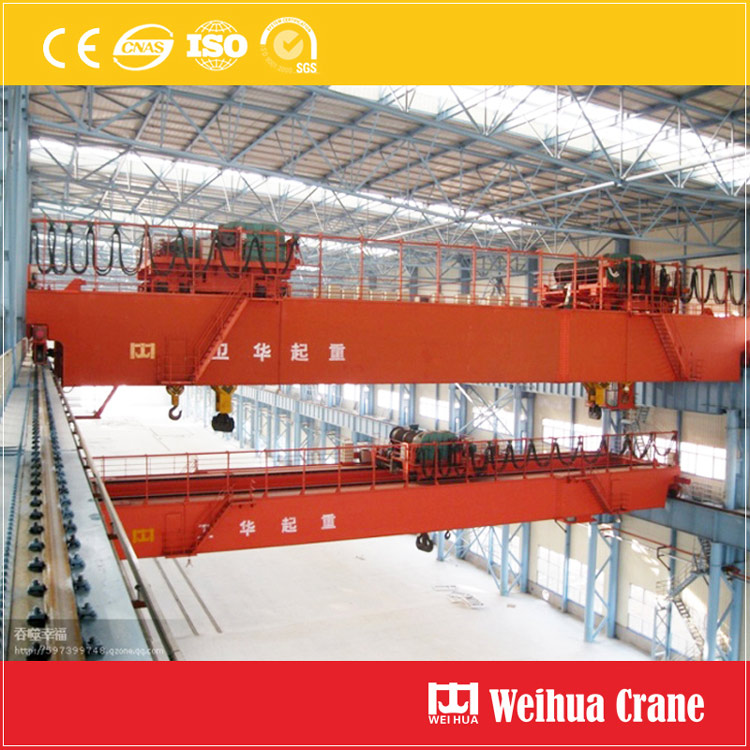
Practical Solutions to Prevent and Mitigate Rail Gnawing
Addressing rail gnawing requires a proactive approach, combining regular maintenance, proper operation, and structural adjustments. Below are actionable solutions:
Conduct Regular Inspections and Maintenance
- 1. Rail Inspections: Inspect rails weekly for wear, misalignment, contamination, or damage. Use tools like straightedges, laser aligners, or ultrasonic testers to check rail levelness, parallelism, and thickness. Replace worn or damaged rails promptly.
- 2. Wheel Maintenance: Inspect wheels monthly for tread wear, flange thickness, and alignment. Resurface or replace worn wheels to ensure proper contact with the rail. Maintain proper wheel lubrication to reduce friction.
- 3. Bridge and End Truck Checks: Tighten loose bolts, inspect bridge connections, and ensure end trucks (the units that house the wheels) are properly aligned. Adjust or replace worn bearings, gears, or axles that affect movement precision.
- 4. Lubrication: Apply appropriate lubricants to rail surfaces and wheel flanges to reduce friction. Use dry lubricants (e.g., graphite) in dusty environments and oil-based lubricants in clean settings. Avoid over-lubrication, which can attract debris.
Improve Operational Practices
- 1. Train Operators: Provide comprehensive training to crane operators on proper handling techniques, including smooth starts/stops, avoiding overloading, and centering loads. Emphasize the importance of reporting warning signs (noise, wear, misalignment) immediately.
- 2. Set Operational Limits: Implement strict rules against overloading and abrupt movements. Use load monitors and anti-collision systems to prevent excessive stress on the crane and rails.
- 3. Clean Rail Surfaces: Regularly remove dust, debris, oil, or ice from rails using brushes, blowers, or de-icing agents (in cold weather). Keep the area around the rails clean to minimize contamination.
Correct Structural and Installation Issues
- 1. Realign Rails: If rails are misaligned or uneven, hire professional technicians to realign, level, or reanchor them. Ensure rails are parallel and spaced correctly according to the crane’s specifications.
- 2. Address Foundation Settling: If structural settling is causing rail misalignment, consult a structural engineer to assess and repair the foundation. This may involve reinforcing the foundation or adjusting the rail supports.
- 3. Upgrade Components: For older cranes, consider upgrading to high-quality wheels and rails made from wear-resistant materials (e.g., hardened steel). These components have a longer lifespan and better resistance to gnawing.
Implement Monitoring Systems
- 1. Install vibration sensors, load cells, or laser alignment tools to monitor crane performance in real time. These systems can detect misalignment, overloading, or abnormal wear early, allowing for timely interventions.
- 2. Keep detailed maintenance records to track rail and wheel wear patterns. This data can help identify recurring issues and optimize maintenance schedules.
Conclusion
Rail gnawing is a costly and potentially dangerous issue for overhead crane operations, but it’s not inevitable. By understanding the root causes—mechanical misalignment, operational errors, and environmental factors—and implementing proactive solutions such as regular maintenance, proper operator training, and structural adjustments, you can significantly reduce rail wear, extend equipment lifespan, and ensure safe, efficient crane operation. Remember, prevention is always more cost-effective than repair. Invest in regular inspections and address warning signs promptly to keep your overhead cranes running smoothly for years to come.
Share with PDF:




Latest Comments