
منوی ناوبری

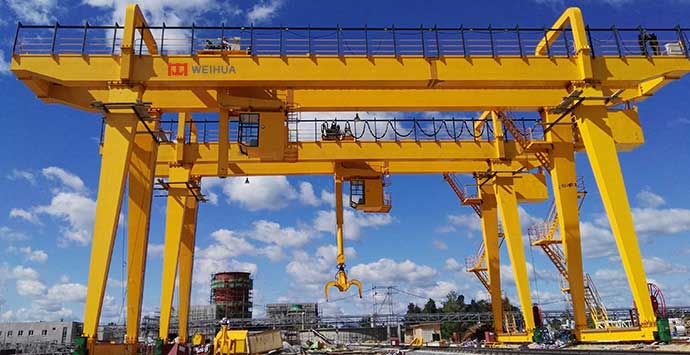
الف جرثقیل پورتال (همچنین به عنوان جرثقیل بازویی پورتال پورتال شناخته می شود) روی ریل است, جرثقیل بازویی چرخشی تمام دایره ای که منحصراً برای عملیات بندری و اسکله طراحی شده است. دارای یک پایگاه پورتال برجسته است (قاب پورتال چهار پا) که بر روی خطوط راه آهن ساحلی یا گذرگاه های کامیون می گذرد, اجازه می دهد وسایل نقلیه زمینی بدون هیچ مانعی مستقیماً از زیر جرثقیل عبور کنند.
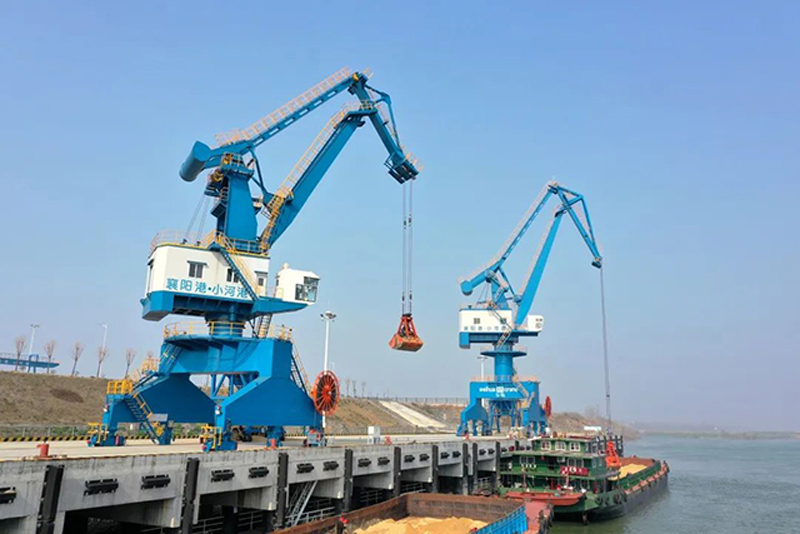
متفاوت از جرثقیل دروازه ای (که با تیر مستقیم به صورت افقی حرکت می کنند) و جرثقیل دروازه ای کانتینری, معمولی ترین ویژگی جرثقیل پورتال مکانیزم بازوی چرخشی آن است. ساختار بالابر بالایی آن می تواند بچرخد 360 درجه آزادانه, مطابق با نیازهای بارگیری و تخلیه کشتی های پهلو گرفته. این عمدتا برای بلند کردن محموله های فله استفاده می شود, مواد غذایی عمومی, و کانتینرهای کوچک بین کشتی ها و پایانه های ساحلی, و کلاسیک ترین و پرکاربردترین جرثقیل در بنادر داخلی و ساحلی است.
ساختار کامل جرثقیل پورتال به مکانیزم حرکت پورتال پایینی و مکانیزم بالابر چرخشی فوقانی تقسیم می شود.. هر جزء اصلی کار مستقل و مشترکی را برای اطمینان از جابجایی کارآمد و ایمن انجام می دهد:
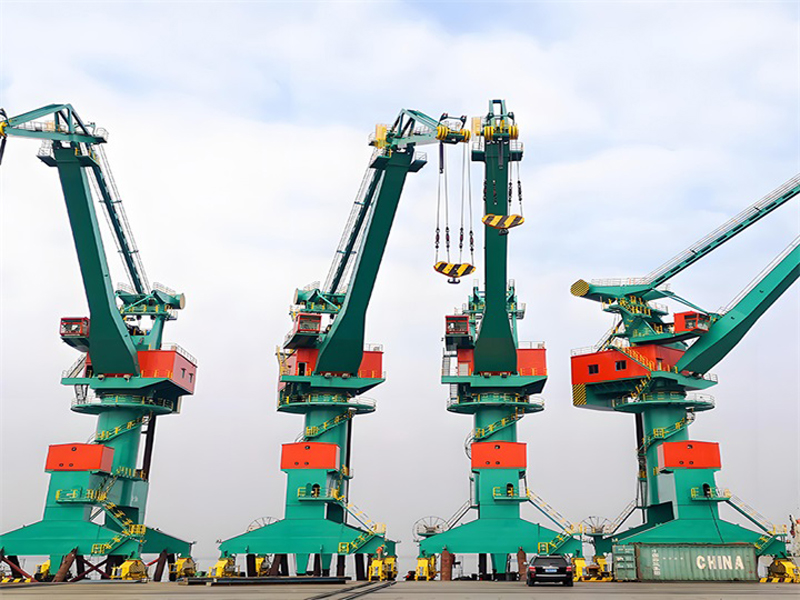
جرثقیل های پورتال برای تکمیل بارگیری و تخلیه محموله کشتی از ساحل به سه اقدام مشترک اصلی متکی هستند., با یک جریان کاری بسیار بالغ و کارآمد. اول, با توجه به موقعیت پهلوگیری کشتی و توزیع محموله, جرثقیل در امتداد ریل های حوض حرکت می کند تا موقعیت کاری بهینه را قفل کند. دوم, سکوی بالایی می چرخد و بازویی برای تنظیم شعاع کار می چرخد, هدف گیری قلاب بالابر به سمت محموله مورد نظر در کشتی.
در نهایت, سیستم بالابر محموله را به طور پایدار بلند می کند, و سازه های چرخشی و لوفینگ برای انتقال محموله از عرشه کشتی به وسیله نقلیه حمل و نقل ساحلی همکاری می کنند., یا کار بارگیری معکوس را کامل کنید. ترکیب پیاده روی, چرخش, لوفینگ و بلند کردن جرثقیل پورتال را قادر می سازد تا نواحی کار فن شکل و مستطیلی در امتداد اسکله را بپوشاند., سازگاری کامل با توزیع نامنظم محموله های کشتی های پهلو گرفته.
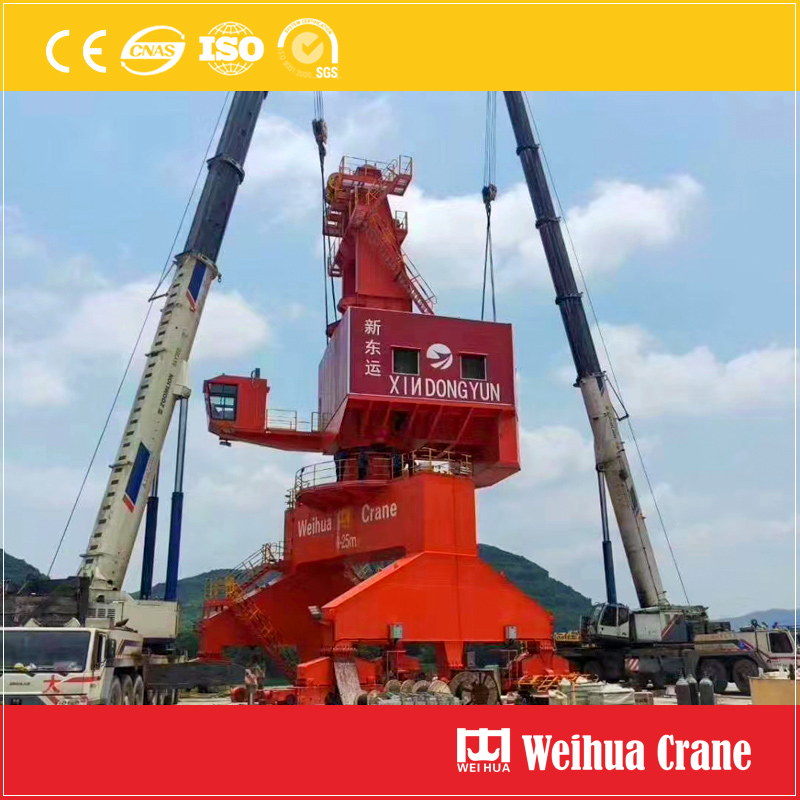
جرثقیل های پورتال عمدتاً بر اساس شکل ساختاری و عملکرد کار طبقه بندی می شوند, و انواع اصلی موجود در بازار به شرح زیر است:
1. جرثقیل های پورتال ثابت
این نوع جرثقیل بدون عملکرد حرکتی بر روی پایه داک ثابت می شود. ساختار ساده ای دارد, هزینه کم و عملکرد پایدار, و برای پایانه های کوچک ثابت مناسب است, اسکله های باری واحد و اسکله های آب کم عمق رودخانه های داخلی با محدوده کاری ثابت.
2. جرثقیل های پورتال ریلی سیار
پرکاربردترین جرثقیل پورتال استاندارد. می تواند آزادانه در امتداد ریل های اسکله حرکت کند, با محدوده کاری قابل تنظیم بزرگ و انعطاف پذیری قوی. برای بنادر متوسط و بزرگ با پهلوگیری مکرر کشتی و انواع محموله مناسب است, و می تواند محموله های فله را حمل کند, مواد غذایی و کالاهای ظروف سبک به طور موثر.
3. تک جیب & جرثقیل های پورتال دوجیب
جرثقیل های پورتال تک جبه سبک و انعطاف پذیر هستند, مناسب برای جابجایی محموله های کوچک. مدل های دو جبه دارای راندمان بالابری بالاتر و ظرفیت بار بیشتری هستند, که می تواند عملکرد متناوب قلاب های دوبل را تحقق بخشد, و بیشتر برای بنادر بزرگ ساحلی با باربری بالا استفاده می شود.
به عنوان تجهیزات بالابری ویژه بندر, جرثقیل های پورتال در سناریوهای کاربردی بسیار مورد هدف قرار می گیرند, تمرکز بر عملیات جابجایی کشتی-ساحل ساحلی:
Q1: بزرگترین تفاوت بین جرثقیل پورتال و جرثقیل دروازه ای چیست؟?
A1: این گیج کننده ترین نقطه برای اکثر مردم است. جرثقیل های پورتال جرثقیل های بازویی چرخشی برای جابجایی کشتی بندری و ساحلی هستند, با عملکرد چرخشی و لوفینگ 360 درجه, به ویژه برای محموله کشتی اسکله. جرثقیل های دروازه ای جرثقیل های متحرک خطی با پرتو مستقیم هستند, عمدتا برای کارگاه های کارخانه استفاده می شود, انباشتن حیاط و حمل و نقل محموله های داخلی, بدون عملکرد چرخش برد بزرگ. اصول کار آنها, ساختارها و سناریوهای کاربردی کاملاً متفاوت هستند.
Q2: تناژ معمولی بالابر جرثقیل پورتال چقدر است?
A2: جرثقیل های پورتال معمولی برای استفاده در بندر عمومی دارای ظرفیت بالابری هستند 5 تن به 50 تن, که نیازهای حمل و نقل اکثر محموله های فله و مواد غذایی را برآورده می کند. مدل های سفارشی با تناژ بزرگ برای عملیات بندری سنگین می توانند به 80 تا 100 تن برسند, برای تجهیزات فوق سنگین و جابجایی قطعات فولادی بزرگ استفاده می شود.
Q3: آیا می توان از جرثقیل های پورتال در داخل خانه استفاده کرد?
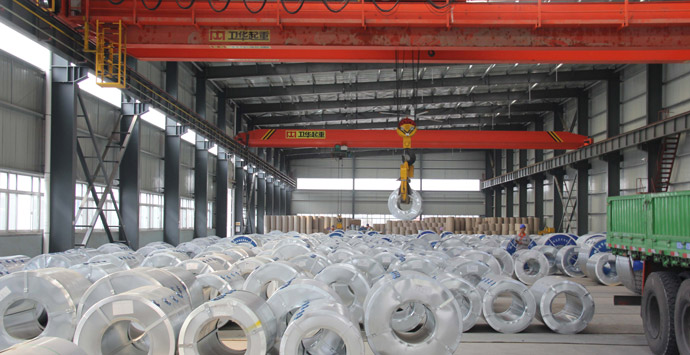
A3: به ندرت. جرثقیل های پورتال تجهیزات بندر حرفه ای در مقیاس بزرگ با بدنه بلند هستند, محدوده کار چرخشی بزرگ و طراحی ساختاری مقاوم در برابر باد و مقاوم در برابر خوردگی, که کاملا برای محیط های بارانداز در هوای آزاد طراحی شده است. کارگاه های داخلی بیشتر از جرثقیل های سقفی و جرثقیل های دروازه ای کوچک به جای جرثقیل های پورتال استفاده می کنند..
Q4: محدودیت های اصلی کار جرثقیل های پورتال چیست؟?
A4: جرثقیل های پورتال فقط برای سناریوهای پهلوگیری کشتی در کنار آب مناسب هستند و نمی توان از آنها برای انباشته شدن محوطه های داخلی در محوطه های بزرگ استفاده کرد.. علاوه بر این, آنها باید در آب و هوای شدید مانند بادهای شدید بالاتر از سطح کار را متوقف کنند 6, باران شدید و طوفان برای جلوگیری از کج شدن تجهیزات و حوادث سقوط محموله.
Q5: نحوه نگهداری منظم جرثقیل پورتال?
A5: تعمیر و نگهداری روزانه شامل بررسی سفتی سیم های فولادی است, انعطاف پذیری مکانیسم های چرخش و لوفینگ, و حساسیت دستگاه های محدودیت ایمنی. برای مقاومت ساختار فولادی در برابر فرسایش آب دریا، عملیات ضد خوردگی منظم مورد نیاز است. بازرسی کلی حرفه ای و روغن کاری قطعات انتقال باید هر بار انجام شود 6 ماه برای اطمینان از عملکرد پایدار.
Q6: چرا جرثقیل های پورتال با وجود جرثقیل های کانتینری هنوز به طور گسترده مورد استفاده قرار می گیرند؟?
A6: جرثقیل های کانتینری فقط برای جابجایی کانتینر استاندارد مناسب هستند, در حالی که جرثقیل های پورتال تطبیق پذیری قوی تری دارند. آنها می توانند محموله های فله را حمل کنند, مواد غذایی, فولاد و کالاهای خاص شکل که جرثقیل های کانتینری نمی توانند با آنها سازگار شوند, و تجهیزات اصلی ضروری برای بنادر باری مختلط و پایانه های رودخانه داخلی هستند.
به عنوان یک ماشین آلات بندری حرفه ای و کلاسیک, جرثقیل های پورتال جایگاهی غیرقابل جایگزین در حمل و نقل محموله های ساحلی دارند. ساختار منحصر به فرد لوفینگ چرخشی و حالت کار تطبیق کشتی با ساحل، آن را به تجهیزات ترجیحی برای حمل و نقل محموله های فله و عمومی در بنادر مختلف در سراسر جهان تبدیل کرده است.. درک ویژگیهای ساختاری و سناریوهای کاربردی آن میتواند به ما کمک کند منطق عملیات کارآمد سیستمهای لجستیک بندری مدرن را بهتر بشناسیم..
ما برای بازخورد شما ارزش قائل هستیم! لطفاً فرم زیر را تکمیل کنید تا بتوانیم خدمات خود را متناسب با نیازهای خاص شما تنظیم کنیم.


برای به دست آوردن اطلاعات محصول و نقل قول های موجود در WhatsApp روی دکمه کلیک کنید.
نقل قول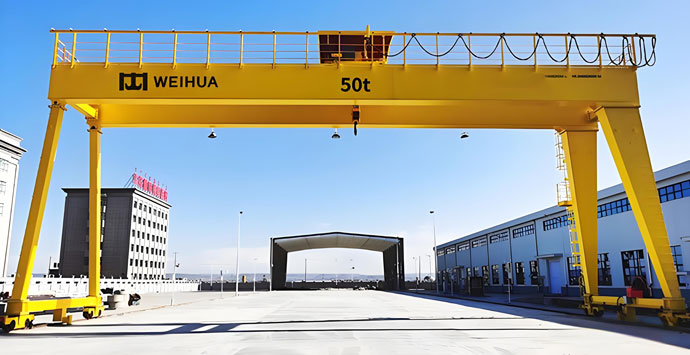
آخرین نظرات