
Menú de navegación

A grúa portal (También conocida como grúa pluma de portal portuario.) está montado sobre rieles, Grúa de pluma giratoria de círculo completo diseñada exclusivamente para operaciones portuarias y costeras. Cuenta con una base de portal prominente. (pórtico de cuatro patas) que se extiende sobre vías de ferrocarril costeras o pasos de camiones, permitir que los vehículos de transporte terrestre pasen directamente debajo de la grúa sin obstáculos.
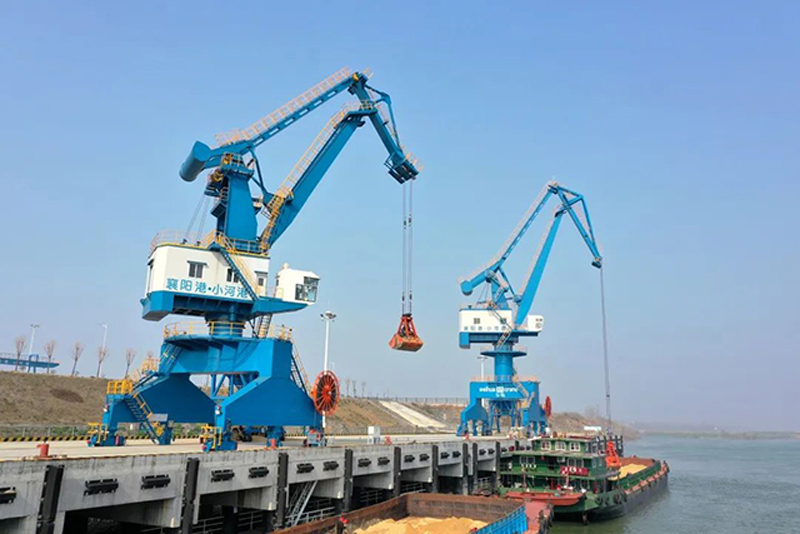
A diferencia de las grúas pórtico (que se mueven horizontalmente con una viga recta) y grúas pórtico para contenedores, La característica más típica de una grúa pórtico es su mecanismo de brazo giratorio.. Su estructura de elevación superior puede girar 360 grados libremente, Satisfacer las necesidades de carga y descarga de los barcos atracados.. Se utiliza principalmente para levantar carga a granel., comestibles generales, y pequeños contenedores entre barcos y terminales costeras, y es la grúa más clásica y utilizada en puertos interiores y costeros..
La estructura completa de una grúa pórtico se divide en un mecanismo de desplazamiento de pórtico inferior y un mecanismo de elevación giratorio superior.. Cada componente central realiza un trabajo independiente y colaborativo para garantizar un manejo de carga eficiente y seguro.:
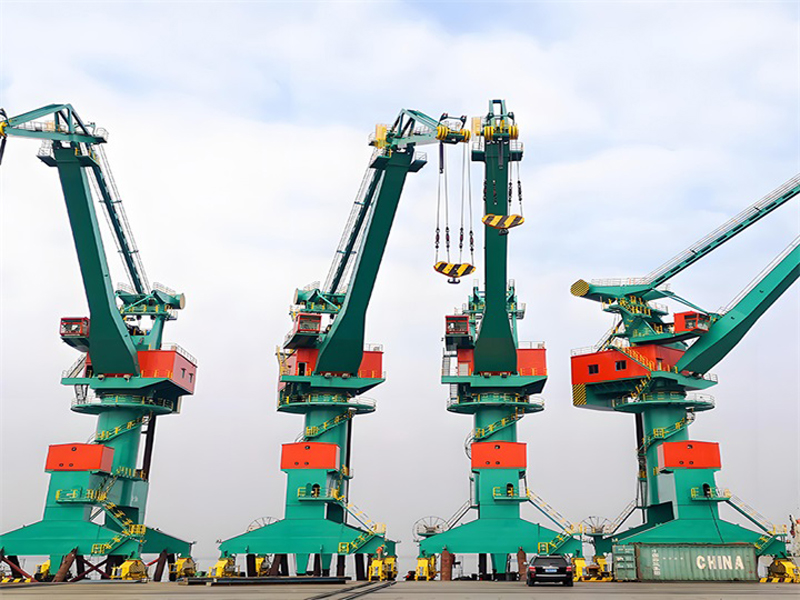
Las grúas portal se basan en tres acciones colaborativas principales para completar la carga y descarga de carga en tierra., con un flujo de trabajo altamente maduro y eficiente. Primero, según la posición de atraque del buque y la distribución de la carga, la grúa se desplaza a lo largo de los rieles del muelle para bloquear la posición óptima de trabajo. Segundo, la plataforma superior gira y el foque se orza para ajustar el radio de trabajo, apuntar el gancho de elevación a la carga objetivo en el barco.
Finalmente, El sistema de elevación levanta la carga de forma estable., y las estructuras giratorias y abatibles cooperan para transferir la carga desde la cubierta del barco al vehículo de transporte en tierra., o completar el trabajo de carga inversa. La combinación de caminar, rotación, El abatimiento y la elevación permiten que la grúa pórtico cubra áreas de trabajo rectangulares y en forma de abanico a lo largo del muelle, adaptándose perfectamente a la distribución irregular de la carga de los barcos atracados.
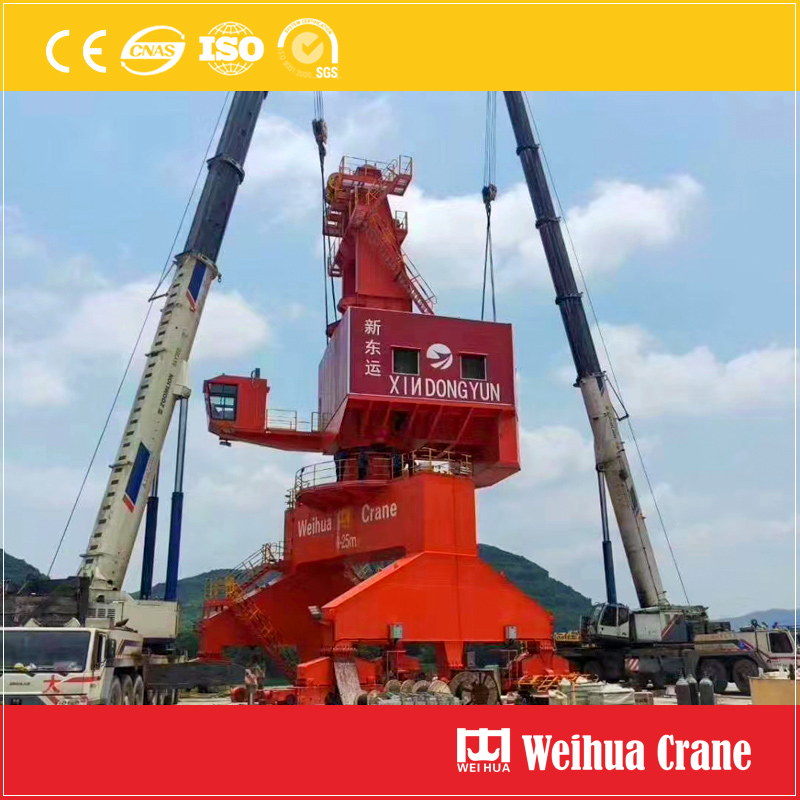
Las grúas pórtico se clasifican principalmente por forma estructural y rendimiento de trabajo., Y los tipos principales en el mercado son los siguientes:
1. Grúas de portal fijo
Este tipo de grúa se fija a la cimentación del muelle sin función de desplazamiento.. Tiene una estructura simple, Bajo costo y rendimiento estable., y es adecuado para pequeños terminales fijos, Muelles de carga individuales y muelles de aguas poco profundas en ríos interiores con rangos de trabajo fijos..
2. Grúas pórtico móviles montadas sobre rieles
La grúa pórtico estándar más utilizada. Puede moverse libremente a lo largo de los rieles del muelle., con un amplio rango de trabajo ajustable y gran flexibilidad. Es adecuado para puertos medianos y grandes con atraque frecuente de barcos y diversos tipos de carga., y puede manejar carga a granel, comestibles y mercancías en contenedores ligeros de manera eficiente.
3. Pluma única & Grúas pórtico de doble brazo
Las grúas pórtico de un solo brazo son ligeras y flexibles, adecuado para el manejo de cargas de pequeño tonelaje. Los modelos de doble brazo tienen mayor eficiencia de elevación y mayor capacidad de carga, que puede realizar el funcionamiento alternativo de ganchos dobles, y se utilizan principalmente para grandes puertos costeros con un alto rendimiento de carga.
Como equipo de elevación especial específico para puertos, Las grúas de portal son muy específicas en escenarios de aplicación., centrándose en operaciones de manipulación de buques en tierra frente al mar:
Q1: ¿Cuál es la mayor diferencia entre una grúa pórtico y una grúa pórtico??
A1: Este es el punto más confuso para la mayoría de las personas.. Las grúas pórtico son grúas de pluma giratorias para el manejo portuario de buques en tierra., con funciones de giro y abatimiento de 360°, especialmente para carga de buques portuarios. Las grúas pórtico son grúas móviles lineales de viga recta., Utilizado principalmente para talleres de fábrica., apilamiento en patio y manejo de carga terrestre, sin función de rotación de gran alcance. Sus principios de trabajo, Las estructuras y los escenarios de aplicación son completamente diferentes..
Q2: ¿Cuál es el tonelaje de elevación habitual de una grúa pórtico??
A2: Las grúas pórtico convencionales para uso general portuario tienen una capacidad de elevación de 5 toneladas de 50 montones, que satisface las necesidades de manipulación de la mayoría de cargas a granel y comestibles. Los modelos personalizados de gran tonelaje para operaciones portuarias pesadas pueden alcanzar entre 80 y 100 toneladas, Se utiliza para equipos muy pesados y manipulación de componentes de acero de gran tamaño..
Q3: ¿Se pueden utilizar grúas pórtico en interiores??
A3: Casi nunca. Las grúas de portal son equipos portuarios profesionales al aire libre a gran escala con fuselaje alto, amplio rango de trabajo giratorio y diseño estructural resistente al viento y a la corrosión, que está completamente diseñado para entornos de muelles al aire libre. Los talleres interiores utilizan principalmente puentes grúa y pequeñas grúas pórtico en lugar de grúas pórtico..
Q4: ¿Cuáles son las principales limitaciones de trabajo de las grúas pórtico??
A4: Las grúas de portal solo son adecuadas para escenarios de atraque de barcos frente al mar y no se pueden utilizar para apilamiento en patios de gran superficie tierra adentro.. Además, Deben dejar de trabajar en condiciones climáticas extremas, como fuertes vientos por encima del nivel. 6, fuertes lluvias y tifones para evitar accidentes por inclinación de equipos y caída de carga.
Q5: Cómo mantener una grúa pórtico con regularidad?
A5: El mantenimiento diario incluye comprobar el apriete de los cables de acero., la flexibilidad de los mecanismos de rotación y abatimiento, y la sensibilidad de los dispositivos de límite de seguridad. Se requiere un tratamiento anticorrosión regular para que la estructura de acero resista la erosión del agua de mar.. La inspección general profesional y la lubricación de las piezas de la transmisión se llevarán a cabo cada 6 meses para garantizar un funcionamiento estable.
Q6: ¿Por qué se siguen utilizando ampliamente las grúas pórtico a pesar de las grúas para contenedores??
A6: Las grúas para contenedores sólo son adecuadas para la manipulación de contenedores estándar., mientras que las grúas pórtico tienen una mayor versatilidad. Pueden manejar carga a granel., comestibles, productos de acero y de formas especiales a los que las grúas para contenedores no pueden adaptarse, y son el equipo central esencial para puertos de carga mixta y terminales fluviales interiores.
Como maquinaria portuaria profesional y clásica., Las grúas pórtico ocupan una posición insustituible en el manejo de carga en el puerto.. Su exclusiva estructura de abatimiento giratorio y su modo de trabajo compatible con la costa lo convierten en el equipo preferido para el transporte de carga general y a granel en varios puertos alrededor del mundo.. Comprender sus características estructurales y escenarios de aplicación puede ayudarnos a reconocer mejor la lógica de operación eficiente de los sistemas logísticos portuarios modernos..
Valoramos sus comentarios! Complete el formulario a continuación para que podamos adaptar nuestros servicios a sus necesidades específicas..


Haga clic en el botón para obtener información del producto y cotizaciones en WhatsApp.
Obtener una cotización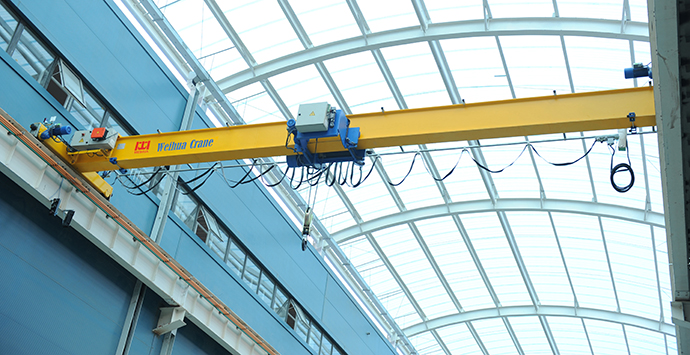
Últimos comentarios