
Menú de navegación

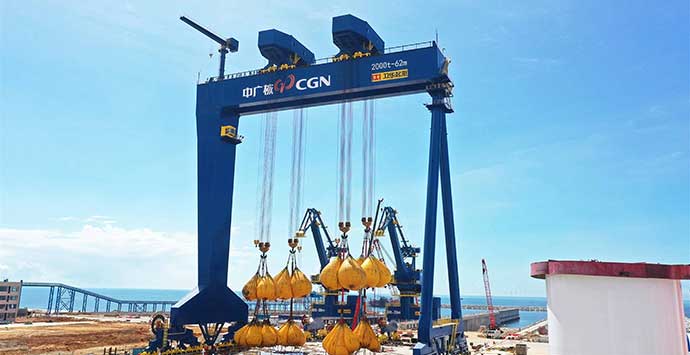
Un riguroso procedimiento de prueba de carga de grúa pórtico es la forma más confiable de verificar la integridad estructural, rendimiento mecánico, y seguridad operativa general. Alineado con estándares clave de la industria, incluida OSHA 1910.179 y ANSI B30.2, Las pruebas de carga periódicas garantizan que su grúa pórtico funcione dentro de las capacidades nominales., cumple con los requisitos reglamentarios, y protege a los trabajadores y los bienes. en este blog, desglosamos el proceso de prueba de carga completa, incluyendo preparativos previos a la prueba, protocolos de prueba paso a paso, reglas de seguridad, y documentación posterior a la prueba.
Una prueba de carga de una grúa pórtico es un proceso de inspección estandarizado que valida si una grúa puede levantar con seguridad, sostener, y mover cargas específicas sin fallas estructurales o errores mecánicos. Cubre tres tipos de pruebas principales.: prueba sin carga, prueba de carga estática, y pruebas de carga dinámica, cada uno apunta a diferentes métricas de desempeño operativo.
Las pruebas de carga no son sólo una formalidad rutinaria: es una práctica de cumplimiento y seguridad obligatoria.. Se requiere en escenarios críticos.: instalación de nueva grúa, reparaciones mecánicas importantes o reemplazos de componentes, períodos de inactividad prolongados, inspecciones anuales obligatorias, y después de cualquier incidente que pueda dañar la estructura o mecanismos de la grúa.
Los beneficios clave de las pruebas de carga estrictas incluyen la eliminación de defectos estructurales ocultos., verificar la confiabilidad del sistema de freno y elevación, garantizar el pleno cumplimiento normativo, prolongación de la vida útil de la grúa, y prevención de accidentes mortales por elevación en el lugar de trabajo. La prueba de carga estándar de la industria generalmente requiere levantar 125% de la capacidad nominal de la grúa para validación estática, el punto de referencia universal para la certificación de seguridad operativa.
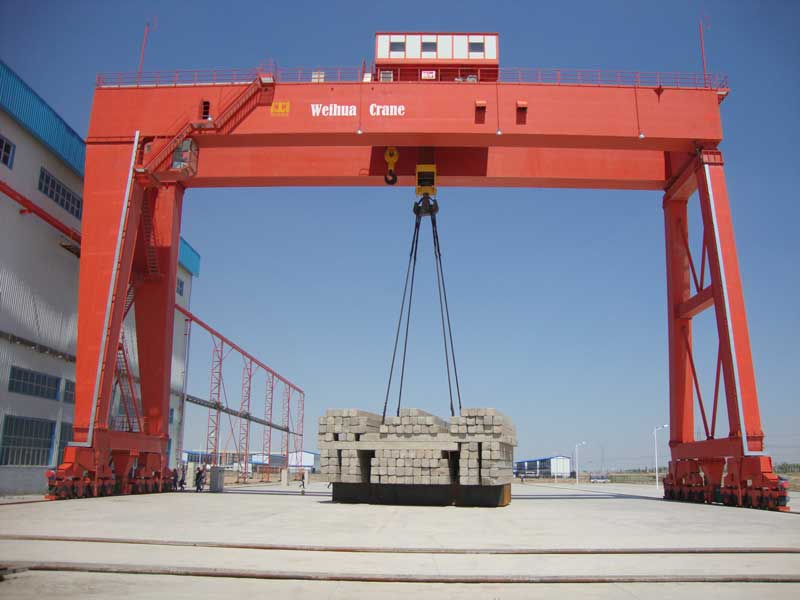
Saltarse las inspecciones previas a las pruebas genera resultados inexactos y riesgos de seguridad innecesarios.. Antes de iniciar cualquier prueba de carga, Complete los siguientes preparativos integrales para garantizar una buena, proceso de prueba válido:
Aislar toda el área de operación de la grúa con barreras de advertencia y señalización clara para evitar que personal no autorizado ingrese a la zona de prueba.. Elimine todos los obstáculos en la pista de la grúa y en el camino de trabajo para garantizar un movimiento sin obstáculos en todo el rango.. Prepare equipo de emergencia, incluidos botiquines de primeros auxilios y herramientas de respuesta de seguridad., y confirmar los protocolos de emergencia en el sitio para fallas mecánicas o deslizamiento de carga..
Realizar una inspección visual completa de los componentes principales de la grúa.. Comprobar vigas del pórtico, piernas de apoyo, y pernos de conexión para grietas, deformación, o sujetadores sueltos. Inspeccione los cables metálicos para ver si están deshilachados., corrosión, o desgaste anormal, y verificar el correcto bobinado de tambores y poleas.. Pruebe la funcionalidad de los frenos del polipasto, sistemas de viaje con carro, y ruedas de pista para garantizar un funcionamiento suave. Todos los sistemas eléctricos., interruptores de límite, y los dispositivos de parada de emergencia deben estar completamente funcionales antes de realizar la prueba..
Utilice sólo certificado, Pesas de prueba calibradas o células de carga con certificados de calibración válidos para garantizar una medición de carga precisa.. Todo el equipo de aparejo (eslingas, grilletes, manos) debe estar clasificado por al menos 125% de la carga de prueba para evitar fallas en el aparejo. Sólo calificado, Los operadores de grúas certificados y los inspectores profesionales pueden realizar y supervisar pruebas de carga.; El personal no capacitado tiene estrictamente prohibido participar..
Una prueba de carga completa de una grúa pórtico sigue un estricto orden secuencial: prueba sin carga → prueba de carga estática → prueba de carga dinámica. Este proceso de prueba gradual evita el impacto repentino de sobrecarga y refleja con precisión las condiciones de trabajo del mundo real..
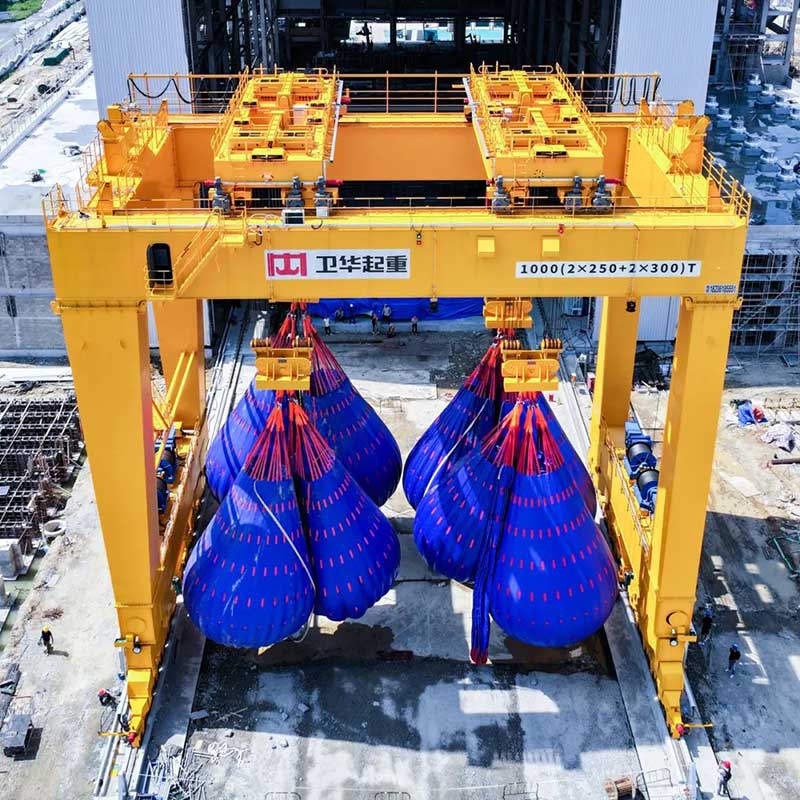
La prueba sin carga es la base de todas las pruebas posteriores., Diseñado para verificar la funcionalidad mecánica y eléctrica básica de la grúa sin aplicar ninguna carga.. Inicie el sistema de energía de la grúa y opere el polipasto., carretilla, y mecanismos de desplazamiento del pórtico en todo su rango de movimiento. correr hacia adelante, contrarrestar, y detenga las operaciones repetidamente para verificar si hay fluctuaciones, ruido anormal, o respuesta retrasada.
Pruebe minuciosamente todos los dispositivos de seguridad: interruptores de límite de recorrido superior e inferior, botones de parada de emergencia, y sistemas de protección contra sobrecargas. Confirme que todos los mecanismos de seguridad se activen de manera precisa y confiable. La grúa pasa esta fase sólo si todos los componentes funcionan sin problemas, sin mal funcionamiento ni condiciones anormales..
La prueba de carga estática es el paso más crítico para validar la capacidad de carga estructural de la grúa., siguiendo los requisitos estándar de ANSI y OSHA. Antes de levantar, Registre los datos de deflexión de referencia en la mitad del tramo de las vigas del pórtico para una comparación posterior a la prueba..
Aumente gradualmente la carga de prueba en etapas. (25% → 50% → 70% → 100% → 125% de carga nominal) para evitar un impacto estructural repentino. Después de alcanzar el estándar 125% sobrecarga, Levante lentamente la carga de prueba a entre 12 y 18 pulgadas del suelo y sostenga la carga de manera constante durante 10 minutos..
Durante el periodo de tenencia, inspeccionar continuamente los indicadores clave: sin deformación estructural visible, grietas, o aflojamiento de las articulaciones; sin deriva de carga causada por falla del freno; tensión estable del cable metálico sin deslizamiento; y sin vibraciones o ruidos anormales. Después de bajar la carga por completo, volver a medir la deflexión de la viga. La deformación permanente indica un fallo de la prueba., mientras que la recuperación elástica total confirma la estabilidad estructural.
Diferente de las pruebas estáticas, La prueba de carga dinámica verifica el rendimiento de la grúa en condiciones de trabajo reales simuladas con cargas en movimiento.. La carga de prueba estándar es 110% de la capacidad nominal.
Levante el 110% carga de prueba desde el suelo, luego realizar operaciones combinadas continuas: elevación y descenso del polipasto, recorrido completo del carro, y movimiento de pista completa del pórtico. Repita estos movimientos compuestos varias veces para simular escenarios operativos diarios.. Centrarse en monitorear la capacidad de respuesta de los frenos, estabilidad del sistema, y la coordinación de componentes mecánicos durante el movimiento dinámico.
La grúa pasa la prueba dinámica si todos los movimientos son suaves, los dispositivos de seguridad funcionan normalmente, no se producen atascos mecánicos, y no aparecen signos de daño estructural o de componentes durante todo el proceso de prueba.
Las pruebas de carga implican altos riesgos de sobrecarga, por lo que se deben aplicar estrictos protocolos de seguridad durante todo el proceso.:
La validación posterior a la prueba completa y la documentación estandarizada son esenciales para la certificación de cumplimiento y referencia de mantenimiento futuro.. Una vez finalizadas todas las fases de prueba, Realizar una reinspección exhaustiva de todos los componentes de la grúa.. Verifique la deformación estructural, aflojamiento de pernos, daños en el cable, y desgaste de frenos. Confirme que todos los dispositivos de seguridad se restablezcan al estado de funcionamiento normal..
Próximo, organizar registros de pruebas detallados, incluyendo la fecha del examen, modelo de grúa y capacidad nominal, peso de carga de prueba, condiciones ambientales, datos de prueba en tiempo real, registros de medición de deflexión, y notas de inspección in situ. Todos los resultados de las pruebas deben ser firmados y confirmados por operadores e inspectores certificados..
Si la grúa pasa todas las pruebas., emitir un certificado de prueba de carga oficial y actualizar la etiqueta operativa de la grúa con capacidad válida y información de certificación. Si se encuentran defectos o fallas, marcar la grúa como fuera de servicio inmediatamente, reparaciones específicas completas, y vuelva a realizar la prueba de carga completa antes de reanudar la operación.. La mayoría de las normas de seguridad regionales exigen que los informes de prueba se presenten y conserven durante al menos cinco años para fines de auditoría de cumplimiento..
Un procedimiento de prueba de carga estandarizado para grúas pórtico es la piedra angular de la seguridad en el lugar de trabajo, confiabilidad del equipo, y cumplimiento normativo. Desde la preparación previa del lugar de prueba y las pruebas de carga por etapas hasta un estricto control de seguridad y una documentación completa, cada paso impacta directamente el servicio seguro de su grúa pórtico y la protección de los trabajadores en el sitio.
Omitir o simplificar las pruebas de carga puede ahorrar tiempo y costos a corto plazo, pero generará enormes riesgos ocultos de fallas en el equipo y accidentes de seguridad.. Siguiendo las normas OSHA y ANSI para realizar tareas periódicas, pruebas de carga rigurosas, puede maximizar la vida útil de la grúa, minimizar los riesgos operativos, y construir una caja fuerte, entorno de operación de elevación compatible.
Q1: ¿Con qué frecuencia se deben realizar pruebas de carga en una grúa pórtico??
A1: Las pruebas de carga de rutina anuales son obligatorias para la mayoría de las grúas pórtico industriales.. Se requieren pruebas adicionales después de una nueva instalación., reparaciones mayores, paradas prolongadas, o cualquier impacto o accidente que pueda dañar las estructuras de la grúa..
Q2: ¿Cuál es la diferencia entre pruebas de carga estática y dinámica??
A2: Uso de pruebas de carga estática 125% Carga nominal con tiempo de retención fijo para verificar la capacidad de carga estructural.. Uso de pruebas de carga dinámica 110% Carga nominal con operaciones de movimiento continuo para comprobar la coordinación mecánica y la estabilidad operativa en condiciones de trabajo..
Q3: ¿Puede el personal no certificado realizar pruebas de carga de grúas??
A3: No. Las pruebas de carga deben ser completadas y supervisadas por inspectores y operadores de grúas certificados profesionalmente para garantizar la precisión de las pruebas y la seguridad operativa., en línea con los requisitos reglamentarios de OSHA.
Valoramos sus comentarios! Complete el formulario a continuación para que podamos adaptar nuestros servicios a sus necesidades específicas..


Haga clic en el botón para obtener información del producto y cotizaciones en WhatsApp.
Obtener una cotización
Últimos comentarios