
Navigationsmenü

A Portalkran (auch als Hafenportal-Auslegerkran bekannt) ist schienenmontiert, Vollkreisdrehkran, der ausschließlich für den Hafen- und Uferbereich konzipiert ist. Es verfügt über einen markanten Portalsockel (vierbeiniges Portalgestell) das sich über Uferbahngleise oder LKW-Passagen erstreckt, So können Landtransportfahrzeuge ungehindert direkt unter dem Kran hindurchfahren.
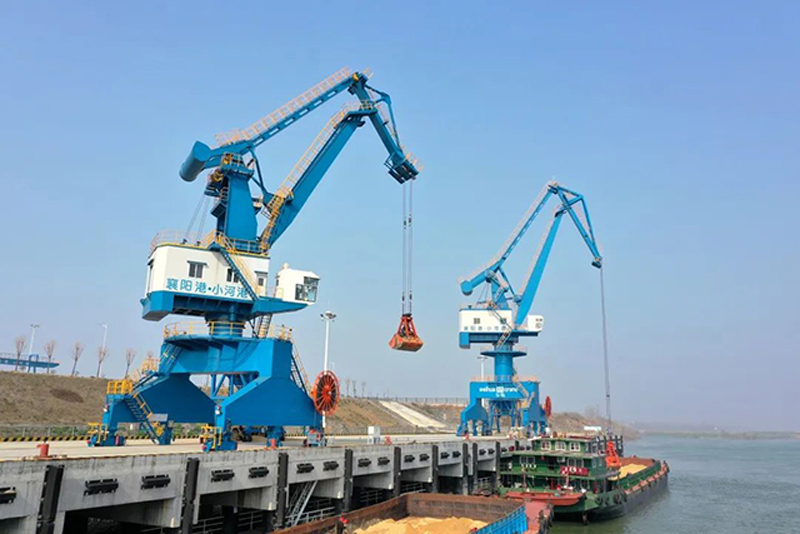
Anders als bei Portalkranen (die sich mit einem geraden Träger horizontal bewegen) und Containerbrücken, Das typischste Merkmal eines Portalkrans ist sein drehbarer Auslegermechanismus. Seine obere Hebestruktur ist drehbar 360 Grad frei, Passend zu den Be- und Entladeanforderungen angedockter Schiffe. Es wird hauptsächlich zum Heben von Massengütern eingesetzt, allgemeine Lebensmittel, und kleine Container zwischen Schiffen und Landterminals, und ist der klassischste und am weitesten verbreitete Kran in Binnen- und Küstenhäfen.
Der Gesamtaufbau eines Portalkrans gliedert sich in ein unteres Portalfahrwerk und ein oberes rotierendes Hubwerk. Jede Kernkomponente übernimmt unabhängige und gemeinschaftliche Arbeit, um einen effizienten und sicheren Frachtumschlag zu gewährleisten:
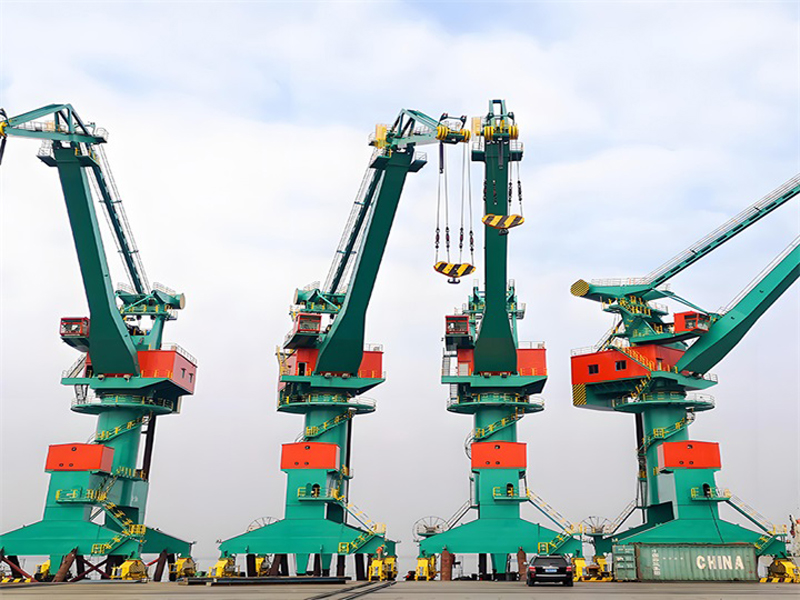
Portalkräne basieren auf drei zentralen kollaborativen Aktionen, um das Laden und Entladen von Fracht an Land durchzuführen, mit einem äußerst ausgereiften und effizienten Arbeitsablauf. Erste, abhängig von der Liegeposition des Schiffes und der Ladungsverteilung, Der Kran fährt entlang der Dockschienen, um die optimale Arbeitsposition festzulegen. Zweite, Die obere Plattform dreht sich und der Ausleger wippt, um den Arbeitsradius anzupassen, Richten des Hebehakens auf die Zielladung auf dem Schiff.
Endlich, Das Hebesystem hebt die Ladung stabil an, und die Dreh- und Wippstrukturen wirken zusammen, um die Ladung vom Schiffsdeck zum Landtransportfahrzeug zu transportieren, oder komplette Rückladearbeiten. Die Kombination aus Gehen, Drehung, Durch Wippen und Heben kann der Portalkran fächerförmige und rechteckige Arbeitsbereiche entlang des Kais abdecken, passt sich perfekt an die unregelmäßige Ladungsverteilung angedockter Schiffe an.
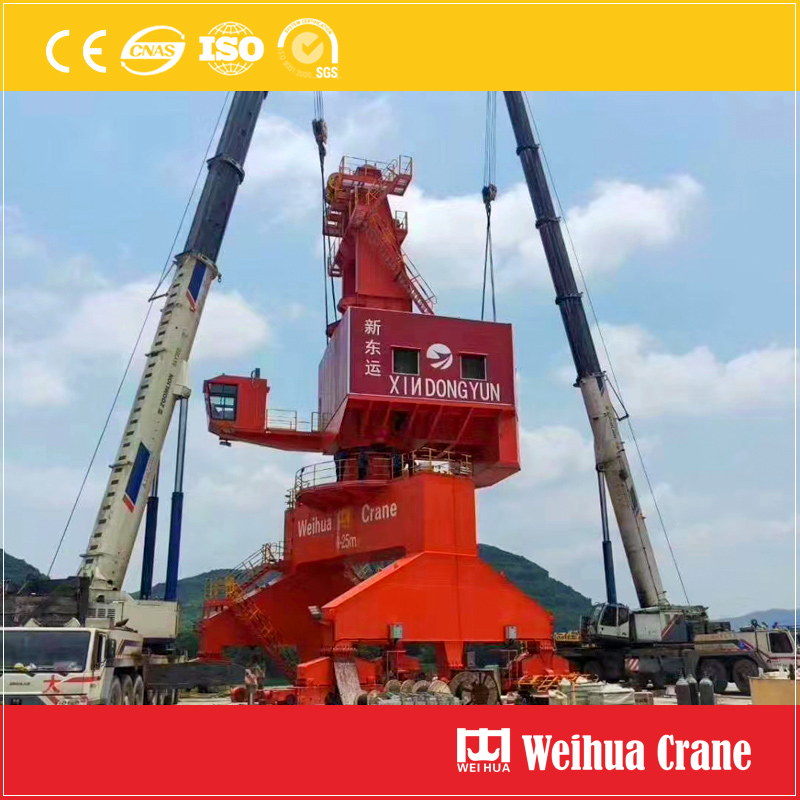
Portalkrane werden hauptsächlich nach Bauform und Arbeitsleistung klassifiziert, und die gängigsten Typen auf dem Markt sind wie folgt:
1. Feste Portalkrane
Dieser Krantyp wird ohne Fahrfunktion auf dem Dockfundament befestigt. Es hat eine einfache Struktur, niedrige Kosten und stabile Leistung, und eignet sich für kleine Festterminals, einzelne Frachtliegeplätze und Binnenfluss-Flachwasserdocks mit festen Arbeitsbereichen.
2. Mobile schienengebundene Portalkrane
Der am weitesten verbreitete Standard-Portalkran. Es kann sich frei entlang der Dockschienen bewegen, mit einem großen einstellbaren Arbeitsbereich und großer Flexibilität. Es eignet sich für mittlere und große Häfen mit häufigem Anlegen von Schiffen und unterschiedlichen Ladungsarten, und kann Massengut transportieren, Lebensmittel und Leichtcontainergüter effizient transportieren.
3. Einzelausleger & Doppelausleger-Portalkrane
Einarmige Portalkrane sind leicht und flexibel, Geeignet für den Güterumschlag kleiner Tonnagen. Doppelauslegermodelle haben eine höhere Hubeffizienz und eine größere Tragfähigkeit, wodurch ein abwechselnder Betrieb von Doppelhaken realisiert werden kann, und werden hauptsächlich für große Küstenhäfen mit hohem Frachtumschlag eingesetzt.
Als spezielle hafenspezifische Hebegeräte, Portalkrane sind in Anwendungsszenarien sehr zielgerichtet, Der Schwerpunkt liegt auf Schiffsabfertigungsvorgängen an der Küste:
Q1: Was ist der größte Unterschied zwischen einem Portalkran und einem Portalkran??
A1: Dies ist für die meisten Menschen der verwirrendste Punkt. Portalkrane sind Drehauslegerkrane für den Hafenumschlag von Schiffen an Land, mit 360° Dreh- und Wippfunktion, speziell für Hafenschiffladung. Portalkrane sind linear bewegliche Kräne mit geradem Träger, Wird hauptsächlich für Fabrikwerkstätten verwendet, Stapelung auf dem Hof und Umschlag von Binnengütern, ohne großflächige Rotationsfunktion. Ihre Arbeitsprinzipien, Strukturen und Anwendungsszenarien sind völlig unterschiedlich.
Q2: Was ist die übliche Hubkraft eines Portalkrans??
A2: Herkömmliche Portalkrane für den allgemeinen Hafeneinsatz haben eine Tragfähigkeit von 5 Tonnen zu 50 Tonnen, Dies erfüllt die Handhabungsanforderungen der meisten Massengüter und Lebensmittel. Maßgeschneiderte Modelle mit großer Tonnage für den schweren Hafenbetrieb können 80–100 Tonnen erreichen, Wird für superschwere Geräte und die Handhabung großer Stahlkomponenten verwendet.
Q3: Können Portalkräne im Innenbereich eingesetzt werden??
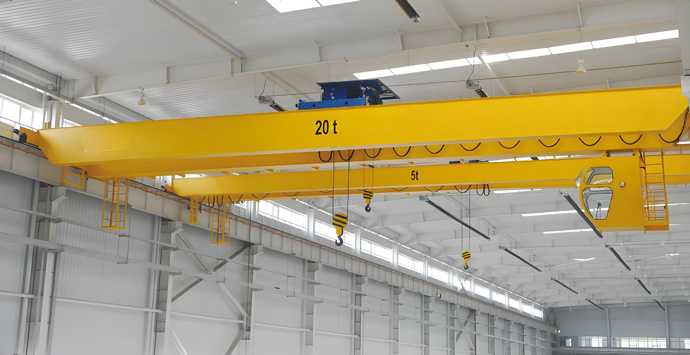
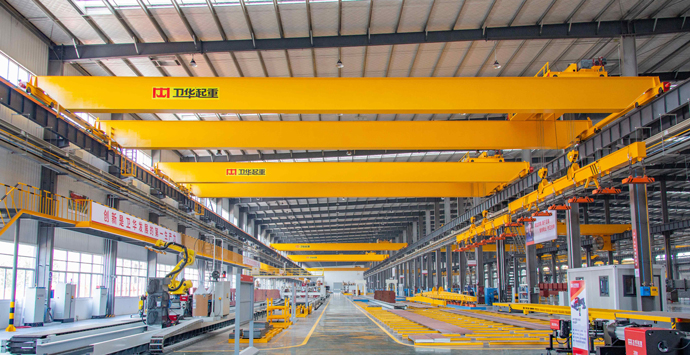
A3: Selten. Portalkräne sind großformatige professionelle Hafengeräte für den Außenbereich mit hohem Rumpf, Großer rotierender Arbeitsbereich und wind- und korrosionsbeständiges Konstruktionsdesign, das vollständig auf Open-Air-Dock-Umgebungen zugeschnitten ist. In Innenwerkstätten werden anstelle von Portalkranen meist Laufkräne und kleine Portalkräne eingesetzt.
Q4: Was sind die Haupteinschränkungen von Portalkranen??
A4: Portalkräne eignen sich nur für das Anlegen von Schiffen am Wasser und können nicht für die Stapelung großflächiger Häfen im Binnenland verwendet werden. Zusätzlich, Sie müssen bei extremen Wetterbedingungen wie starkem Wind über dem Niveau ihre Arbeit einstellen 6, Starker Regen und Taifune verhindern das Umkippen der Ausrüstung und Unfälle mit herunterfallender Ladung.
F5: So warten Sie einen Portalkran regelmäßig?
A5: Zur täglichen Wartung gehört die Überprüfung der Festigkeit der Stahldrähte, die Flexibilität der Rotations- und Wippmechanismen, und die Empfindlichkeit von Sicherheitsgrenzgeräten. Damit die Stahlkonstruktion der Meerwassererosion standhält, ist eine regelmäßige Korrosionsschutzbehandlung erforderlich. Eine professionelle Gesamtinspektion und Schmierung der Getriebeteile muss jedes Jahr durchgeführt werden 6 Monate, um einen stabilen Betrieb zu gewährleisten.
F6: Warum Portalkrane trotz Containerkranen immer noch weit verbreitet sind?
A6: Containerkräne sind nur für den Standard-Containerumschlag geeignet, während Portalkrane eine größere Vielseitigkeit aufweisen. Sie können Massengut transportieren, Lebensmittel, Stahl und Sonderformgüter, an die sich Containerkräne nicht anpassen können, und sind die wesentliche Kernausrüstung für Stückguthäfen und Binnenflussterminals.
Als professionelle und klassische Hafenmaschinerie, Portalkräne nehmen im Güterumschlag am Wasser eine unersetzliche Stellung ein. Seine einzigartige rotierende Wippstruktur und der Arbeitsmodus zur Anpassung an das Schiffsufer machen es zur bevorzugten Ausrüstung für den Massen- und Stückguttransport in verschiedenen Häfen auf der ganzen Welt. Das Verständnis seiner strukturellen Merkmale und Anwendungsszenarien kann uns helfen, die effiziente Betriebslogik moderner Hafenlogistiksysteme besser zu erkennen.
Wir schätzen Ihr Feedback! Bitte füllen Sie das folgende Formular aus, damit wir unsere Dienste auf Ihre spezifischen Anforderungen anpassen können.


Klicken Sie auf die Schaltfläche, um Produktinformationen und Angebote auf WhatsApp zu erhalten.
Holen Sie sich Zitat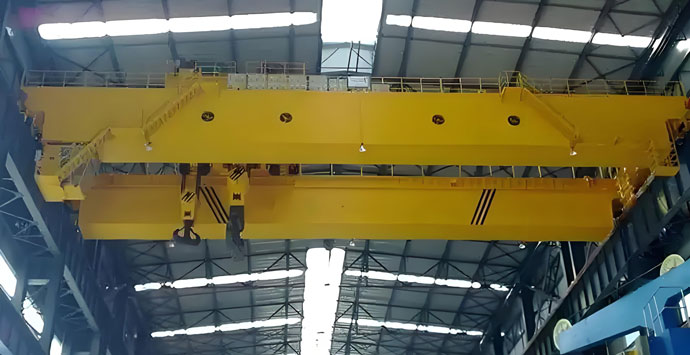
Neueste Kommentare