Analyse und Lösungen für die Ursachen des Schienenfressens durch Laufkräne
2025-12-10
Laufkrane sind unverzichtbare Arbeitstiere in Produktionsanlagen, Lagerhäuser, und Baustellen, Ermöglicht eine effiziente Materialhandhabung auf großen Flächen. Jedoch, Ein hartnäckiges und kostspieliges Problem, das Kranführer und Wartungsteams plagt, ist das Anfressen der Schienen – der ungewöhnliche Verschleiß, Kratzen, oder Erosion der Kranschienen durch unsachgemäßen Kontakt zwischen den Rädern des Krans und der Schienenoberfläche. Unadressiert gelassen, Schienennagen verkürzt nicht nur die Lebensdauer von Schienen und Rädern, sondern birgt auch Sicherheitsrisiken, einschließlich Entgleisung, Strukturschäden, und Betriebsausfallzeiten. In diesem Blog, Wir werden uns mit den Hauptursachen für das Knabbern von Schienen befassen und praktische Lösungen zur Minderung dieses Problems aufzeigen.
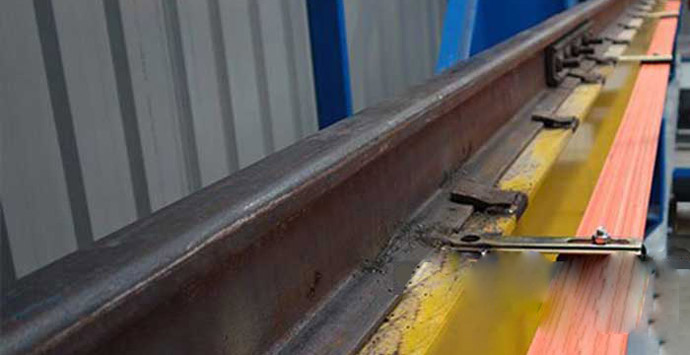
Verständnis des Schienennagens durch einen Laufkran: Schlüsselsymptome
Bevor die Ursachen erforscht werden, Es ist wichtig, die Anzeichen von Schienenfraß durch einen Laufkran zu erkennen. Zu den üblichen Indikatoren gehören::
- 1. Sichtbare Abnutzung am Schienenkopf (unebene Oberflächen, Rillen, oder abplatzen)
- 2. Kratzer oder Vertiefungen an den Seitenkanten der Schiene
- 3. Übermäßiger Lärm (Quietschen, Schleifen) während der Kranbewegung
- 4. Ungleichmäßiger Radverschleiß (Z.B., konische oder abgeflachte Radlaufflächen)
- 5. Fehlausrichtung der Kranbrücke relativ zu den Schienen
- 6. Erhöhter Stromverbrauch aufgrund der Reibung zwischen Rädern und Schienen
Diese Symptome weisen häufig auf zugrunde liegende Probleme hin, die eine systematische Untersuchung erfordern.
Hauptursachen für Schienenfraß durch Laufkrane

Schienennagen ist selten auf einen einzelnen Faktor zurückzuführen; Dies ist typischerweise eine Folge einer mechanischen Fehlausrichtung, Betriebsfehler, oder Umgebungsbedingungen. Nachfolgend sind die häufigsten Ursachen aufgeführt:
Mechanische Fehlausrichtung
Mechanische Fehlausrichtung ist die häufigste Ursache für das Knabbern der Laufkranschienen, Auswirkungen auf die Präzision des Rad-Schiene-Kontakts haben. Zu den wichtigsten Unterfaktoren gehören::
- 1. Fehlausrichtung der Brücke: Wenn die Kranbrücke (der horizontale Träger, der die beiden Endwagen verbindet) steht nicht senkrecht zu den Schienen, Die Räder üben seitlichen Druck auf die Schienenseiten aus. Dies ist häufig auf lockere Schrauben zurückzuführen, verschlissene Brückenverbindungen, oder unsachgemäße Installation.
- 2. Radfehlausrichtung: Räder, die nicht richtig ausgerichtet sind (Z.B., übermäßige Vorspur oder Nachspur) zwingen Sie die Radflansche dazu, an den Schienenkanten zu reiben. Diese Fehlausrichtung kann auf Herstellungsfehler zurückzuführen sein, unsachgemäße Wartung, oder mit der Zeit verschleißen.
- 3. Ungleichmäßige Schieneninstallation: Schienen, die nicht eben sind, parallel, oder eine ordnungsgemäße Verankerung kann dazu führen, dass der Kran während der Bewegung kippt oder sich verschiebt. Ungleiche Schienenhöhen oder -abstände führen zu einer ungleichmäßigen Lastverteilung, Dies führt zu einem konzentrierten Verschleiß an bestimmten Schienenabschnitten.
- 4. Abgenutzte Radlaufflächen oder Flansche: Im Laufe der Zeit, Radlaufflächen können abgeflacht werden, konisch, oder entkernt, während sich die Flansche abnutzen oder abgerundet werden können. Diese verschlissenen Komponenten stören den reibungslosen Kontakt mit der Schiene, zunehmende Reibung und Nagen.
Betriebsfaktoren
Menschliches Versagen und unsachgemäße Bedienung können das Schienenfressen verschlimmern, auch bei gut gewarteten Kränen:
- 1. Überlastung: Das Überschreiten der Nennkapazität des Krans führt zu einer übermäßigen Belastung der Räder und Schienen, Dies führt zu ungleichmäßigem Verschleiß und zunehmenden Seitenkräften.
- 2. Plötzliches Starten/Stoppen oder scharfe Kurven: Abrupte Beschleunigung, Verzögerung, oder drehen (für Wachkräne) erzeugt Trägheitskräfte, die die Räder gegen die Schienenseiten drücken. Dieser wiederholte Aufprall beschleunigt das Nagen.
- 3. Falsche Kranpositionierung: Der Betrieb des Krans mit einem Haken oder einer Last, die von der Mitte der Brücke versetzt ist, kann zu unausgeglichenen Lasten führen, Dies führt zu einer Fehlausrichtung und einem erhöhten Schienenkontaktdruck.
- 4. Warnzeichen ignorieren: Weiterbetrieb eines Krans mit sichtbaren Schienenverschleißspuren, Lärm, oder eine Fehlausrichtung lässt das Problem eskalieren, was zu größeren Schäden führt.
Umwelt- und Strukturfaktoren
Auch äußere Bedingungen und die Struktur der Anlage können dazu beitragen, dass Laufkranschienen durchnagen:
- 1. Kontamination: Staub, Trümmer, Öl, oder Feuchtigkeit auf der Schienenoberfläche verringert die Reibung zwischen Rädern und Schienen, wodurch die Räder durchrutschen oder ins Schleudern geraten. Dieses Rutschen erhöht die seitliche Bewegung und den Verschleiß.
- 2. Temperaturschwankungen: Extreme heiße oder kalte Temperaturen können dazu führen, dass sich Schienen ausdehnen oder zusammenziehen, was zu Fehlausrichtungen oder Lücken führt. Bei eisigen Bedingungen, Auch Eis auf den Schienen kann den Rad-Schiene-Kontakt stören.
- 3. Strukturelle Setzung: Im Laufe der Zeit, Das Fundament der Anlage kann sich ungleichmäßig setzen, Auswirkungen auf die Ausrichtung und Ebenheit der Schiene. Dies kommt besonders häufig in älteren Gebäuden oder Gebieten mit schlechter Bodenbeschaffenheit vor.
Praktische Lösungen zur Verhinderung und Eindämmung von Schienennagen
Die Bekämpfung des Schienennagens erfordert einen proaktiven Ansatz, Kombination aus regelmäßiger Wartung, ordnungsgemäße Bedienung, und strukturelle Anpassungen. Nachfolgend finden Sie umsetzbare Lösungen:
Führen Sie regelmäßige Inspektionen und Wartungsarbeiten durch
- 1. Bahninspektionen: Überprüfen Sie die Schienen wöchentlich auf Verschleiß, Fehlausrichtung, Kontamination, oder Beschädigung. Verwenden Sie Werkzeuge wie Lineale, Laser-Aligner, oder Ultraschallprüfgeräte zur Überprüfung der Schienenebene, Parallelität, und Dicke. Ersetzen Sie verschlissene oder beschädigte Schienen umgehend.
- 2. Radwartung: Überprüfen Sie die Räder monatlich auf Profilverschleiß, Flanschdicke, und Ausrichtung. Erneuern Sie abgenutzte Räder oder tauschen Sie sie aus, um einen ordnungsgemäßen Kontakt mit der Schiene sicherzustellen. Sorgen Sie für eine ordnungsgemäße Radschmierung, um die Reibung zu verringern.
- 3. Brücken- und End-Lkw-Kontrollen: Lose Schrauben festziehen, Überprüfen Sie die Brückenverbindungen, und sorgen für Endlastwagen (die Einheiten, in denen die Räder untergebracht sind) richtig ausgerichtet sind. Verschlissene Lager einstellen oder ersetzen, Getriebe, oder Achsen, die die Bewegungsgenauigkeit beeinträchtigen.
- 4. Schmierung: Tragen Sie geeignete Schmiermittel auf Schienenoberflächen und Radflansche auf, um die Reibung zu verringern. Verwenden Sie Trockenschmiermittel (Z.B., Graphit) in staubigen Umgebungen und ölbasierte Schmierstoffe in sauberen Umgebungen. Vermeiden Sie eine Überschmierung, die Schmutz anziehen können.
Verbessern Sie die betrieblichen Praktiken
- 1. Zugbetreiber: Bieten Sie Kranführern umfassende Schulungen zu den richtigen Handhabungstechniken an, einschließlich sanfter Starts/Stopps, Überlastung vermeiden, und Zentrierlasten. Betonen Sie, wie wichtig es ist, Warnzeichen zu melden (Lärm, tragen, Fehlausrichtung) sofort.
- 2. Legen Sie Betriebsgrenzen fest: Setzen Sie strenge Regeln gegen Überlastung und abrupte Bewegungen ein. Verwenden Sie Lastwächter und Antikollisionssysteme, um eine übermäßige Belastung des Krans und der Schienen zu verhindern.
- 3. Schienenoberflächen reinigen: Staub regelmäßig entfernen, Trümmer, Öl, oder Eis von Schienen mit Bürsten entfernen, Gebläse, oder Enteisungsmittel (bei kaltem Wetter). Halten Sie den Bereich um die Schienen sauber, um Verunreinigungen zu minimieren.
Korrigieren Sie Struktur- und Installationsprobleme
- 1. Schienen neu ausrichten: Wenn die Schienen falsch ausgerichtet oder uneben sind, Beauftragen Sie professionelle Techniker mit der Neuausrichtung, Ebene, oder sie neu verankern. Stellen Sie sicher, dass die Schienen gemäß den Spezifikationen des Krans parallel und im richtigen Abstand angeordnet sind.
- 2. Adresse Stiftungssiedlung: Wenn strukturelle Setzungen zu einer Schienenfehlausrichtung führen, Konsultieren Sie einen Statiker, um das Fundament zu beurteilen und zu reparieren. Dies kann eine Verstärkung des Fundaments oder eine Anpassung der Schienenstützen umfassen.
- 3. Upgrade-Komponenten: Für ältere Kräne, Erwägen Sie die Umrüstung auf hochwertige Räder und Schienen aus verschleißfesten Materialien (Z.B., gehärteter Stahl). Diese Komponenten haben eine längere Lebensdauer und eine bessere Widerstandsfähigkeit gegen Nagen.
Implementieren Sie Überwachungssysteme
- 1. Vibrationssensoren installieren, Wägezellen, oder Laserausrichtungswerkzeuge zur Überwachung der Kranleistung in Echtzeit. Diese Systeme können Fehlausrichtungen erkennen, Überlastung, oder abnormaler Verschleiß frühzeitig, um rechtzeitige Interventionen zu ermöglichen.
- 2. Führen Sie detaillierte Wartungsaufzeichnungen, um Schienen- und Radverschleißmuster zu verfolgen. Diese Daten können dabei helfen, wiederkehrende Probleme zu erkennen und Wartungspläne zu optimieren.
Abschluss
Schienennagen ist ein kostspieliges und potenziell gefährliches Problem Laufkran Operationen, aber es ist nicht unvermeidlich. Indem wir die Grundursachen verstehen – mechanische Fehlausrichtung, Betriebsfehler, und Umweltfaktoren – und die Umsetzung proaktiver Lösungen wie regelmäßige Wartung, ordnungsgemäße Bedienerschulung, und strukturelle Anpassungen, Sie können den Schienenverschleiß deutlich reduzieren, verlängern die Lebensdauer der Ausrüstung, und sorgen für Sicherheit, effizienter Kranbetrieb. Erinnern, Vorbeugung ist immer kostengünstiger als Reparatur. Investieren Sie in regelmäßige Inspektionen und entfernen Sie Warnschilder umgehend, damit Ihre Laufkräne auch in den kommenden Jahren reibungslos funktionieren.
Mit PDF teilen:




Neueste Kommentare