
Navigační menu

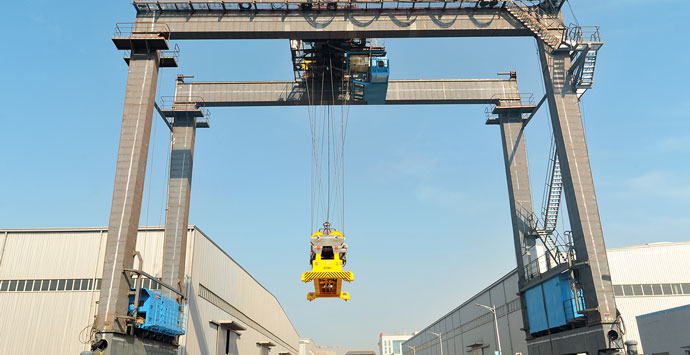
A portálový jeřáb (také známý jako přístavní portálový jeřáb) je namontovaný na kolejnici, celokruhový otočný jeřáb určený výhradně pro přístavní a nábřežní operace. Vyznačuje se prominentní portálovou základnou (čtyřnohý portálový rám) který se klene nad pobřežními železničními tratěmi nebo průjezdy nákladních vozidel, umožňující pozemní dopravní prostředky projíždět přímo pod jeřábem bez překážek.
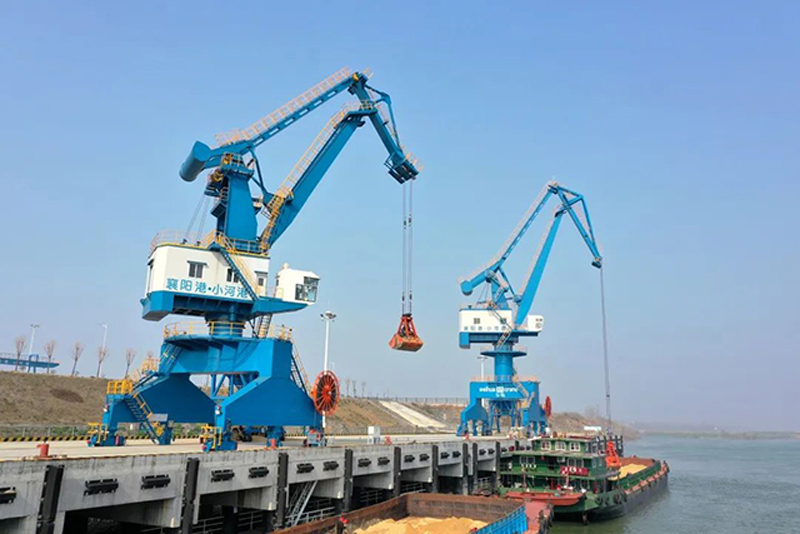
Na rozdíl od portálových jeřábů (které se vodorovně pohybují s přímým nosníkem) a kontejnerové portálové jeřáby, nejtypičtějším znakem portálového jeřábu je jeho rotační výložníkový mechanismus. Jeho horní zvedací konstrukce se může otáčet 360 stupně volně, odpovídající potřebám nakládky a vykládky ukotvených lodí. Používá se hlavně pro zvedání sypkého nákladu, obecné potraviny, a malé kontejnery mezi loděmi a pobřežními terminály, a je nejklasičtějším a nejrozšířenějším jeřábem ve vnitrozemských a pobřežních přístavech.
Kompletní konstrukce portálového jeřábu je rozdělena na spodní portálový pojezdový mechanismus a horní otočný zvedací mechanismus. Každá základní součást provádí nezávislou a společnou práci, aby byla zajištěna efektivní a bezpečná manipulace s nákladem:
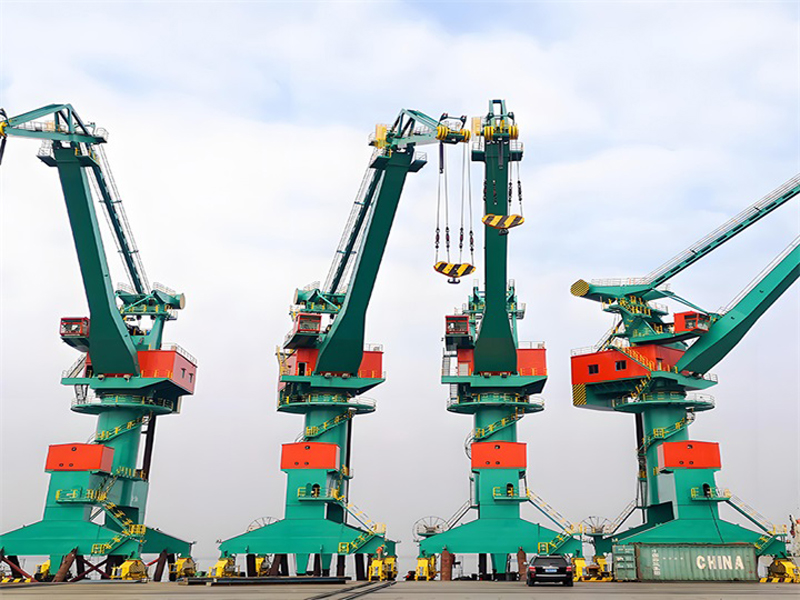
Portálové jeřáby spoléhají na tři základní společné akce k dokončení nakládky a vykládky lodního nákladu, s vysoce vyspělým a efektivním pracovním tokem. První, podle polohy kotviště lodi a rozložení nákladu, jeřáb se pohybuje po nakládacích kolejnicích, aby zajistil optimální pracovní polohu. Druhý, horní plošina se otáčí a výložník se vyrovná, aby se nastavil pracovní poloměr, zamíření zvedacího háku na cílový náklad na lodi.
Konečně, zdvihací systém zvedá náklad stabilně, a rotační a vyčesávací konstrukce spolupracují na přemístění nákladu z paluby lodi na pobřežní dopravní prostředek, nebo dokončit práci se zpětným nakládáním. Kombinace chůze, otáčení, vylamování a zvedání umožňuje portálovému jeřábu pokrýt vějířovité a obdélníkové pracovní plochy podél přístaviště, dokonale se přizpůsobí nepravidelnému rozložení nákladu ukotvených lodí.
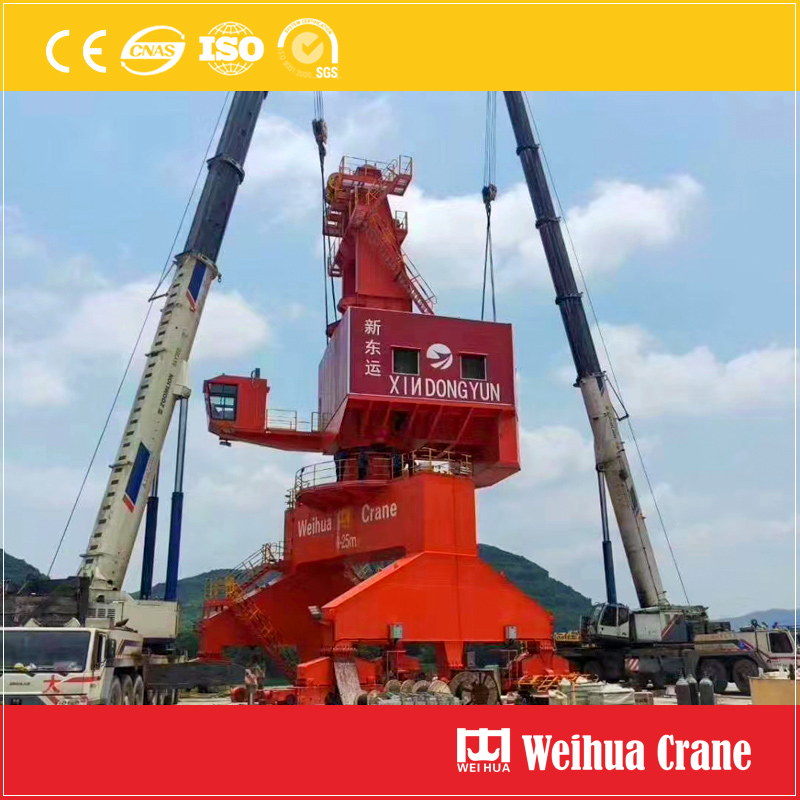
Portálové jeřáby jsou klasifikovány hlavně podle konstrukční formy a pracovního výkonu, a hlavní typy na trhu jsou následující:
1. Pevné portálové jeřáby
Tento typ jeřábu je upevněn na základu doku bez funkce pojezdu. Má jednoduchou strukturu, nízká cena a stabilní výkon, a je vhodný pro malé pevné terminály, jednotlivá nákladní kotviště a vnitrozemské říční doky s mělkou vodou s pevnými pracovními dosahy.
2. Mobilní kolejové portálové jeřáby
Nejpoužívanější standardní portálový jeřáb. Může se volně pohybovat po dokovacích kolejnicích, s velkým nastavitelným pracovním rozsahem a silnou flexibilitou. Je vhodný pro střední a velké přístavy s častým kotvením lodí a různými typy nákladu, a zvládne přepravu hromadného nákladu, potraviny a lehké kontejnerové zboží efektivně.
3. Single-Jib & Dvouramenné portálové jeřáby
Jednoramenné portálové jeřáby jsou lehké a flexibilní, vhodné pro manipulaci s malotonážním nákladem. Modely s dvojitým výložníkem mají vyšší účinnost zdvihu a větší nosnost, který může realizovat střídavý provoz dvojitých háčků, a většinou se používají pro velké pobřežní přístavy s vysokou propustností nákladu.
Jako speciální přístavní zvedací zařízení, portálové jeřáby jsou vysoce cílené v aplikačních scénářích, se zaměřením na manipulační operace na nábřeží lodi a pobřeží:
Q1: Jaký je největší rozdíl mezi portálovým jeřábem a portálovým jeřábem?
A1: To je pro většinu lidí nejvíce matoucí bod. Portálové jeřáby jsou otočné výložníkové jeřáby pro manipulaci na přístavních lodích, s funkcí otáčení o 360° a vylamování, speciálně pro náklad doků. Portálové jeřáby jsou lineárně pohyblivé jeřáby s přímým nosníkem, používá se hlavně pro tovární dílny, stohování na dvoře a manipulace s nákladem ve vnitrozemí, bez funkce rotace velkého rozsahu. Jejich principy práce, struktury a aplikační scénáře jsou zcela odlišné.
Q2: Jaká je obvyklá nosnost portálového jeřábu?
A2: Konvenční portálové jeřáby pro obecné použití v přístavech mají nosnost 5 tun až 50 tuny, který splňuje manipulační potřeby většiny sypkých nákladů a potravin. Přizpůsobené velkotonážní modely pro těžké přístavní operace mohou dosáhnout 80–100 tun, používá se pro supertěžká zařízení a manipulaci s velkými ocelovými součástmi.
Q3: Lze portálové jeřáby používat v interiéru?
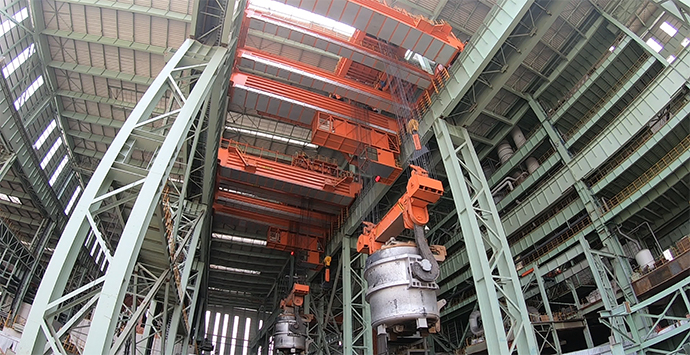
A3: Zřídka. Portálové jeřáby jsou velké venkovní profesionální přístavní zařízení s vysokým trupem, velký rotační pracovní rozsah a konstrukce odolná proti větru a korozi, který je zcela přizpůsoben pro prostředí doků pod širým nebem. Halové dílny většinou používají mostové jeřáby a malé portálové jeřáby místo portálových jeřábů.
Q4: Jaká jsou hlavní pracovní omezení portálových jeřábů?
A4: Portálové jeřáby jsou vhodné pouze pro scénáře kotvení lodí na nábřeží a nelze je použít pro vnitrozemské velkoplošné stohování. Navíc, musí přestat pracovat v extrémním počasí, jako je silný vítr nad úrovní hladiny 6, silný déšť a tajfuny, aby se zabránilo nehodám naklánění zařízení a pádu nákladu.
Q5: Jak pravidelně udržovat portálový jeřáb?
A5: Každodenní údržba zahrnuje kontrolu těsnosti ocelových drátů, flexibilita mechanismů otáčení a vylamování, a citlivost bezpečnostních omezovacích zařízení. Aby ocelová konstrukce odolávala erozi mořské vody, je vyžadována pravidelná antikorozní úprava. Odborná celková kontrola a mazání částí převodovky musí být prováděny vždy 6 měsíců, aby byl zajištěn stabilní provoz.
Q6: Proč jsou portálové jeřáby stále široce používány i přes kontejnerové jeřáby?
A6: Kontejnerové jeřáby jsou vhodné pouze pro standardní manipulaci s kontejnery, zatímco portálové jeřáby mají větší univerzálnost. Mohou manipulovat s hromadným nákladem, potraviny, ocel a zboží speciálního tvaru, kterému se kontejnerové jeřáby nemohou přizpůsobit, a jsou základním základním vybavením pro smíšené nákladní přístavy a vnitrozemské říční terminály.
Jako profesionální a klasický přístavní stroj, portálové jeřáby zaujímají nezastupitelnou pozici při manipulaci s nákladem na nábřeží. Jeho jedinečná rotační vylamovací struktura a pracovní režim přizpůsobení lodnímu pobřeží z něj činí preferované zařízení pro přepravu hromadného a běžného nákladu v různých přístavech po celém světě.. Pochopení jeho strukturálních charakteristik a aplikačních scénářů nám může pomoci lépe rozpoznat efektivní provozní logiku moderních přístavních logistických systémů.
Vážíme si vaší zpětné vazby! Vyplňte prosím níže uvedený formulář, abychom mohli přizpůsobit naše služby vašim konkrétním potřebám.


Kliknutím na tlačítko získáte informace o produktu a nabídky na WhatsApp.
Získejte citát
Nejnovější komentáře