
Navigační menu

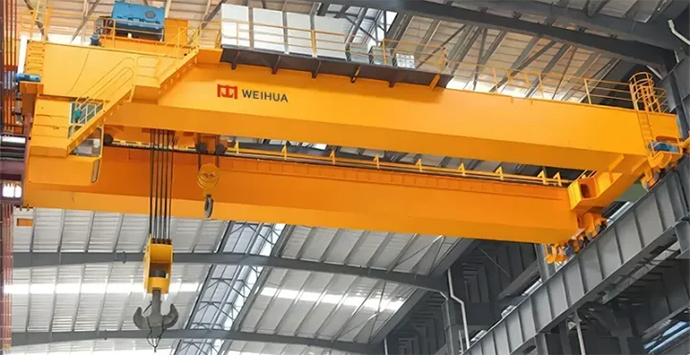
Třída ochrany metalurgických jeřábů je standardizovaný systém třídění, který definuje schopnost zařízení odolávat vnějšímu rušení okolního prostředí., včetně vnikání prachu, pronikání vody, vysokoteplotní záření, koroze, a mechanickému poškození. It mainly covers two core grading dimensions in industrial applications: IP protection rating for electrical and mechanical components and working duty protection class (Pracovní úroveň FEM/ISO) pro celkovou bezpečnost konstrukce jeřábu.
IP (Ochrana proti vniknutí) rating is the most intuitive protection standard for metallurgical crane motors, elektrické řídicí systémy, kabely, a provozních mechanismů. Obyčejný mostové jeřáby obvykle přijímají krytí IP44, while metallurgical cranes must use enhanced IP grades to adapt to high-temperature and dusty environments.
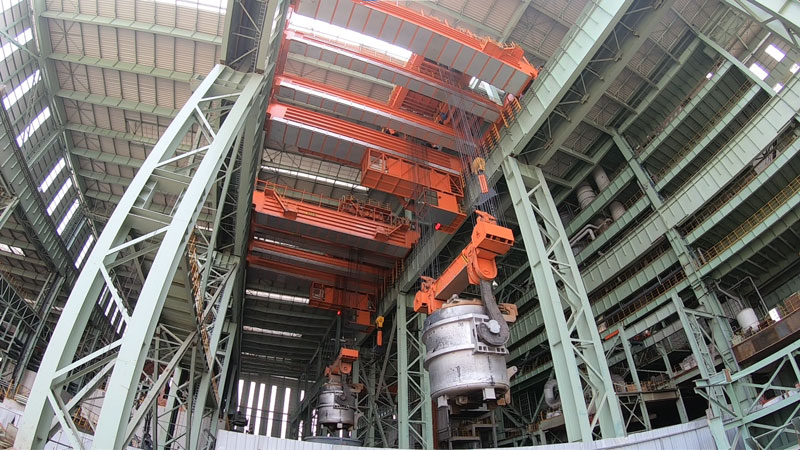
IP54: The basic mandatory protection grade for conventional metallurgical cranes. It effectively prevents large-area dust accumulation and splashing water from all directions, protecting core electrical components from daily industrial environmental damage. Most standard metallurgical overhead cranes for conventional smelting workshops adopt this grade, matched with H-class high-temperature insulated cables to resist heat aging.
IP55: The upgraded protection grade for medium-duty metallurgical equipment. It provides tighter dust prevention and resistance to low-pressure water jet flushing, suitable for workshops with severe dust and frequent equipment cleaning. It is widely used in scrap charging cranes and steel rolling workshop cranes.
IP65: The highest-level dustproof and waterproof grade for heavy-duty metallurgical cranes. It achieves full dust tightness and strong water jet resistance, specially designed for extreme working scenarios such as pánvové jeřáby and casting cranes with ultra-high temperature radiation and severe flue gas pollution.
Kromě klasifikace IP, all electrical equipment of metallurgical cranes supports high-temperature protection. Motory, ovládací skříně, a senzory používají izolační materiály třídy H, which can stably operate in long-term high-temperature environments without insulation breakdown or short circuit. This supporting configuration is an indispensable part of the metallurgical crane protection system beyond standard IP ratings.
Na rozdíl od běžných jeřábů, the protection capability of metallurgical cranes is also reflected in the working level (třída ochrany pracovního cyklu), který je klasifikován jako A6, A7, and A8 according to FEM and ISO industrial crane standards. This grade defines the structural safety and fatigue resistance of the crane under long-term high-frequency heavy-load operation, serving as the core structural protection standard for metallurgical cranes.
Based on standard IP and working level protection classes, profesionální hutní jeřáby jsou vybaveny exkluzivními cílenými ochrannými konstrukcemi, které zvládají extrémní hutnické pracovní podmínky, forming a complete multi-dimensional protection system:
Hlavní nosník, koncový nosník, and trolley bottom of metallurgical cranes are fitted with special heat radiation protection plates and heat insulation layers, které účinně izolují vysokoteplotní tepelné záření od roztaveného kovu a zabraňují deformaci konstrukční oceli a stárnutí součástí způsobenému dlouhodobým vypalováním. Kabina řidiče je také vybavena integrovanou tepelnou izolací a zařízeními pro odvod tepla pro zajištění stabilního provozu operátorů a vnitřního vybavení.
Different from the single brake system of ordinary cranes, metallurgical cranes adopt dual or triple brake systems for the hoisting mechanism, including primary electromagnetic brakes and independent secondary mechanical safety brakes. This redundant design ensures reliable braking even if a single brake fails, completely avoiding the risk of molten metal falling. Mezitím, jsou vybaveny ochranou proti přetížení, overspeed monitoring, zařízení proti vykolejení, and multi-stage limit switches to achieve full-process operational protection.
The steel wire ropes of metallurgical cranes adopt high-temperature resistant metal core structures, which can resist high-temperature baking and wear without brittle fracture. Key structural components are made of high-strength fatigue-resistant steel, with anti-corrosion and high-temperature oxidation treatment on the surface, adapting to long-term erosion by industrial flue gas and dust.
Many metallurgical enterprises ignore the matching of protection classes in equipment selection, resulting in frequent equipment failures and hidden safety hazards. Použití nízkokvalitních ochranných jeřábů ve vysokoteplotních a vysokofrekvenčních metalurgických scénářích povede k urychlenému stárnutí elektrických součástí, časté poruchy brzd, strukturální únavová deformace, a zkrácení životnosti zařízení. V těžkých případech, it will trigger molten metal leakage and falling accidents, způsobit obrovské personální a majetkové ztráty.
Naopak, přizpůsobení vhodného stupně ochrany IP a třídy pracovního zatížení podle skutečných pracovních podmínek může maximalizovat provozní stabilitu zařízení, snížit frekvenci údržby a náklady, prodloužit životnost, and ensure the continuous and safe operation of metallurgical production lines. Pro základní procesy, jako je zvedání roztavené oceli, A8 working level and IP65 high protection configuration are mandatory safety standards in the industry.
The protection class of metallurgical cranes is a comprehensive technical system covering electrical ingress protection, strukturální odolnost proti únavě, vysokoteplotní izolace, a redundanci mechanické bezpečnosti. It is the core technical symbol that distinguishes metallurgical cranes from ordinary industrial cranes. In modern metallurgical industrial production with increasingly strict safety standards, reasonably selecting cranes with matching protection classes, standardizing equipment operation and maintenance, is not only the basis for improving production efficiency but also the bottom line of ensuring workshop safety.
Pro ocelárny a podniky na zpracování kovů, prioritizing protection grade matching rather than simply pursuing low procurement costs is the key to long-term safe and stable production.
Vážíme si vaší zpětné vazby! Vyplňte prosím níže uvedený formulář, abychom mohli přizpůsobit naše služby vašim konkrétním potřebám.


Kliknutím na tlačítko získáte informace o produktu a nabídky na WhatsApp.
Získejte citát
Nejnovější komentáře